The Importance of Including a Tourniquet in Your First Aid Kit
When assembling a first aid kit, it’s essential to include a variety of supplies to address different types of injuries and emergencies. One crucial item that should not be overlooked is a tourniquet. While tourniquets are not commonly used in everyday first aid situations, they can be life-saving in certain emergencies, particularly in cases of severe bleeding.
What is a Tourniquet?
A tourniquet is a device used to apply pressure to a limb or extremity to stop severe bleeding. It is typically made of a band or strap that is tightened around the limb above the site of the injury. Tourniquets are designed to restrict blood flow to the affected area, preventing further blood loss until medical help arrives.
When to Use a Tourniquet
Tourniquets are primarily used in situations where direct pressure or other methods are ineffective in controlling severe bleeding. Common scenarios where a tourniquet may be necessary include:
- Severe cuts or lacerations
- Abrasions with significant bleeding
- Puncture wounds causing heavy bleeding
- Traumatic injuries with arterial bleeding
How to Use a Tourniquet
Proper application of a tourniquet is crucial to its effectiveness and the well-being of the injured individual. Follow these steps when using a tourniquet:
- Identify the source of severe bleeding.
- Place the tourniquet on the limb between the wound and the heart.
- Tighten the tourniquet until the bleeding stops.
- Safely secure the tourniquet in place.
- Note the time at which the tourniquet was applied for medical professionals.
The Role of Tourniquets in First Aid Kits
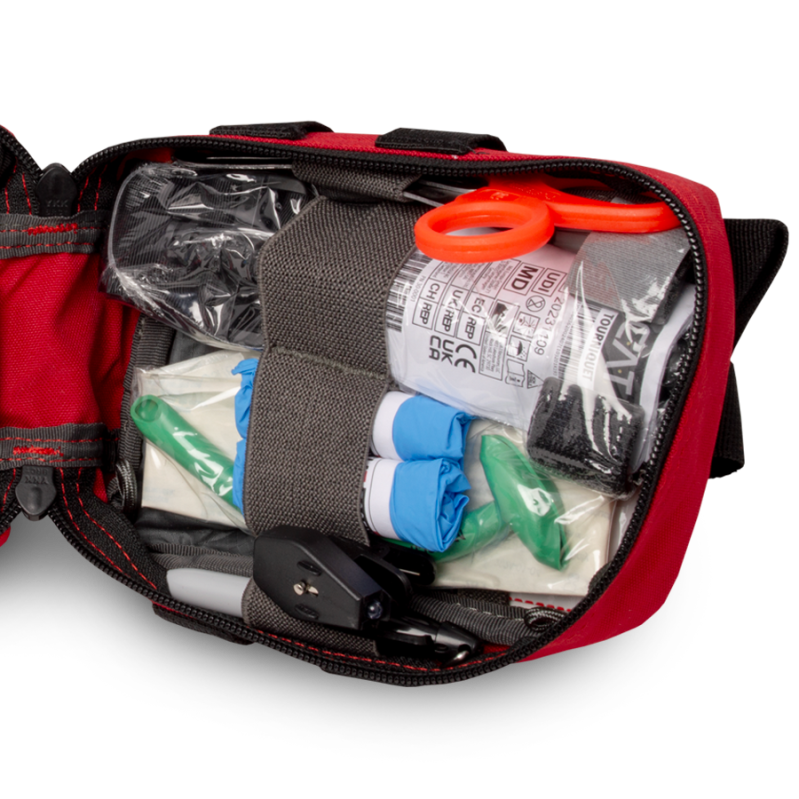
While tourniquets are not always needed in first aid situations, having one readily available can make a difference in emergencies where severe bleeding occurs. Including a tourniquet in your first aid kit ensures that you are prepared to handle critical situations and provide immediate assistance when necessary.
Remember, proper training and knowledge on using a tourniquet are essential. Seek guidance from healthcare professionals or attend first aid training courses to learn how to apply a tourniquet correctly and effectively.
In conclusion, adding a tourniquet to your first aid kit can enhance your preparedness for emergencies involving severe bleeding. Stay informed, stay prepared, and prioritize safety by including this vital tool in your collection of life-saving supplies.
9 Essential Benefits of a First Aid Kit with Tourniquet: Be Prepared for Emergencies
- Effective in controlling severe bleeding
- Can be life-saving in emergencies
- Provides immediate aid to individuals with traumatic injuries
- Essential for addressing arterial bleeding
- Compact and portable for easy storage and transport
- Increases preparedness for unforeseen accidents
- Versatile tool that complements other first aid supplies
- Simple to use with proper training and guidance
- Offers peace of mind knowing you can respond effectively to critical situations
4 Potential Drawbacks of Including a Tourniquet in Your First Aid Kit
- Improper use of a tourniquet can lead to tissue damage or nerve injury if applied incorrectly.
- Tourniquets may not be suitable for all types of injuries, and their misuse can worsen certain medical conditions.
- Carrying a tourniquet in a first aid kit requires proper training and knowledge on when and how to use it effectively.
- Some individuals may feel uncomfortable or hesitant about using a tourniquet due to concerns about potential risks or complications.
Effective in controlling severe bleeding
The inclusion of a tourniquet in a first aid kit proves highly advantageous as it is exceptionally effective in managing severe bleeding. In situations where standard methods may not suffice to stem heavy blood flow, a tourniquet can be promptly applied to restrict circulation and prevent further loss of blood. This quick and efficient response can be crucial in emergencies involving traumatic injuries or arterial bleeding, making the presence of a tourniquet a vital asset in ensuring prompt and effective first aid care for individuals facing severe bleeding incidents.
Can be life-saving in emergencies
Including a tourniquet in a first aid kit can be truly life-saving in emergencies where severe bleeding occurs. In critical situations such as traumatic injuries or accidents with significant blood loss, having a tourniquet readily available can help stop the bleeding and prevent further harm until professional medical assistance arrives. The quick and effective application of a tourniquet can make a crucial difference in saving lives and providing immediate aid to those in need during critical moments.
Provides immediate aid to individuals with traumatic injuries
Including a tourniquet in a first aid kit offers a significant advantage by providing immediate aid to individuals with traumatic injuries. In situations where severe bleeding poses a critical threat, having quick access to a tourniquet can help stop the bleeding promptly and potentially save lives. The ability to address such injuries swiftly and effectively underscores the importance of including a tourniquet in every first aid kit, ensuring that individuals can receive vital care when faced with emergencies requiring urgent intervention.
Essential for addressing arterial bleeding
Including a tourniquet in a first aid kit is essential for addressing arterial bleeding, as it provides a quick and effective way to stop severe blood loss in emergency situations. Arterial bleeding, which occurs when an artery is damaged, can lead to rapid and life-threatening blood loss if not promptly controlled. A tourniquet allows individuals to apply immediate pressure to the affected limb, restricting blood flow and preventing further injury until professional medical help can be sought. By having a tourniquet on hand, individuals can take swift action to address arterial bleeding and potentially save lives in critical circumstances.
Compact and portable for easy storage and transport
The compact and portable design of a first aid kit with a tourniquet offers the advantage of easy storage and transport, making it convenient for various settings and situations. Whether at home, in the car, or during outdoor activities, having a compact first aid kit with a tourniquet ensures that essential supplies are readily accessible in case of emergencies. Its portability enables individuals to carry it effortlessly, allowing for quick response to injuries and effective management of bleeding incidents wherever they may occur. The compact nature of such kits makes them versatile and practical for everyday use, emphasizing the importance of preparedness and safety in any environment.
Increases preparedness for unforeseen accidents
By including a tourniquet in a first aid kit, individuals can significantly enhance their preparedness for unforeseen accidents. Having this critical tool readily available ensures that individuals are equipped to address severe bleeding emergencies promptly and effectively. In the event of an accident or injury that results in heavy bleeding, having a tourniquet on hand can make a life-saving difference by allowing for immediate intervention and control of the situation until professional medical help arrives. This proactive approach to preparedness can provide peace of mind and confidence in one’s ability to respond swiftly and decisively in times of crisis.
Versatile tool that complements other first aid supplies
The inclusion of a tourniquet in a first aid kit enhances its versatility by complementing other essential supplies. While first aid kits typically contain items like bandages, antiseptic wipes, and gauze pads for treating minor injuries, having a tourniquet on hand expands the kit’s capabilities to address more severe emergencies involving heavy bleeding. The tourniquet serves as a crucial tool that can work in conjunction with existing supplies to provide comprehensive care in situations where immediate action is required to control bleeding and stabilize the injured individual until professional medical help arrives. Its versatility makes it a valuable addition to any well-equipped first aid kit.
Simple to use with proper training and guidance
The inclusion of a tourniquet in a first aid kit offers the advantage of being simple to use with proper training and guidance. When individuals receive adequate instruction on tourniquet application, they can effectively utilize this life-saving tool in emergency situations involving severe bleeding. The straightforward design and functionality of a tourniquet make it accessible for individuals with the necessary training to apply it correctly, emphasizing the importance of education and preparation in utilizing this critical component of a first aid kit.
Offers peace of mind knowing you can respond effectively to critical situations
Including a tourniquet in your first aid kit offers peace of mind, knowing that you are equipped to respond effectively to critical situations involving severe bleeding. In emergency scenarios where every second counts, having the ability to quickly and confidently address life-threatening injuries can make a significant difference in the outcome. By including a tourniquet in your first aid kit, you are not only prepared to provide immediate assistance but also empowered to take proactive steps to ensure the safety and well-being of those in need.
Improper use of a tourniquet can lead to tissue damage or nerve injury if applied incorrectly.
One significant con of including a tourniquet in a first aid kit is the risk of potential harm if it is not used correctly. Improper application of a tourniquet can result in tissue damage or nerve injury, especially if excessive pressure is applied or if it is placed incorrectly on the limb. This highlights the importance of proper training and understanding of tourniquet usage to prevent unintended complications when managing severe bleeding emergencies. Users must exercise caution and follow established guidelines to ensure the safe and effective application of a tourniquet in critical situations.
Tourniquets may not be suitable for all types of injuries, and their misuse can worsen certain medical conditions.
It is important to note that tourniquets may not be appropriate for all types of injuries, and their improper use can exacerbate certain medical conditions. While tourniquets are effective in controlling severe bleeding in specific situations, applying them incorrectly or unnecessarily can lead to complications such as tissue damage or nerve injury. It is crucial to assess the nature of the injury carefully and seek professional guidance when considering the use of a tourniquet to ensure that it is used appropriately and only when absolutely necessary.
Carrying a tourniquet in a first aid kit requires proper training and knowledge on when and how to use it effectively.
Carrying a tourniquet in a first aid kit presents a significant challenge as it necessitates proper training and expertise to utilize it correctly. Knowing when and how to apply a tourniquet effectively is crucial, as improper usage can lead to further harm or complications for the injured individual. Without adequate training, individuals may hesitate or misuse the tourniquet in critical situations, potentially worsening the injury instead of providing the intended aid. Therefore, the inclusion of a tourniquet in a first aid kit underscores the importance of acquiring the necessary skills and knowledge through proper education and training before attempting to use this specialized tool in emergency scenarios.
Some individuals may feel uncomfortable or hesitant about using a tourniquet due to concerns about potential risks or complications.
Some individuals may feel uncomfortable or hesitant about using a tourniquet in a first aid kit due to concerns about potential risks or complications. The use of a tourniquet requires proper knowledge and training to ensure it is applied correctly and effectively. Fear of causing further harm or improper application may lead to hesitation in utilizing this life-saving tool, highlighting the importance of education and awareness around tourniquet usage in emergency situations. Addressing these concerns through training and guidance can help individuals overcome their reservations and feel more confident in utilizing a tourniquet when necessary for controlling severe bleeding.