The Importance of First Aid Kits: A Comprehensive Guide
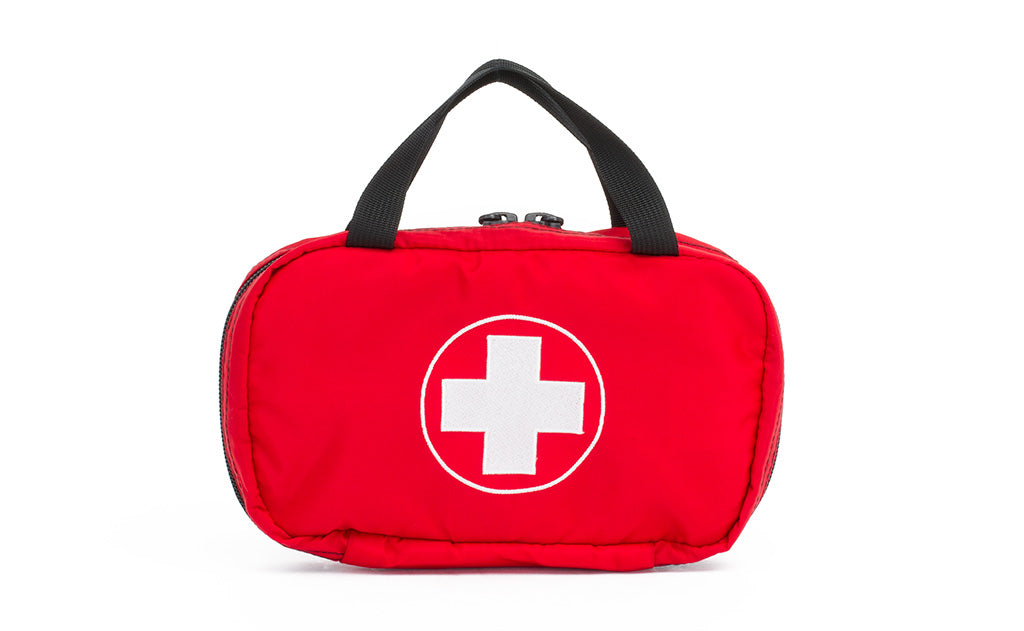
First aid kits are essential tools that can make a significant difference in emergency situations. Whether at home, in the workplace, or while traveling, having a well-equipped first aid kit can help you provide immediate care until professional help arrives. Here’s why first aid kits are crucial and what you should include in yours:
Why First Aid Kits Matter
Accidents and injuries can happen unexpectedly, and having a first aid kit on hand can be a lifesaver. Here are some key reasons why first aid kits are important:
- Rapid Response: With a first aid kit readily available, you can quickly address injuries and provide necessary care without delay.
- Prevent Further Injury: Immediate treatment with items from a first aid kit can prevent minor injuries from becoming more severe.
- Emergency Preparedness: Being prepared with a well-stocked first aid kit ensures you are ready to handle medical emergencies effectively.
- Promote Safety: Having access to essential medical supplies promotes safety in various environments, such as homes, schools, offices, and outdoor settings.
What to Include in Your First Aid Kit
A well-prepared first aid kit should contain essential items to address common injuries and emergencies. Here are some basic supplies to consider including in your first aid kit:
- Sterile adhesive bandages in assorted sizes
- Gauze pads and rolls
- Adhesive tape
- Tweezers and scissors
- Antiseptic wipes or solution
- Cotton balls and swabs
- Latex-free gloves
- Pain relievers (e.g., aspirin or ibuprofen)
- Instant cold packs
- Breathing barrier (CPR mask)
In Conclusion
Having a well-equipped first aid kit is an essential part of being prepared for emergencies. By ensuring your first aid kit is stocked with necessary supplies and regularly checking its contents for expiration dates, you can be ready to handle unexpected situations effectively. Remember, proper knowledge of how to use the items in your first aid kit is just as important as having them on hand.
Essential FAQs About First Aid Kits: What You Need to Know
- What should be included in a basic first aid kit?
- How often should I check and replenish my first aid kit?
- Where is the best place to store a first aid kit at home?
- Can I use expired items in a first aid kit during an emergency?
- What size of first aid kit do I need for my family or workplace?
- Are there different types of first aid kits for specific activities, like hiking or traveling?
- How can I learn to use the items in my first aid kit effectively?
What should be included in a basic first aid kit?
When assembling a basic first aid kit, it is essential to include key supplies to address common injuries and emergencies effectively. Some essential items to consider including are sterile adhesive bandages in various sizes, gauze pads and rolls for wound dressing, adhesive tape for securing bandages, tweezers and scissors for minor procedures, antiseptic wipes or solution to clean wounds, cotton balls and swabs for wound care, latex-free gloves for protection, pain relievers like aspirin or ibuprofen, instant cold packs for reducing swelling, and a breathing barrier such as a CPR mask. These items can help you provide immediate care in emergency situations until professional medical assistance is available.
How often should I check and replenish my first aid kit?
Regularly checking and replenishing your first aid kit is crucial to ensure its effectiveness in times of need. It is recommended to inspect your first aid kit at least every six months to verify that all supplies are up-to-date and in good condition. Additionally, it is important to check the expiration dates of medications and sterile items, replace any used or expired items promptly, and ensure that the contents are organized and easily accessible. By maintaining a well-maintained and stocked first aid kit, you can be better prepared to handle emergencies with confidence.
Where is the best place to store a first aid kit at home?
When considering the best place to store a first aid kit at home, it is essential to choose a location that is easily accessible in case of emergencies but also out of reach of children. A common recommendation is to keep the first aid kit in a central area of the house, such as the kitchen or a hallway closet, where it can be quickly retrieved when needed. Avoid storing the kit in areas prone to extreme temperatures or humidity, as this can affect the integrity of certain medical supplies. Remember to regularly check and replenish items in the first aid kit to ensure its readiness for any unexpected situations that may arise.
Can I use expired items in a first aid kit during an emergency?
When faced with an emergency situation, it may be tempting to use expired items from a first aid kit. However, it is generally not recommended to use expired medical supplies during emergencies. Expired items may have reduced effectiveness or potency, which could compromise the treatment outcome. It is crucial to regularly check and replace expired items in your first aid kit to ensure that you are prepared to provide effective care when needed. Prioritizing the use of unexpired supplies can help maintain the integrity and reliability of your first aid kit in emergency situations.
What size of first aid kit do I need for my family or workplace?
When determining the appropriate size of a first aid kit for your family or workplace, it is essential to consider the number of individuals who may need access to the kit and the specific risks associated with your environment. For a family, a medium-sized first aid kit with an assortment of bandages, gauze pads, antiseptic wipes, and basic medical supplies may be sufficient for common injuries. In a workplace setting, especially in high-risk industries or larger offices, a larger first aid kit equipped with additional items such as burn dressings, eyewash solution, and splints may be necessary to address a wider range of potential emergencies. It is recommended to assess your unique needs and consult with medical professionals to ensure you have an adequate first aid kit tailored to your family or workplace requirements.
Are there different types of first aid kits for specific activities, like hiking or traveling?
Yes, there are different types of first aid kits tailored for specific activities such as hiking or traveling. These specialized first aid kits are designed to address the potential risks and injuries associated with each activity. For example, a hiking first aid kit may include items like blister pads, insect bite relief, and a splint for potential fractures, while a travel first aid kit may focus on items like motion sickness medication, diarrhea relief tablets, and international emergency contact information. Having a customized first aid kit for the specific activity you are engaging in can ensure you are prepared to handle any medical emergencies that may arise.
How can I learn to use the items in my first aid kit effectively?
Learning to use the items in your first aid kit effectively is crucial for providing timely and appropriate care in emergency situations. To enhance your knowledge and skills, consider taking a certified first aid training course. These courses cover essential topics such as wound care, CPR, and using medical supplies correctly. Additionally, familiarize yourself with the contents of your first aid kit by reading the instructions provided with each item and practicing their use in a safe environment. Regularly reviewing and refreshing your first aid skills will help you feel more confident and prepared to respond effectively during emergencies.