The Importance of First Aid Supplies: Be Prepared for Emergencies
In any emergency situation, having the right first aid supplies can make a significant difference in providing immediate care and potentially saving lives. Whether you are at home, on the road, or out in nature, being prepared with essential first aid supplies is crucial for responding effectively to injuries and medical emergencies.
Key First Aid Supplies to Have On Hand
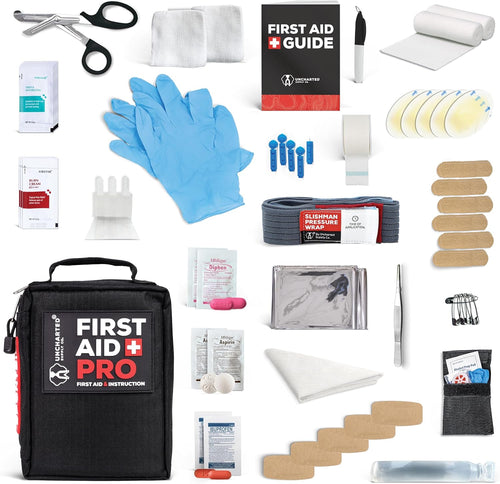
Here are some essential first aid supplies that everyone should have readily available:
- Bandages: Various sizes of adhesive bandages for covering minor cuts and scrapes.
- Gauze pads: Sterile gauze pads to dress larger wounds and control bleeding.
- Adhesive tape: Medical tape to secure dressings and bandages in place.
- Antiseptic wipes: Alcohol-based wipes for cleaning wounds and preventing infection.
- Tweezers: To remove splinters, ticks, or debris from skin.
- Scissors: Medical scissors for cutting bandages and clothing if necessary.
- Latex gloves: Disposable gloves to protect both the caregiver and the injured person from contamination.
- Cold pack: Instant cold packs to reduce swelling and relieve pain from sprains or bruises.
- CPR mask: A barrier device used during cardiopulmonary resuscitation (CPR) to protect both the rescuer and the victim.
The Importance of Regularly Checking and Restocking First Aid Supplies
To ensure that your first aid kit is always ready for use, it is essential to regularly check its contents and restock any items that have been used or expired. Keep an eye on expiration dates for medications, ointments, and other perishable items in your kit. Additionally, consider updating your kit based on changes in your family’s needs or activities. For example, if you have a new pet at home, you may want to include items like pet-specific bandages or medications in your first aid kit.
In Conclusion
Having well-stocked first aid supplies is a simple yet crucial step in being prepared for emergencies. Whether you are dealing with minor cuts at home or responding to a more serious injury while hiking or camping, having the right supplies can make all the difference in providing timely care and ensuring positive outcomes. Take the time to assemble a comprehensive first aid kit tailored to your needs, regularly check its contents, and stay informed on how to use each item effectively. Being prepared can give you peace of mind knowing that you are ready to handle unexpected situations with confidence.
Essential FAQs About First Aid Supplies: Stocking, Maintaining, and Using Your Kit Effectively
- What should be included in a basic first aid kit?
- How often should I check and restock my first aid supplies?
- Are there different types of bandages for specific injuries?
- Do I need to include medications in my first aid kit?
- How do I properly clean and disinfect first aid supplies?
- Can I customize my first aid kit based on specific needs or activities?
- What is the shelf life of common first aid supplies like adhesive bandages and antiseptic wipes?
- Are there any special considerations for storing first aid supplies in extreme temperatures?
- Where can I receive training on how to use various first aid supplies effectively?
What should be included in a basic first aid kit?
A basic first aid kit should include essential supplies that can address common injuries and medical emergencies. Some key items to include in a basic first aid kit are adhesive bandages in various sizes, sterile gauze pads, adhesive tape, antiseptic wipes, tweezers, scissors, latex gloves, instant cold packs, and a CPR mask. These supplies are crucial for treating minor cuts, scrapes, burns, sprains, and other injuries that may occur in daily life. It is important to regularly check and restock your first aid kit to ensure that it is always prepared to provide immediate care when needed.
How often should I check and restock my first aid supplies?
It is recommended to check and restock your first aid supplies at least every six months to ensure that your kit is up-to-date and ready for use in case of emergencies. Regularly checking the contents of your first aid kit allows you to replace any expired items, replenish supplies that have been used, and make adjustments based on changes in your family’s needs or activities. By maintaining a well-stocked and updated first aid kit, you can ensure that you are prepared to provide timely care and assistance when unexpected situations arise.
Are there different types of bandages for specific injuries?
Yes, there are different types of bandages designed for specific injuries to provide the most effective care and support. For example, adhesive bandages are commonly used for minor cuts and scrapes, while elastic bandages are ideal for providing compression and support for sprains or strains. Gauze bandages are often used to dress larger wounds and control bleeding, offering better absorption and protection. Additionally, there are specialized bandages such as butterfly closures for holding wound edges together or fingertip bandages designed to fit securely around fingers. Choosing the right type of bandage based on the injury can help promote proper healing and prevent complications.
Do I need to include medications in my first aid kit?
Including medications in your first aid kit can be beneficial, depending on your specific needs and medical conditions. Certain medications, such as pain relievers, antihistamines, or prescription medications for chronic conditions, can be essential in managing symptoms or providing relief during emergencies. However, it is important to consult with a healthcare professional to determine which medications are suitable for inclusion in your first aid kit and to ensure that they are stored properly and replaced before their expiration dates. Additionally, consider any potential allergies or adverse reactions to medications when deciding what to include in your kit.
How do I properly clean and disinfect first aid supplies?
Properly cleaning and disinfecting first aid supplies is essential to maintain their effectiveness and prevent the spread of infections. To clean supplies such as bandages, gauze pads, and scissors, start by removing any visible dirt or debris. Wash reusable items with soap and warm water, then rinse thoroughly. For disinfection, you can use alcohol-based wipes or a solution of water and bleach (1 tablespoon of bleach per gallon of water) for non-porous items. Allow the supplies to air dry completely before storing them back in your first aid kit. Remember to regularly check and replace any expired or soiled supplies to ensure your kit is always ready for use in emergencies.
Can I customize my first aid kit based on specific needs or activities?
Yes, you can customize your first aid kit based on specific needs or activities to ensure that you are adequately prepared for any potential emergencies. Tailoring your first aid supplies to match the activities you engage in or the unique needs of your family can enhance the effectiveness of your kit. For example, if you have allergies, including antihistamines in your kit may be essential. Similarly, if you enjoy outdoor adventures like hiking or camping, adding items such as blister pads or insect bite relief products can be beneficial. By customizing your first aid kit, you can address specific risks and scenarios that are relevant to your lifestyle, ultimately increasing your readiness to respond to emergencies effectively.
What is the shelf life of common first aid supplies like adhesive bandages and antiseptic wipes?
The shelf life of common first aid supplies such as adhesive bandages and antiseptic wipes can vary depending on the manufacturer and storage conditions. In general, most adhesive bandages have a shelf life of about two to three years if stored in a cool, dry place away from direct sunlight and moisture. Antiseptic wipes typically have a similar shelf life of two to three years when stored properly. It is important to check the expiration dates on these items regularly and replace them as needed to ensure their effectiveness in providing proper first aid care when required.
Are there any special considerations for storing first aid supplies in extreme temperatures?
When storing first aid supplies in extreme temperatures, it is important to consider the impact that heat or cold can have on the effectiveness and longevity of certain items. High temperatures can cause medications, adhesive bandages, and other supplies to degrade or lose their efficacy. On the other hand, freezing temperatures can damage certain items like liquid medications or adhesive products. It is advisable to store first aid supplies in a cool, dry place away from direct sunlight and extreme temperature fluctuations to ensure that they remain in good condition and ready for use when needed.
Where can I receive training on how to use various first aid supplies effectively?
For individuals seeking training on how to use various first aid supplies effectively, there are several options available to acquire the necessary skills and knowledge. Many community organizations, such as the American Red Cross and local fire departments, offer first aid training courses that cover basic first aid techniques, CPR, and the proper use of common first aid supplies. Additionally, healthcare providers, such as hospitals and clinics, often provide first aid training programs for both individuals and groups. Online resources and instructional videos can also be valuable tools for learning how to use different types of first aid supplies correctly. By taking advantage of these training opportunities, individuals can enhance their preparedness and confidence in responding to emergencies effectively.