The Importance of Having a Home First Aid Kit
Accidents can happen at any time, and being prepared with a well-stocked home first aid kit can make a significant difference in handling minor injuries and emergencies effectively. Whether it’s a cut, burn, or sprain, having the necessary supplies readily available can provide immediate care before professional help arrives.
Key Essentials for Your Home First Aid Kit
Here are some essential items to consider including in your home first aid kit:
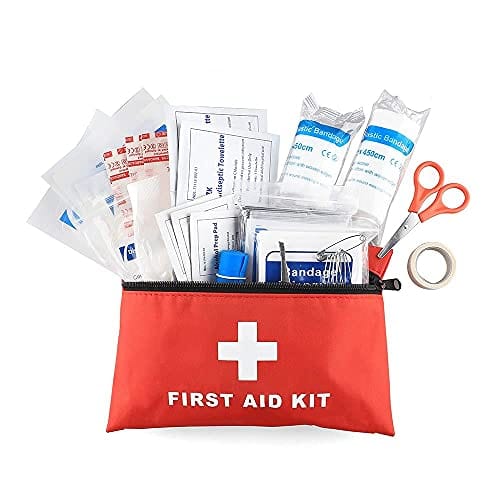
- Bandages: Various sizes of adhesive bandages and sterile gauze pads to dress wounds.
- Antiseptic Wipes: Alcohol-based wipes or antiseptic solutions to clean cuts and scrapes.
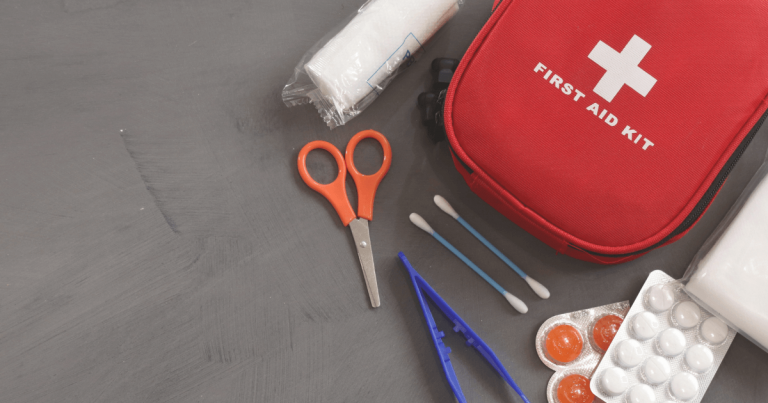
- Tweezers: To remove splinters or debris from wounds.
- Scissors: For cutting bandages and tapes.
- Triangular Bandage: Can be used as a sling or for wrapping injuries.
- Pain Relievers: Over-the-counter pain medication such as acetaminophen or ibuprofen.
- Thermometer: To monitor body temperature in case of fever or illness.
- Gloves: Disposable gloves to protect against contamination when providing first aid.
Maintaining Your First Aid Kit
It is important to regularly check and restock your home first aid kit to ensure that supplies are up-to-date and readily available when needed. Check expiration dates on medications and replace any items that have been used or are outdated. Store your first aid kit in a cool, dry place away from children’s reach but easily accessible in case of emergencies.
In Conclusion
A well-prepared home first aid kit is an essential safety measure for every household. By having the necessary supplies on hand, you can provide immediate care during minor emergencies and potentially prevent more serious complications. Remember to familiarize yourself with the contents of your first aid kit and how to use them effectively. Stay safe, stay prepared!
5 Essential Tips for Maintaining an Effective Home First Aid Kit
- Keep your home first aid kit in a cool, dry place out of reach of children.
- Regularly check the expiration dates of medications and supplies in your first aid kit.
- Include essential items like bandages, antiseptic wipes, adhesive tape, and scissors in your kit.
- Consider adding items like instant cold packs, tweezers, and a thermometer to your first aid kit.
- Make sure all family members know where the first aid kit is located and how to use its contents.
Keep your home first aid kit in a cool, dry place out of reach of children.
It is crucial to store your home first aid kit in a cool, dry place and ensure it is out of reach of children. By keeping the kit in a controlled environment, you can prevent medications from degrading and supplies from getting damaged. Placing it out of reach of children also helps avoid any accidental ingestion or misuse of items within the kit. Safety should always be a top priority when it comes to storing and accessing your first aid supplies.
Regularly check the expiration dates of medications and supplies in your first aid kit.
It is crucial to regularly check the expiration dates of medications and supplies in your home first aid kit. Expired items may not be as effective or could even cause harm when used during an emergency. By maintaining up-to-date supplies, you ensure that your first aid kit is ready to provide the necessary care when needed. Regularly inspecting and replacing expired items will help you be better prepared to handle unexpected situations safely and effectively.
Include essential items like bandages, antiseptic wipes, adhesive tape, and scissors in your kit.
To ensure you are well-prepared for minor injuries at home, it is crucial to include essential items like bandages, antiseptic wipes, adhesive tape, and scissors in your first aid kit. Bandages and adhesive tape are vital for dressing wounds and securing dressings in place, while antiseptic wipes help clean cuts and scrapes to prevent infection. Having scissors on hand allows you to cut bandages or tapes to the required size for effective wound care. By including these key items in your home first aid kit, you can promptly address minor injuries and promote quick healing.
Consider adding items like instant cold packs, tweezers, and a thermometer to your first aid kit.
When assembling your home first aid kit, it is beneficial to include items such as instant cold packs, tweezers, and a thermometer. Instant cold packs can provide quick relief for sprains or minor burns, while tweezers are essential for removing splinters or debris from wounds. A thermometer is crucial for monitoring body temperature during illnesses. These additions enhance the functionality of your first aid kit and ensure you are better equipped to handle a variety of minor injuries and emergencies effectively.
Make sure all family members know where the first aid kit is located and how to use its contents.
It is crucial to ensure that all family members are aware of the location of the home first aid kit and understand how to utilize its contents effectively. In case of an emergency, quick access to the first aid supplies can make a significant difference in providing timely care. By familiarizing everyone with the first aid kit’s location and contents, you can empower your household to respond promptly and confidently to minor injuries or medical situations as they arise.