The Importance of First-Aid Kits: A Lifesaving Necessity
First-aid kits are essential tools that can make a critical difference in emergency situations. Whether at home, in the workplace, or while traveling, having a well-equipped first-aid kit can mean the difference between a minor injury and a life-threatening situation.
Key Components of a First-Aid Kit
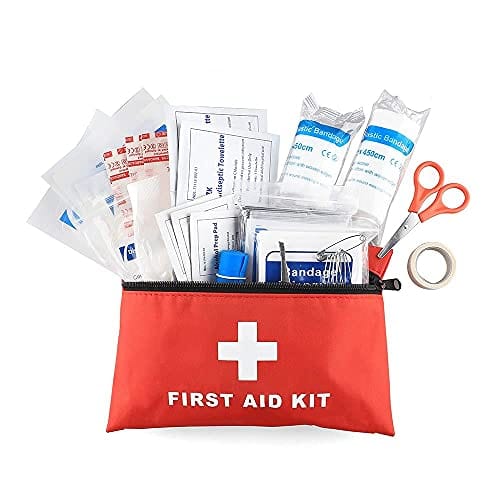
A standard first-aid kit should include basic supplies such as:
- Bandages of various sizes
- Gauze pads and adhesive tape
- Antiseptic wipes or solution
- Tweezers and scissors
- Pain relievers like acetaminophen or ibuprofen
- Antihistamine for allergic reactions
- Latex gloves and CPR mask
- Emergency contact information and first-aid manual
The Importance of First-Aid Training
While having a well-stocked first-aid kit is crucial, knowing how to use its contents effectively is equally important. Proper first-aid training can empower individuals to respond confidently and efficiently in emergency situations, potentially saving lives.
When to Use a First-Aid Kit
A first-aid kit should be readily accessible in various settings, including:
- At home for treating minor cuts, burns, or sprains
- In the workplace for addressing injuries or accidents quickly
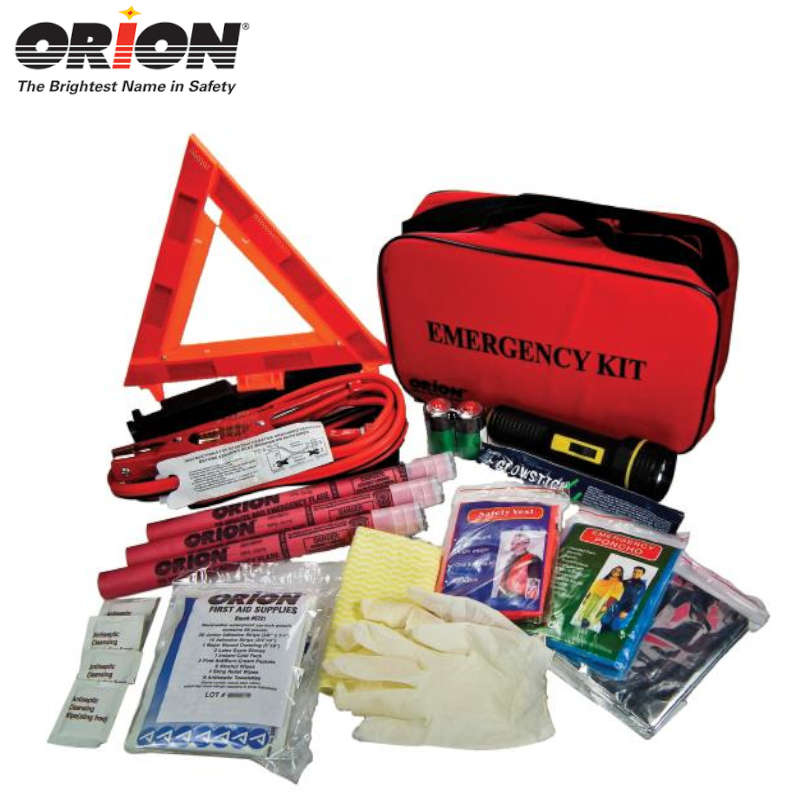
- In vehicles while traveling to handle unexpected medical emergencies on the road
- During outdoor activities like hiking or camping to address injuries in remote areas
Conclusion: Be Prepared for Emergencies with a First-Aid Kit
Having a properly stocked first-aid kit and the knowledge to use it effectively is crucial for anyone looking to be prepared for unexpected emergencies. By investing in a quality first-aid kit and seeking appropriate training, individuals can play an active role in ensuring their safety and the well-being of those around them.
5 Essential Tips for Maintaining an Effective First-Aid Kit
- Store your first-aid kit in a cool, dry place out of reach of children.
- Regularly check the expiration dates of items in your first-aid kit and replace any expired items.
- Include essential items such as adhesive bandages, gauze pads, antiseptic wipes, and medical tape in your first-aid kit.
- Customize your first-aid kit based on specific needs such as allergies or medical conditions of those in your household.
- Keep a list of emergency contacts and basic first-aid instructions inside your first-aid kit.
Store your first-aid kit in a cool, dry place out of reach of children.
It is important to store your first-aid kit in a cool, dry place that is out of reach of children. Keeping the kit in a secure location helps maintain the integrity of its contents and ensures that the supplies remain effective when needed. By storing the first-aid kit away from children, you can prevent accidental misuse or ingestion of potentially harmful items, promoting a safe environment for both adults and little ones.
Regularly check the expiration dates of items in your first-aid kit and replace any expired items.
It is essential to regularly check the expiration dates of items in your first-aid kit and promptly replace any expired items. Expired supplies may not be effective in providing the necessary care during emergencies, potentially compromising the safety and well-being of individuals in need. By maintaining a vigilant eye on expiration dates and ensuring that all contents are up-to-date, you can ensure that your first-aid kit remains a reliable resource for addressing medical needs effectively.
Include essential items such as adhesive bandages, gauze pads, antiseptic wipes, and medical tape in your first-aid kit.
To ensure your first-aid kit is well-prepared for any emergency, it is essential to include key items such as adhesive bandages, gauze pads, antiseptic wipes, and medical tape. Adhesive bandages are ideal for covering minor cuts and scrapes, while gauze pads provide necessary coverage for larger wounds. Antiseptic wipes help clean and disinfect the affected area before dressing the wound, while medical tape secures bandages in place for effective wound care. These items are fundamental in addressing common injuries and promoting proper healing in emergency situations.
Customize your first-aid kit based on specific needs such as allergies or medical conditions of those in your household.
Customizing your first-aid kit based on specific needs, such as allergies or medical conditions of those in your household, is a critical step in ensuring effective emergency preparedness. By tailoring the contents of your kit to address individual health concerns, you can provide personalized care in times of need. Including necessary medications, allergy relief items, or specialized supplies can make a significant difference in managing emergencies efficiently and safeguarding the well-being of your loved ones.
Keep a list of emergency contacts and basic first-aid instructions inside your first-aid kit.
Keeping a list of emergency contacts and basic first-aid instructions inside your first-aid kit is a smart and proactive tip. In the event of an emergency, having quick access to important contact information and step-by-step instructions can help individuals respond effectively and efficiently. This simple practice can make a significant difference in providing timely assistance and ensuring proper care is administered when needed the most.