The Importance of Having a Well-Stocked First Aid Kit
Accidents can happen anytime, anywhere, and being prepared with a well-equipped first aid kit can make all the difference in providing immediate care and potentially saving lives. Whether you are at home, on the road, or enjoying outdoor activities, having a first aid kit readily available is essential for addressing minor injuries and medical emergencies.
Key Components of a First Aid Kit
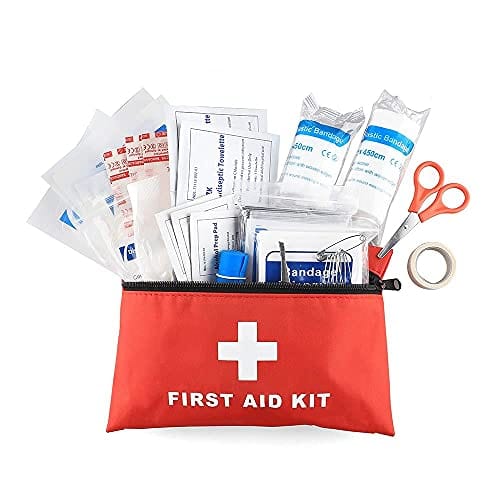
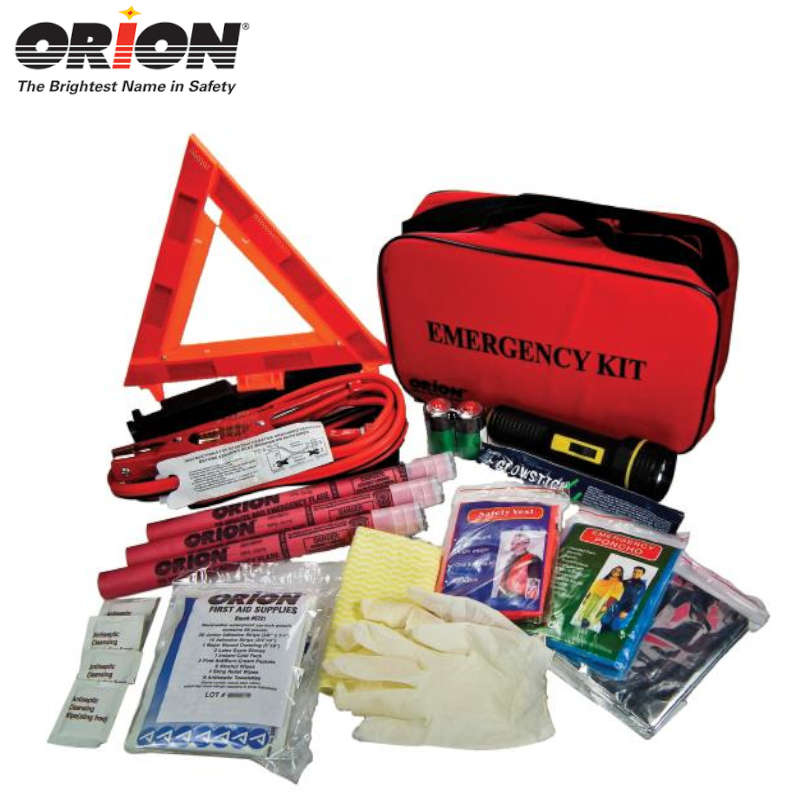
A well-stocked first aid kit should contain essential items to address common injuries and medical needs. Some key components to include in your first aid kit are:
- Bandages of various sizes
- Gauze pads and adhesive tape
- Antiseptic wipes or solution
- Scissors and tweezers
- Cotton balls and swabs
- Instant cold packs
- Latex gloves
- Pain relievers (e.g., ibuprofen or acetaminophen)
- Antihistamine medication for allergic reactions
- CPR mask or face shield
The Benefits of Having a First Aid Kit
Having a well-stocked first aid kit offers several benefits, including:
- Rapid Response: Immediate access to essential medical supplies allows for quick response to injuries.
- Injury Prevention: Properly treating minor injuries can prevent complications and further health issues.
- Emergency Preparedness: Being prepared with a first aid kit is crucial during emergencies when professional medical help may be delayed.
- Versatility: A first aid kit can be useful in various settings, from household accidents to outdoor adventures.
- Promotes Safety Awareness: Encourages individuals to prioritize safety and be proactive in handling medical emergencies.
- Store your first aid kit in a cool, dry place out of reach of children.
- Regularly check and replenish supplies that have expired or been used.
- Include essential items such as bandages, antiseptic wipes, gloves, and scissors.
- Consider adding personal medications and emergency contact information to the kit.
- Familiarize yourself with how to use the items in the first aid kit through training or guides.
- Keep a small first aid manual in the kit for reference during emergencies.
Conclusion
A well-stocked first aid kit is an indispensable tool that every individual should have access to. By investing in a quality first aid kit and familiarizing yourself with its contents, you can be better prepared to handle unexpected situations and provide immediate care when needed. Remember, being proactive about safety can make all the difference in protecting yourself and others during times of need.
Essential Tips for Assembling and Maintaining Your First Aid Kit
Store your first aid kit in a cool, dry place out of reach of children.
It is crucial to store your first aid kit in a cool, dry place and out of reach of children. By keeping the kit in a controlled environment, you ensure that the contents remain intact and effective when needed. Additionally, storing it out of reach of children helps prevent accidental ingestion or misuse of items that could be harmful. Proper storage not only maintains the quality of your first aid supplies but also promotes safety within your household.
Regularly check and replenish supplies that have expired or been used.
It is crucial to regularly check and replenish supplies in your first aid kit that have expired or been used. Keeping track of expiration dates ensures that medications and supplies remain effective when needed. By maintaining a well-stocked and up-to-date first aid kit, you can confidently address emergencies and minor injuries promptly, promoting safety and preparedness in any situation.
Include essential items such as bandages, antiseptic wipes, gloves, and scissors.
To ensure your first aid kit is well-prepared for any emergency, it is crucial to include essential items such as bandages, antiseptic wipes, gloves, and scissors. Bandages are versatile for covering wounds and controlling bleeding, while antiseptic wipes help prevent infections. Gloves are essential for protecting both the caregiver and the injured person from contamination. Additionally, scissors are handy for cutting bandages and tape to the required size. By incorporating these key items into your first aid kit, you can be equipped to provide prompt and effective care in various situations.
Consider adding personal medications and emergency contact information to the kit.
When assembling your first aid kit, it is crucial to consider adding personal medications and emergency contact information. Including your necessary medications ensures that you have access to them in case of an emergency or unexpected situation. Additionally, having your emergency contact information readily available in the kit can provide vital details for first responders or medical professionals when immediate assistance is required. By including these essential items in your first aid kit, you enhance its effectiveness and ensure comprehensive preparedness for any medical scenario.
Familiarize yourself with how to use the items in the first aid kit through training or guides.
It is crucial to familiarize yourself with how to use the items in your first aid kit through training or guides. Knowing how to properly utilize the contents of your first aid kit can make a significant difference in providing effective care during emergencies. By understanding the purpose and application of each item, you can confidently respond to injuries and medical situations, ensuring that you are prepared to offer timely assistance when needed. Regular training and reviewing guides can enhance your readiness and empower you to act swiftly and decisively in critical moments.
Keep a small first aid manual in the kit for reference during emergencies.
It is highly recommended to keep a small first aid manual in your first aid kit for quick reference during emergencies. Having easy access to a manual can provide valuable guidance on how to properly administer first aid treatments and handle various medical situations effectively. In times of stress or urgency, having this resource readily available can help ensure that you provide the best possible care to those in need.