The Importance of Having an Emergency Aid Kit
Emergencies can happen unexpectedly, and being prepared is key to ensuring the safety and well-being of yourself and your loved ones. One essential item that every household should have is an emergency aid kit. An emergency aid kit is a collection of supplies and equipment that can be used to provide basic medical assistance in times of crisis.
What Should You Include in Your Emergency Aid Kit?
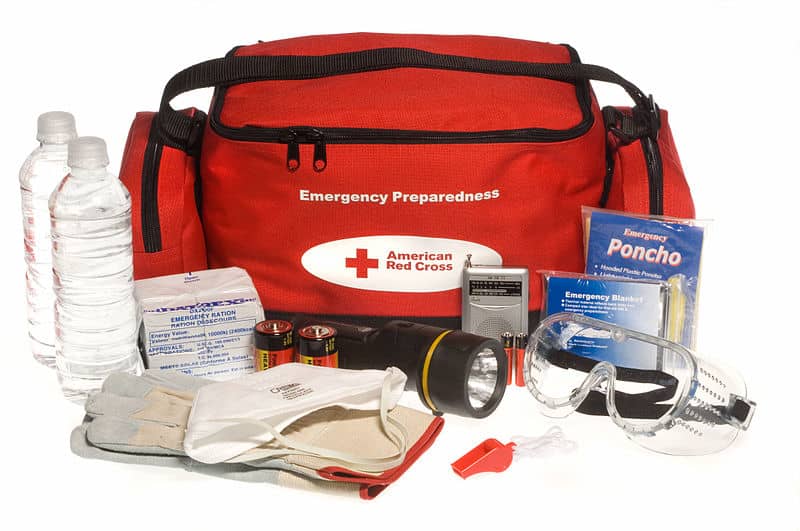
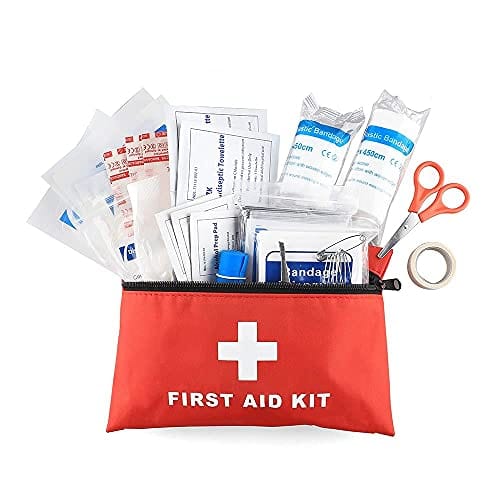
When assembling an emergency aid kit, it is important to consider the specific needs of your household and any potential emergencies that may occur. Some basic items that are commonly included in an emergency aid kit are:
- Bandages and sterile gauze
- Adhesive tape
- Antiseptic wipes
- Tweezers and scissors
- Pain relievers
- Thermometer
- Gloves
- Emergency blanket
- Flashlight with extra batteries
- Non-perishable food and water
The Benefits of Having an Emergency Aid Kit
An emergency aid kit can provide immediate assistance in case of injuries or medical emergencies when professional help may not be readily available. Having essential supplies on hand can make a significant difference in the outcome of an emergency situation. Additionally, having an emergency aid kit can help you feel more prepared and confident in handling unexpected events.
Regularly Check and Update Your Emergency Aid Kit
It is important to regularly check your emergency aid kit to ensure that all supplies are up-to-date and in good condition. Check expiration dates on medications, replace any used or expired items, and make adjustments based on changes in your household’s needs or circumstances.
In Conclusion
An emergency aid kit is a vital component of any household’s emergency preparedness plan. By having a well-stocked and regularly maintained emergency aid kit, you can be better equipped to handle unforeseen emergencies with confidence and readiness.
Essential Guide to Emergency Aid Kits: What to Include, Customize, and Maintain for Your Family’s Safety
- 1. What should be included in an emergency aid kit?
- 2. How often should I check and update my emergency aid kit?
- 3. Are there specific items that are essential for an emergency aid kit?
- 4. Can I customize my emergency aid kit based on my family’s needs?
- 5. Where should I store my emergency aid kit for easy access during emergencies?
- 6. How can I learn to use the items in an emergency aid kit effectively?
1. What should be included in an emergency aid kit?
When assembling an emergency aid kit, it is essential to include a variety of supplies that can address basic medical needs during emergencies. Some key items to include in an emergency aid kit are bandages, adhesive tape, antiseptic wipes, tweezers, scissors, pain relievers, a thermometer, gloves, an emergency blanket, a flashlight with extra batteries, and non-perishable food and water. These items can help individuals provide immediate assistance in case of injuries or medical emergencies when professional help may not be readily available. Regularly checking and updating the contents of the emergency aid kit is crucial to ensure that all supplies are current and in good condition for use during unexpected situations.
2. How often should I check and update my emergency aid kit?
It is recommended to check and update your emergency aid kit at least twice a year to ensure that all supplies are current and in good condition. Regular maintenance of your emergency aid kit is crucial to guarantee that essential items, such as medications and perishable goods, are not expired. Additionally, reviewing and adjusting the contents of your kit based on any changes in your household’s needs or circumstances can help ensure that you are adequately prepared for any potential emergencies that may arise.
3. Are there specific items that are essential for an emergency aid kit?
When preparing an emergency aid kit, there are certain items that are considered essential for ensuring you are adequately prepared to handle emergencies. Key items to include in your emergency aid kit are bandages, antiseptic wipes, adhesive tape, pain relievers, gloves, and a flashlight with extra batteries. These basic supplies can help address common injuries and medical needs that may arise during emergencies. Additionally, non-perishable food and water are crucial components to sustain yourself during extended periods of crisis. By including these specific items in your emergency aid kit, you can enhance your readiness to respond effectively in times of need.
4. Can I customize my emergency aid kit based on my family’s needs?
Yes, you can customize your emergency aid kit based on your family’s specific needs. It is important to consider factors such as any existing medical conditions, allergies, or special requirements that members of your family may have. By personalizing your emergency aid kit, you can ensure that it contains the necessary supplies and medications to address your family’s unique health concerns in times of crisis. Remember to regularly review and update the contents of your customized emergency aid kit to reflect any changes in your family’s needs or circumstances.
5. Where should I store my emergency aid kit for easy access during emergencies?
When considering where to store your emergency aid kit for easy access during emergencies, it is important to choose a location that is easily accessible yet secure. A common recommendation is to store the kit in a designated, easily reachable spot that all household members are aware of, such as a closet near the main entrance or in a kitchen cabinet. Avoid storing the kit in areas prone to extreme temperatures or moisture, as these conditions can affect the integrity of the supplies. Additionally, consider having a smaller, portable version of the kit for on-the-go situations or travel. Regularly check the location of your emergency aid kit to ensure it remains easily accessible and all contents are up-to-date.
6. How can I learn to use the items in an emergency aid kit effectively?
Learning to use the items in an emergency aid kit effectively is crucial for ensuring that you can provide timely and appropriate assistance during emergencies. One way to gain proficiency is by attending first aid training courses or workshops, where you can learn essential skills such as wound care, CPR, and how to use the items in your kit properly. Additionally, familiarizing yourself with the contents of your aid kit through practice drills and simulations can help you feel more confident and prepared to respond effectively in real-life emergency situations.