The Importance of Having a Disaster First Aid Kit
When a disaster strikes, having a well-equipped first aid kit can make a significant difference in providing immediate medical assistance to those in need. A disaster first aid kit is a crucial resource that can help save lives and alleviate suffering during emergencies.
Essential Items for Your Disaster First Aid Kit
Here are some key items that should be included in your disaster first aid kit:
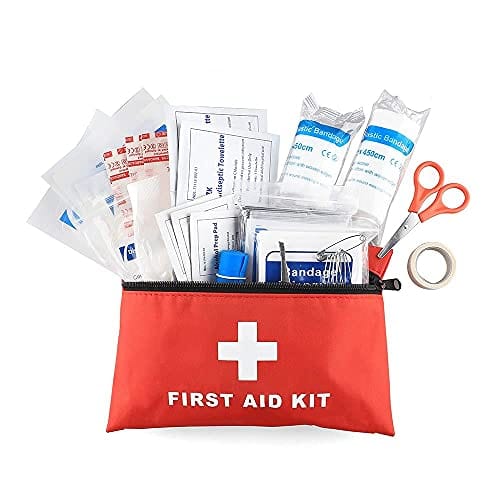
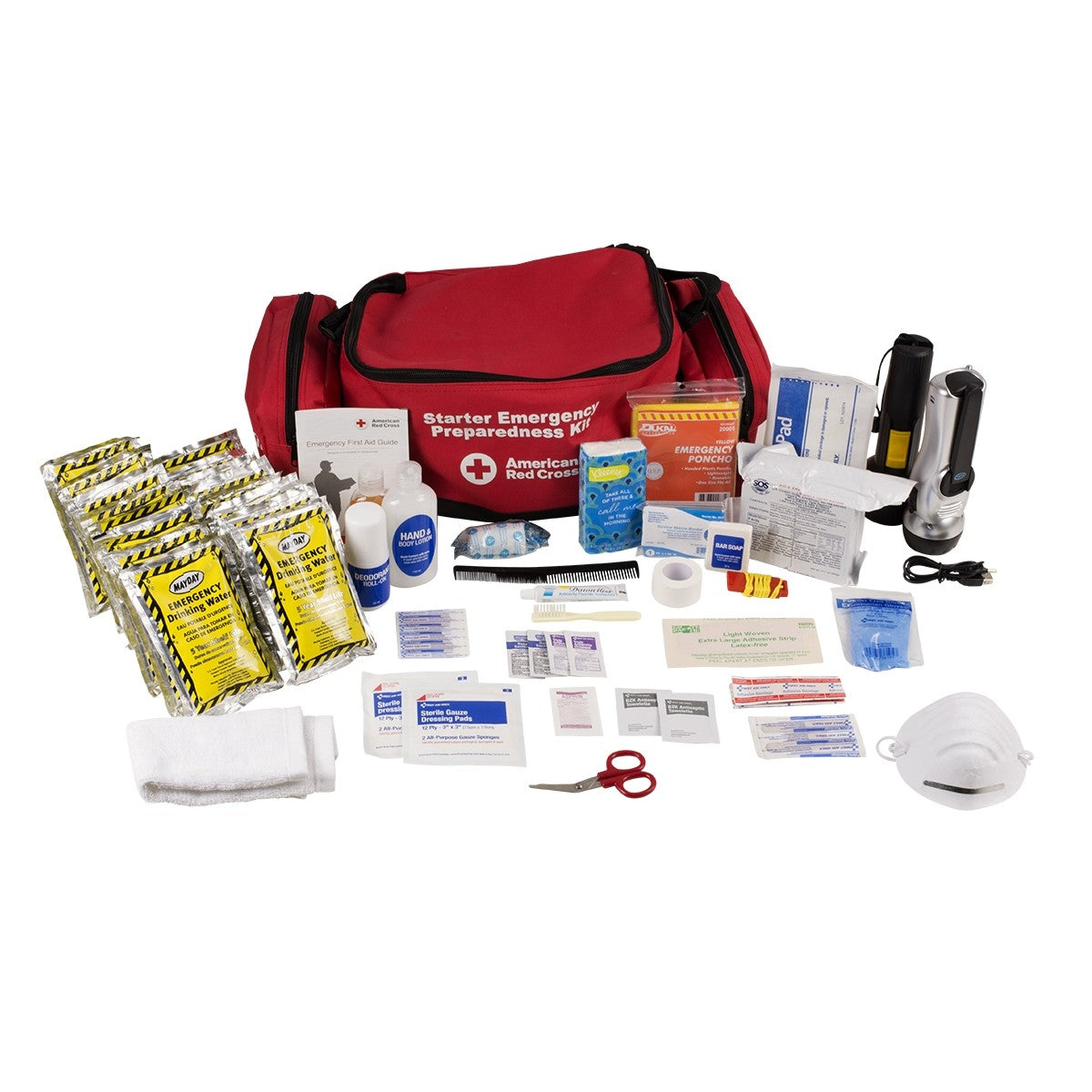
- Sterile gauze pads and adhesive bandages for wound care
- Antiseptic wipes and ointment to prevent infection
- Tweezers, scissors, and safety pins for minor procedures
- Latex gloves and face masks for protection against contaminants
- Thermometer and pain relievers for managing symptoms
- Emergency blanket and hand warmers for maintaining body temperature
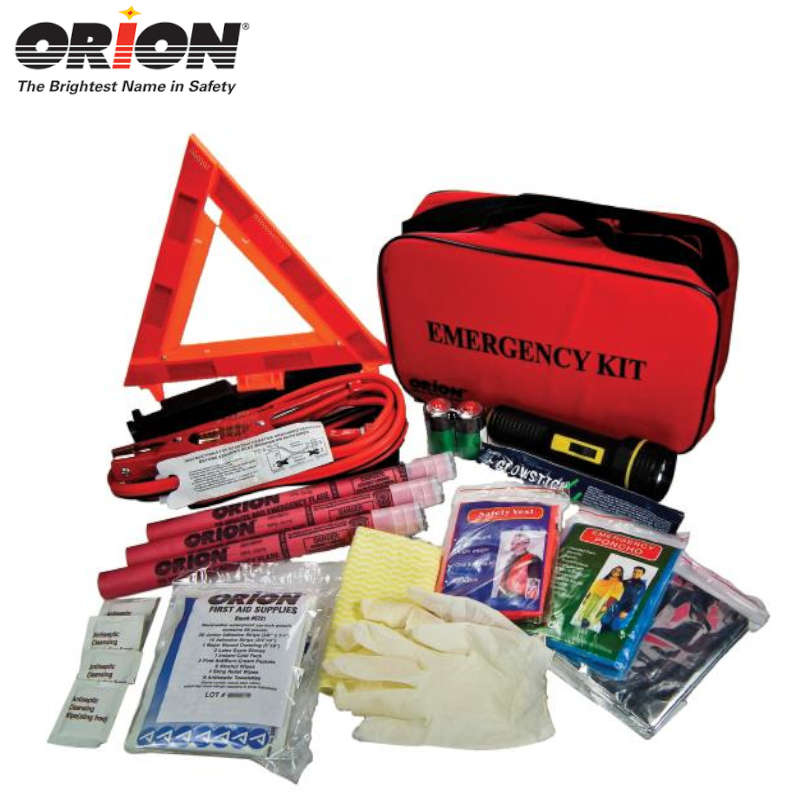
- Flashlight, batteries, and whistle for signaling for help
Tips for Maintaining Your Disaster First Aid Kit
It is important to regularly check and update your disaster first aid kit to ensure that all supplies are current and functional. Here are some tips for maintaining your kit:
- Check expiration dates on medications and replace them as needed
- Inspect bandages and dressings for signs of damage or contamination
- Ensure that all items are securely stored in a waterproof container
- Familiarize yourself with the contents of the kit and how to use them effectively
In Conclusion
A disaster first aid kit is an essential tool for providing immediate medical care in times of crisis. By preparing a well-stocked kit and keeping it up-to-date, you can be better equipped to respond effectively to emergencies and help those in need.
Remember, being prepared can make all the difference when faced with unexpected disasters.
9 Essential Tips for Building a Comprehensive Disaster First Aid Kit
- Include essential items such as bandages, gauze pads, adhesive tape, and antiseptic wipes.
- Pack necessary medications like pain relievers, antihistamines, and any prescription medications.
- Add emergency tools like scissors, tweezers, a thermometer, and disposable gloves.
- Include personal items such as copies of important documents (ID, insurance), emergency contacts list, and extra cash.
- Pack non-perishable snacks and water for sustenance during emergencies.
- Include a flashlight with extra batteries for visibility in dark or low-light situations.
- Add a whistle to signal for help if needed during a disaster situation.
- Include comfort items like a blanket or hand warmers depending on the climate of your area.
- Regularly check and update your first aid kit to ensure all items are in good condition and not expired.
Include essential items such as bandages, gauze pads, adhesive tape, and antiseptic wipes.
To ensure you are well-prepared for emergencies, it is crucial to include essential items like bandages, gauze pads, adhesive tape, and antiseptic wipes in your disaster first aid kit. These items are fundamental for treating wounds, preventing infections, and providing basic medical care during critical situations. By having these supplies readily available, you can effectively address injuries and help maintain the health and safety of those affected by disasters.
Pack necessary medications like pain relievers, antihistamines, and any prescription medications.
When assembling your disaster first aid kit, it is crucial to include necessary medications such as pain relievers, antihistamines, and any prescription medications. These medications can play a vital role in managing symptoms and providing relief during emergencies. Pain relievers can help alleviate discomfort, antihistamines can address allergic reactions, and prescription medications are essential for individuals with specific medical conditions. By packing these medications in your first aid kit, you ensure that you have the necessary resources to address health concerns effectively in times of crisis.
Add emergency tools like scissors, tweezers, a thermometer, and disposable gloves.
Including emergency tools such as scissors, tweezers, a thermometer, and disposable gloves in your disaster first aid kit is essential for being prepared to handle a range of medical situations during emergencies. Scissors and tweezers can help with wound care and minor procedures, while a thermometer is crucial for monitoring body temperature. Disposable gloves provide protection against contaminants and help maintain hygiene standards when administering first aid. By adding these key tools to your kit, you can ensure that you are equipped to respond effectively to medical needs in times of crisis.
Include personal items such as copies of important documents (ID, insurance), emergency contacts list, and extra cash.
It is highly recommended to include personal items such as copies of important documents (ID, insurance), an emergency contacts list, and extra cash in your disaster first aid kit. These additional items can be invaluable during emergencies, providing crucial information and resources when regular communication channels may be disrupted. Having copies of essential documents ensures that you can easily access important information, while an emergency contacts list helps facilitate communication with loved ones and authorities. Additionally, keeping some extra cash on hand can prove useful in situations where electronic payment methods are unavailable. By including these personal items in your disaster first aid kit, you enhance your preparedness for unforeseen events and increase your ability to respond effectively to emergencies.
Pack non-perishable snacks and water for sustenance during emergencies.
During emergencies, it is essential to pack non-perishable snacks and water in your disaster first aid kit to ensure sustenance for yourself and others. These items provide vital nutrition and hydration when access to food and clean water may be limited. Including non-perishable snacks and water in your kit can help maintain energy levels and overall well-being during challenging situations, making them a crucial addition to your emergency preparedness supplies.
Include a flashlight with extra batteries for visibility in dark or low-light situations.
Including a flashlight with extra batteries in your disaster first aid kit is crucial for ensuring visibility in dark or low-light situations. In emergencies, having a reliable light source can help you navigate through hazardous conditions, assess injuries, and provide essential medical assistance. By including a flashlight with extra batteries, you can be better prepared to respond effectively to emergencies and ensure the safety and well-being of those in need.
Add a whistle to signal for help if needed during a disaster situation.
Adding a whistle to your disaster first aid kit is a simple yet crucial tip that can greatly enhance your chances of being located and rescued during an emergency. In a disaster situation where communication may be limited or difficult, a whistle provides a loud and distinct sound that can alert rescuers to your location. By including this small but powerful tool in your kit, you are ensuring an additional means of signaling for help when it is needed most.
Include comfort items like a blanket or hand warmers depending on the climate of your area.
It is important to consider the climate of your area when preparing a disaster first aid kit. Including comfort items such as a blanket or hand warmers can provide essential warmth and relief during emergencies, especially in colder regions. These items not only help maintain body temperature but also offer comfort and reassurance to those affected by the disaster. By customizing your kit with climate-appropriate items, you can better address the needs of individuals in distress and enhance their overall well-being during challenging times.
Regularly check and update your first aid kit to ensure all items are in good condition and not expired.
Regularly checking and updating your disaster first aid kit is crucial to ensuring that all items are in good condition and not expired. By maintaining a well-maintained kit, you can be confident that you are prepared to provide effective medical assistance during emergencies. Checking expiration dates on medications, inspecting bandages for damage, and keeping supplies in a waterproof container are essential steps to take in order to ensure the readiness of your first aid kit. Stay proactive and diligent in maintaining your kit to be better equipped for any unforeseen circumstances that may arise.