The Essential Guide to Building a Backpacking First Aid Kit
When you’re out in the wilderness, whether hiking through rugged terrain or camping in remote areas, having a well-equipped first aid kit is crucial for your safety and well-being. A backpacking first aid kit should be lightweight, compact, and tailored to meet the specific needs of outdoor adventures. Here’s a comprehensive guide to help you build the perfect backpacking first aid kit:
Key Essentials for Your Backpacking First Aid Kit:
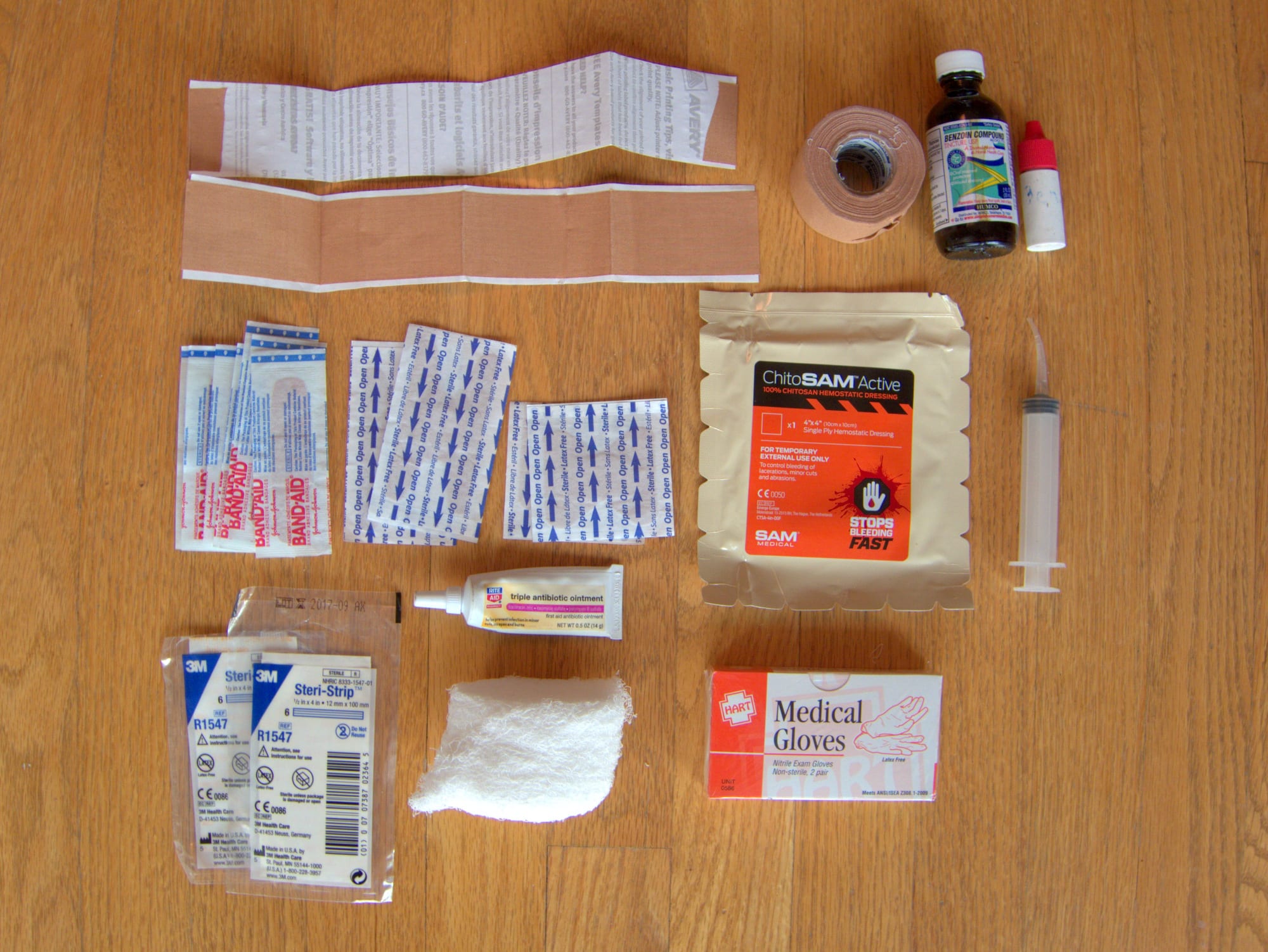
- Bandages and Dressings: Include adhesive bandages, gauze pads, and adhesive tape for treating cuts, scrapes, and wounds.
- Antiseptic Wipes and Ointments: Pack antiseptic wipes or alcohol pads to clean wounds and prevent infection. Include antibiotic ointment for added protection.
- Tweezers and Scissors: Carry small tweezers for removing splinters or ticks, and scissors for cutting bandages or clothing if needed.
- Pain Relievers: Include pain relievers such as ibuprofen or acetaminophen for managing minor aches and pains.
- Allergy Medication: Pack antihistamines for allergic reactions to insect bites or plants encountered during your hike.
- Moleskin or Blister Pads: Prevent blisters by including moleskin padding or blister pads in your kit.
- Triangle Bandage: A versatile item that can be used as a sling, bandage, or tourniquet in emergency situations.
- CPR Face Shield: Be prepared for emergencies with a compact CPR face shield that can protect both you and the victim during resuscitation efforts.
Additions Based on Your Needs:
In addition to these essentials, consider adding items based on your specific needs and activities. If you’re hiking in snake-prone areas, carry a snakebite kit. If you have known allergies, make sure to include an EpiPen. Tailor your first aid kit to address any pre-existing medical conditions or potential risks you may encounter on your backpacking trip.
Maintaining Your Backpacking First Aid Kit:
Regularly check your first aid kit before each trip to ensure that supplies are current and not expired. Replace any used items promptly and restock supplies as needed. Keep your first aid kit in a waterproof container or bag to protect it from moisture and environmental elements that could compromise its contents.
A well-prepared backpacking first aid kit can make all the difference in handling unexpected emergencies while exploring the great outdoors. By taking the time to build a customized kit tailored to your needs, you can hike with confidence knowing that you’re equipped to handle common injuries and medical situations that may arise during your adventures.
7 Essential Benefits of a Backpacking First Aid Kit for Safe and Prepared Adventures
- Compact and lightweight for easy carrying during backpacking trips.
- Essential supplies to treat common injuries such as cuts, scrapes, and blisters.
- Prevents infections by including antiseptic wipes and ointments.
- Provides pain relief with medications like ibuprofen or acetaminophen.
- Versatile tools like tweezers and scissors for various first aid needs.
- Customizable to add specific items based on individual needs or activities.
- Promotes safety and preparedness in handling emergencies while hiking or camping.
Challenges of Backpacking First Aid Kits: Space, Expiration, Skills, and Weight
Compact and lightweight for easy carrying during backpacking trips.
One of the key advantages of a backpacking first aid kit is its compact and lightweight design, making it easy to carry during backpacking trips. The portable nature of these kits ensures that hikers and campers can have essential medical supplies on hand without adding significant weight or bulk to their packs. This convenience allows outdoor enthusiasts to prioritize safety without compromising on mobility, ensuring that they are prepared for any potential emergencies while exploring remote wilderness areas.
Essential supplies to treat common injuries such as cuts, scrapes, and blisters.
Having a backpacking first aid kit ensures that you have essential supplies on hand to treat common injuries like cuts, scrapes, and blisters while exploring the outdoors. With items such as adhesive bandages, antiseptic wipes, and blister pads readily available in your kit, you can quickly address minor wounds and prevent infections, allowing you to continue your backpacking journey with confidence and peace of mind. Being prepared with the necessary tools to handle these common injuries can make a significant difference in your overall hiking experience and safety while enjoying nature.
Prevents infections by including antiseptic wipes and ointments.
One of the key advantages of having a backpacking first aid kit is its ability to prevent infections by including essential items such as antiseptic wipes and ointments. These supplies play a crucial role in maintaining proper wound care while outdoors, helping to clean cuts and scrapes effectively to reduce the risk of bacterial contamination. By incorporating antiseptic products into your kit, you can promote faster healing and minimize the chances of infections that could potentially escalate into more serious health concerns during your backpacking adventures.
Provides pain relief with medications like ibuprofen or acetaminophen.
One significant advantage of including medications like ibuprofen or acetaminophen in your backpacking first aid kit is the provision of effective pain relief during outdoor adventures. These medications can help alleviate discomfort from minor aches, pains, or headaches that may occur while hiking or camping. By having access to pain relievers in your kit, you can address discomfort quickly and continue enjoying your backpacking experience with greater comfort and ease.
Versatile tools like tweezers and scissors for various first aid needs.
Having versatile tools like tweezers and scissors in your backpacking first aid kit is essential for addressing a wide range of first aid needs. Tweezers can be used to remove splinters, ticks, or debris from wounds, while scissors are handy for cutting bandages, tape, or clothing in emergency situations. These multipurpose tools not only provide practical solutions for common injuries encountered during outdoor activities but also offer the flexibility needed to handle diverse first aid scenarios effectively.
Customizable to add specific items based on individual needs or activities.
One of the key advantages of a backpacking first aid kit is its customizability, allowing individuals to add specific items based on their unique needs or planned activities. Whether hiking in remote areas, camping in the wilderness, or engaging in outdoor sports, having the flexibility to tailor your first aid kit ensures that you are prepared for potential risks and emergencies specific to your adventure. By personalizing your kit with items such as allergy medication, specialized wound care supplies, or activity-specific tools, you can enhance your safety and readiness for any situation that may arise during your outdoor pursuits.
Promotes safety and preparedness in handling emergencies while hiking or camping.
A backpacking first aid kit plays a crucial role in promoting safety and preparedness during hiking or camping adventures. By ensuring you have essential medical supplies readily available, you are better equipped to handle emergencies such as injuries, cuts, or allergic reactions that may occur while exploring the outdoors. Having a well-stocked first aid kit not only provides peace of mind but also empowers you to respond effectively to unexpected situations, ultimately enhancing your overall safety and enjoyment of outdoor activities.
Limited Space
Limited Space: One of the downsides of backpacking first aid kits is the constraint of limited space. In order to ensure portability and convenience, these kits must be compact and lightweight, which can restrict the quantity and variety of supplies you can carry. This limitation requires careful consideration and prioritization of essential items to include in your kit, balancing the need for preparedness with the constraints of available space. It’s important to make strategic choices when selecting supplies to maximize utility while minimizing bulk, ensuring that you have the necessary resources to address potential emergencies while keeping your pack manageable during outdoor excursions.
Risk of Expiration
One significant drawback of a backpacking first aid kit is the risk of expiration. Certain items in the kit, such as medications and ointments, have limited shelf lives and may expire before they are needed if not regularly checked and replaced. Failure to monitor the expiration dates of these essential supplies can compromise their effectiveness when faced with an emergency situation in the wilderness. It is crucial for backpackers to maintain a diligent schedule of inspecting and replenishing their first aid kits to ensure that all contents are up-to-date and ready for use when required.
Skill Requirement
One significant challenge of having a backpacking first aid kit is the skill requirement associated with using its contents effectively. To make the most of a first aid kit in an emergency situation, individuals need to have some level of training or familiarity with basic first aid procedures. Without the necessary knowledge and skills, even a well-equipped first aid kit may not be fully utilized to provide proper care and treatment. Therefore, it is essential for backpackers to invest time in learning basic first aid techniques to ensure they can respond effectively to injuries or medical emergencies while out in the wilderness.
Weight Consideration
When it comes to backpacking, one significant drawback of carrying a fully stocked first aid kit is the weight consideration. While essential for safety, the added weight of a comprehensive first aid kit can impact your overall comfort and mobility, especially during long hikes. Every ounce matters when you’re trekking through rugged terrain or covering long distances, and the extra weight of a bulky first aid kit may slow you down and contribute to fatigue. Balancing the necessity of having adequate medical supplies with the need to keep your backpack lightweight is a crucial aspect that backpackers must carefully consider before embarking on their outdoor adventures.