The Importance of a Survival Vehicle First Aid Kit
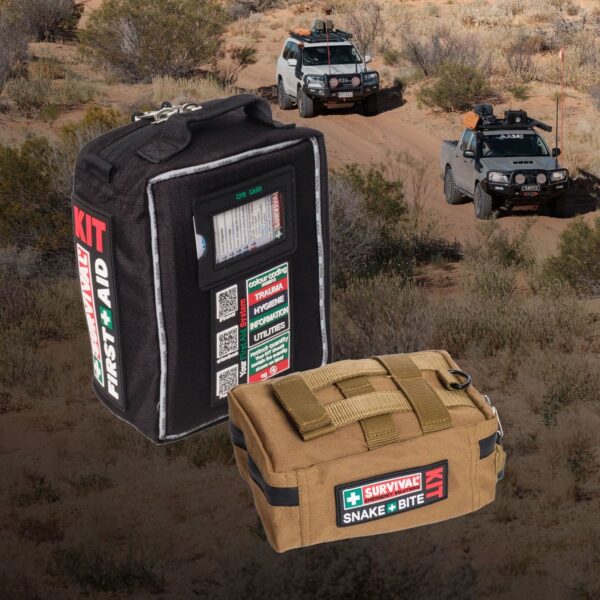
When embarking on outdoor adventures or long road trips, having a well-equipped first aid kit in your vehicle can make a significant difference in emergency situations. A survival vehicle first aid kit is essential for providing immediate medical assistance in case of injuries or accidents.
Key Components of a Survival Vehicle First Aid Kit
A well-prepared first aid kit for your vehicle should include the following key components:
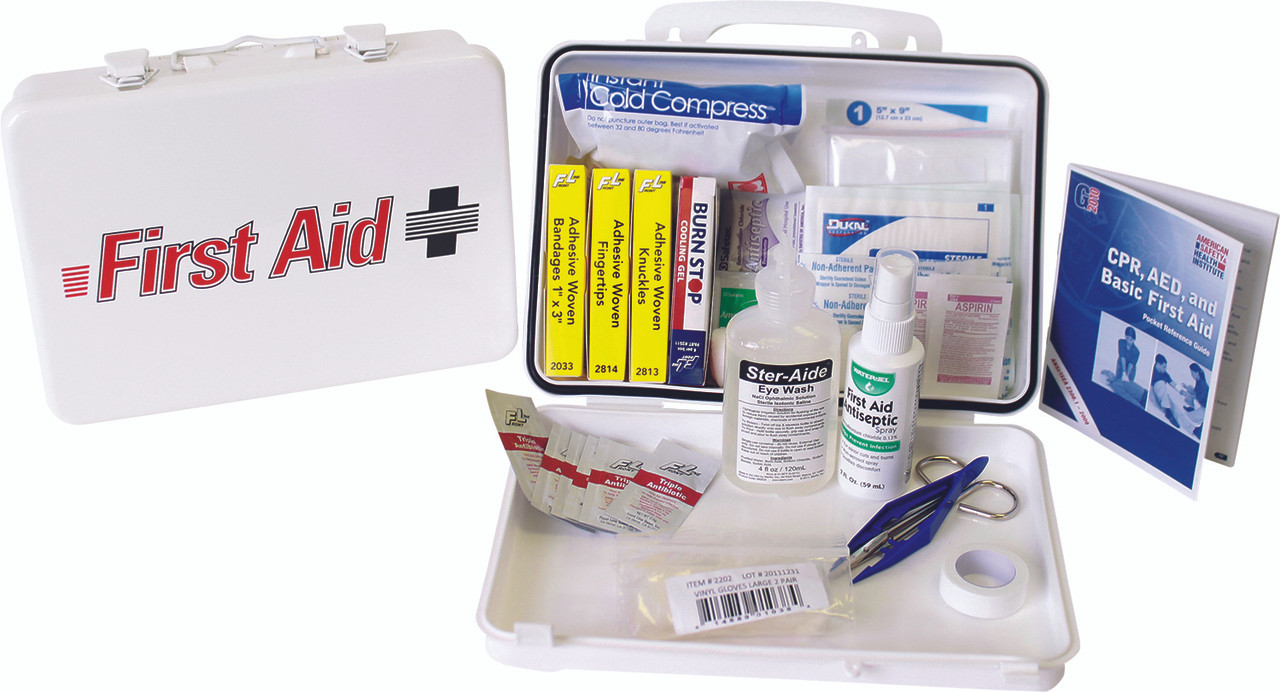
- Sterile bandages and gauze pads for wound dressing
- Adhesive tape and band-aids for minor cuts and scrapes
- Tweezers and scissors for removing splinters or cutting bandages
- Antiseptic wipes and antibiotic ointment to prevent infection
- Pain relief medication such as ibuprofen or acetaminophen
- Emergency thermal blanket to maintain body temperature in case of exposure
- Tourniquet and compression bandage for severe bleeding control
- CPR mask for performing cardiopulmonary resuscitation if needed
- Emergency contact information and medical history forms
Benefits of Having a Survival Vehicle First Aid Kit
Having a well-stocked first aid kit in your vehicle can provide the following benefits:
- Rapid Response: Immediate access to medical supplies can help address injuries promptly, potentially reducing the severity of the situation.
- Safety Assurance: Knowing that you have essential medical supplies on hand can offer peace of mind during outdoor activities or road trips.
- Emergency Preparedness: Being prepared with a first aid kit ensures that you are ready to handle unexpected medical emergencies while on the go.
- Potential Life-Saving Measures: In critical situations, having the right tools and supplies readily available can make a life-saving difference.
Conclusion
A survival vehicle first aid kit is an indispensable resource that can help you respond effectively to medical emergencies while traveling. By ensuring that your vehicle is equipped with essential medical supplies, you can enhance safety, preparedness, and peace of mind during your adventures.
Stay safe, stay prepared!
7 Essential Tips for Building a Comprehensive Survival Vehicle First Aid Kit
- Include essential items such as bandages, gauze pads, adhesive tape, and antiseptic wipes.
- Add medications like pain relievers, antihistamines, and any personal prescriptions.
- Include emergency supplies such as scissors, tweezers, gloves, and a CPR mask.
- Pack emergency blankets, hand warmers, and a flashlight with extra batteries.
- Include a basic first aid manual or instructions for common medical emergencies.
- Check the kit regularly to ensure all items are in good condition and not expired.
- Customize the kit based on your specific needs or any medical conditions you may have.
Include essential items such as bandages, gauze pads, adhesive tape, and antiseptic wipes.
To ensure you are well-prepared for emergencies while on the road, it is crucial to include essential items like bandages, gauze pads, adhesive tape, and antiseptic wipes in your survival vehicle first aid kit. These basic supplies are fundamental for addressing minor cuts, wounds, and injuries promptly and effectively. Having these items readily available can make a significant difference in providing immediate care and preventing infections during unexpected situations.
Add medications like pain relievers, antihistamines, and any personal prescriptions.
Including medications such as pain relievers, antihistamines, and personal prescriptions in your survival vehicle first aid kit is crucial for addressing various medical needs during emergencies. Pain relievers can help alleviate discomfort from injuries or sudden onset of pain, while antihistamines can be essential for managing allergic reactions or insect bites. Additionally, having personal prescriptions on hand ensures that individuals with specific medical conditions have access to necessary medications when away from home. By including these essential medications in your first aid kit, you can enhance your preparedness and ability to respond effectively to a range of health issues while on the road.
Include emergency supplies such as scissors, tweezers, gloves, and a CPR mask.
When preparing a survival vehicle first aid kit, it is crucial to include essential emergency supplies such as scissors, tweezers, gloves, and a CPR mask. Scissors and tweezers are invaluable tools for wound care and splinter removal, while gloves help maintain hygiene during medical procedures. A CPR mask is essential for performing cardiopulmonary resuscitation safely and effectively in emergency situations. These items play a vital role in providing immediate medical assistance and ensuring preparedness for unexpected incidents while on the road or outdoors.
Pack emergency blankets, hand warmers, and a flashlight with extra batteries.
When assembling your survival vehicle first aid kit, it is crucial to include essential items such as emergency blankets, hand warmers, and a flashlight with extra batteries. These items can be lifesaving in emergency situations, providing warmth, visibility, and comfort when needed most. Emergency blankets help retain body heat and protect against hypothermia, while hand warmers offer warmth in cold environments. A reliable flashlight with spare batteries ensures that you have illumination during nighttime emergencies or power outages. Including these items in your kit enhances your preparedness for unforeseen circumstances and contributes to a safer and more secure travel experience.
Include a basic first aid manual or instructions for common medical emergencies.
Including a basic first aid manual or instructions for common medical emergencies in your survival vehicle first aid kit is crucial for ensuring that you can respond effectively to various situations. Having access to clear guidance on how to administer first aid in emergencies such as cuts, burns, or fractures can make a significant difference in providing timely and appropriate care. A first aid manual serves as a valuable resource that can help you navigate unexpected medical scenarios with confidence and competence, ultimately enhancing your preparedness and ability to address injuries or illnesses while on the road.
Check the kit regularly to ensure all items are in good condition and not expired.
It is crucial to regularly inspect your survival vehicle first aid kit to ensure that all items are in good condition and have not expired. Checking the kit periodically helps guarantee that the medical supplies are ready for use in case of an emergency. Expired or damaged items may not be effective when needed, potentially compromising your ability to provide proper medical assistance. By maintaining a well-maintained and up-to-date first aid kit, you can ensure that you are prepared for any unforeseen situations that may arise while on the road or during outdoor activities.
Customize the kit based on your specific needs or any medical conditions you may have.
Customizing your survival vehicle first aid kit based on your specific needs or any medical conditions you may have is crucial for ensuring effective emergency response. By tailoring the contents of the kit to address your unique requirements, you can better prepare for potential health concerns that may arise during your travels. Whether you require specific medications, allergy treatments, or specialized equipment, personalizing your first aid kit can make a significant difference in providing timely and appropriate care in emergencies. Remember, being proactive in customizing your kit can enhance its utility and relevance to your individual health needs.