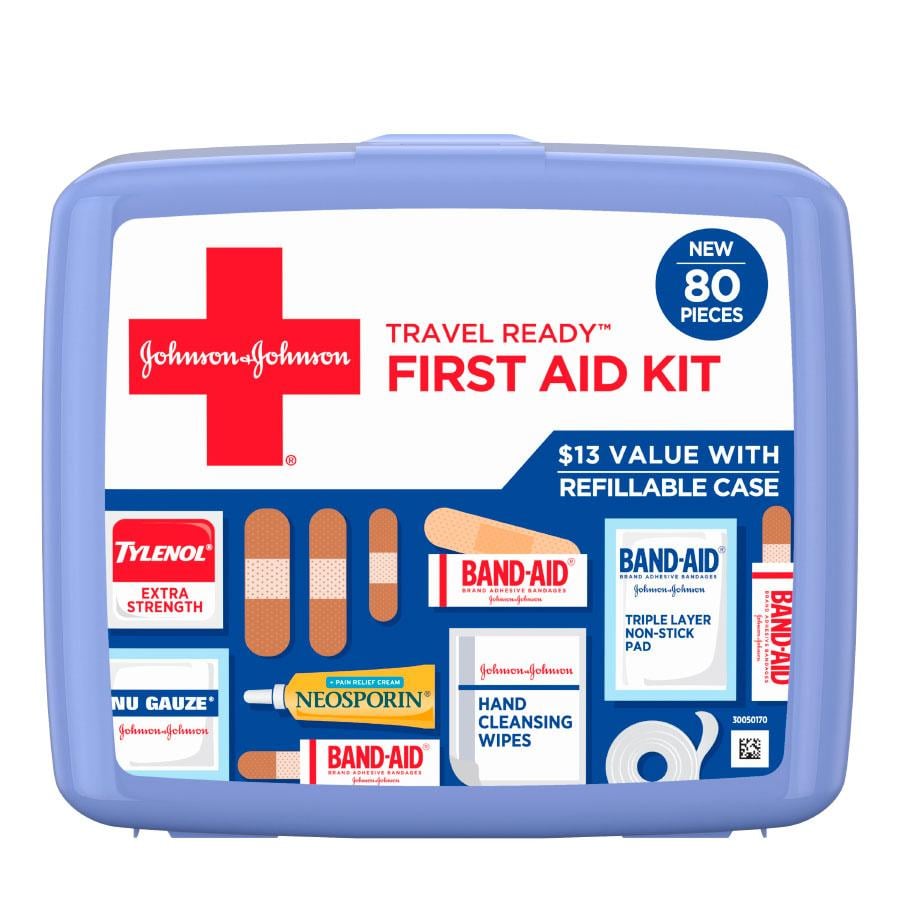
TSA-Approved First Aid Kit: What You Can Bring on a Plane
There is no official “TSA-approved first aid kit” label or certification. Instead, the Transportation Security Administration (TSA) evaluates the individual items in your kit at the security checkpoint. Most basic first aid supplies are allowed in carry-on bags, but restrictions apply to liquids, gels, aerosols, and sharp tools.
First Aid Supplies Generally Allowed in a Carry-On
Common items such as adhesive bandages, gauze pads, medical tape, gloves, and most packaged wound-care supplies can generally travel in your carry-on. Small tools may also be permitted, subject to screening and applicable size limits.
- Bandages and gauze: Adhesive bandages, gauze pads, and medical tape are generally permitted.
- Small scissors: Scissors with blades measuring less than 4 inches from the pivot point are generally allowed in carry-on baggage. The TSA officer makes the final decision.
- Tweezers: Tweezers are generally permitted.
- Medication: Essential prescription and over-the-counter medicines can generally be brought through security. Keep prescription medication labeled when possible.
- Instant cold packs: These are generally permitted, but check the TSA’s current guidance and the product’s packaging before traveling.
Liquids, Gels, and Ointments
Items such as antiseptic liquids, creams, gels, and antibiotic ointments are subject to the TSA liquids rule when packed in a carry-on. In general, each container must hold no more than 3.4 ounces (100 milliliters), and containers must fit in a single quart-size bag with your other liquids.
Medically necessary liquids, gels, or creams may qualify for an exception to the usual size limit. Tell the TSA officer about them before screening and be prepared for additional inspection. Keeping medically necessary items easy to reach can help make the screening process smoother.
Items to Pack Carefully
Some useful first aid tools may be restricted in a carry-on. Knives and many other sharp objects are not allowed through the checkpoint, even when they are part of a first aid kit. Pack prohibited sharp items in checked baggage, or leave them at home. If you are unsure about a particular item, check the TSA’s current “What Can I Bring?” guidance before your trip.
Rules can depend on an item’s design, size, and intended use. A kit sold as “TSA-friendly” does not guarantee that every item inside will be permitted. Security officers have the final say at the checkpoint.
How to Choose a Travel First Aid Kit
For air travel, choose a compact kit with clearly labeled contents and minimal liquids. Before leaving, review the kit and separate anything that may be restricted. Consider packing essentials such as:
- Adhesive bandages in assorted sizes
- Gauze pads and medical tape
- Antiseptic wipes
- Gloves and a small first aid guide
- Personal medications and any necessary medical supplies
Place liquids and ointments in containers that meet carry-on limits unless they qualify as medically necessary. Consider putting scissors, knives, and other potentially restricted tools in checked baggage. Keep essential medication in your carry-on so it remains accessible during your trip.
Check Current Rules Before You Fly
TSA requirements and screening decisions may change, and other countries or airlines may have additional restrictions. Before packing, confirm the rules for each item with the TSA and your airline. The best travel first aid kit is one that meets your health needs while keeping restricted items out of your carry-on.
TSA-Approved First Aid Kits: 7 FAQs About Carry-On Rules, Medications, and Essentials
- How to get a free first aid kit?
- Is there a mandatory list for a first aid kit?
- What are the TSA-approved items for carry-on luggage?
- Can a first aid kit be carried in hand luggage?
- Is a first aid kit allowed in a flight?
- Is it okay to have a Ziploc bag of medicine and pills when flying?
- Are first aid kits TSA approved?
How to get a free first aid kit?
You may be able to get a free first aid kit through a workplace safety program, community health fair, school, nonprofit organization, or local emergency-preparedness event. Some insurance plans, pharmacies, and community groups also offer kits or supplies at no cost during special promotions. Availability varies, so contact local organizations or check their websites for current offers. Before flying, review the kit’s contents against current TSA rules—there is no official TSA-approved kit, and individual items are subject to screening and carry-on restrictions.
Is there a mandatory list for a first aid kit?
No, there isn’t a single mandatory list of items for a personal first aid kit when flying. You can choose supplies based on your needs, but each item must follow TSA carry-on rules. Most bandages and gauze are allowed, while liquids, gels, ointments, and sharp tools may have size or packing restrictions. Check the TSA’s current “What Can I Bring?” guidance before you travel, since officers make the final decision at the checkpoint.
What are the TSA-approved items for carry-on luggage?
The TSA does not certify complete first aid kits, but many common supplies are generally allowed in carry-on luggage, including adhesive bandages, gauze, medical tape, gloves, and tweezers. Small scissors are typically permitted if the blades measure less than 4 inches from the pivot point. Liquids, gels, creams, and ointments must generally follow the 3.4-ounce (100-milliliter) limit and fit in your quart-size liquids bag, though medically necessary items may qualify for an exception. Rules can vary by item, and TSA officers make the final decision, so check the TSA’s current guidance before you fly.
Can a first aid kit be carried in hand luggage?
Yes, you can generally carry a first aid kit in your hand luggage. Most basic supplies, such as bandages, gauze, and medical tape, are allowed, but liquids, gels, and ointments must usually follow the TSA’s 3.4-ounce (100-milliliter) limit and fit in your quart-size liquids bag. Sharp items, such as knives, may be prohibited, and scissors must meet TSA size limits. Rules can vary by item, so check the TSA’s current guidance before you fly; officers make the final decision at the checkpoint.
Is a first aid kit allowed in a flight?
Yes, you can generally bring a first aid kit on a flight, including in your carry-on or checked baggage. Most basic supplies—such as bandages, gauze, and medical tape—are allowed in carry-ons, but liquids, gels, and ointments must usually follow the TSA’s 3-1-1 rule: containers of 3.4 ounces (100 milliliters) or less in one quart-size bag. Sharp items, including knives and some scissors, may be restricted in carry-on bags, so check current TSA guidance before you travel.
Is it okay to have a Ziploc bag of medicine and pills when flying?
Yes. You can carry pills and other solid medications in a Ziploc bag in your carry-on; they do not need to be in their original prescription bottles under TSA rules, though keeping them labeled can make screening or identification easier. Liquid medications may be subject to additional screening, and medically necessary liquids can qualify for an exception to the usual 3.4-ounce limit. Check current TSA guidance and any rules for your destination before you fly.
Are first aid kits TSA approved?
There is no official TSA approval or certification for first aid kits. Most basic supplies, such as bandages, gauze, and medical tape, are generally allowed in carry-on bags, but liquids, gels, ointments, scissors, and other tools may have restrictions. Check each item against current TSA rules before you travel, since security officers make the final decision at the checkpoint.