The Essential Role of Pumps in Various Industries
From agriculture to construction, pumps play a crucial role in a wide range of industries by facilitating the movement of fluids for various purposes. These mechanical devices are designed to transfer liquids or gases from one place to another efficiently and effectively. Let’s explore the diverse applications and types of pumps that are essential in modern-day operations.
Agriculture
In agriculture, pumps are used for irrigation systems to deliver water to crops, ensuring proper hydration for healthy growth. They are also utilized in livestock operations for water supply and waste management, contributing to sustainable farming practices.
Construction
Construction sites rely on pumps for dewatering purposes, removing excess water from excavations or flooded areas to maintain a safe working environment. Concrete pumps are essential for transporting liquid concrete to construction sites, enabling precise placement and efficient building processes.
Manufacturing
In manufacturing industries, pumps are integral components in various processes such as cooling systems, chemical transfers, and wastewater treatment. They help maintain operational efficiency by ensuring the smooth flow of fluids required for production activities.
Oil and Gas
The oil and gas industry heavily depends on pumps for extracting crude oil from wells, transporting it through pipelines, and refining it into valuable products. Submersible pumps are commonly used in offshore drilling operations due to their reliability and performance under challenging conditions.
Types of Pumps
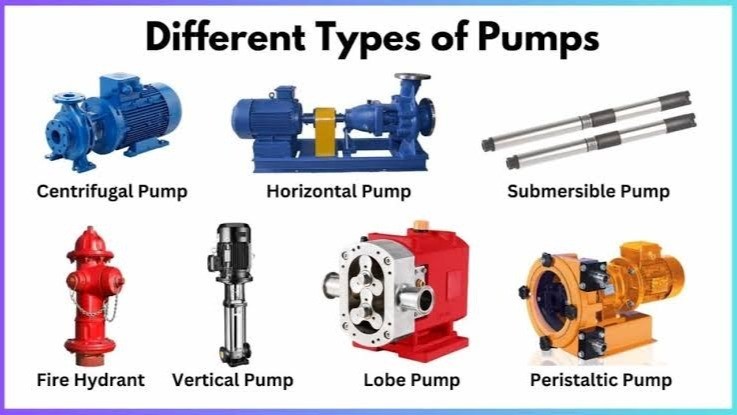
There are different types of pumps designed to meet specific requirements across industries:
- Centrifugal Pumps: Ideal for high-flow applications with low viscosity liquids.
- Positive Displacement Pumps: Suitable for handling viscous fluids or those with varying flow rates.
- Diaphragm Pumps: Known for their ability to handle abrasive or corrosive materials without leakage.
- Vacuum Pumps: Used for creating vacuum conditions in various processes like packaging and laboratory applications.
The Future of Pump Technology
Advancements in pump technology continue to enhance efficiency, reliability, and sustainability across industries. From smart monitoring systems that optimize performance to eco-friendly designs that reduce energy consumption, the evolution of pumps is driving innovation and progress in diverse sectors.
In conclusion, pumps serve as indispensable assets in modern industrial operations, enabling the seamless transfer of fluids essential for productivity and progress. Their versatility and reliability make them essential components that contribute significantly to the functioning of various industries worldwide.
5 Essential Tips for Maintaining and Optimizing Your Pump System
- Regularly check and maintain your pump to ensure it is in good working condition.
- Ensure the pump is properly sized and suited for the specific application or task.
- Follow manufacturer guidelines for installation, operation, and maintenance of the pump.
- Monitor for any unusual noises, vibrations, or leaks that may indicate a problem with the pump.
- Keep spare parts on hand to quickly address any potential issues that may arise with the pump.
Regularly check and maintain your pump to ensure it is in good working condition.
Regularly checking and maintaining your pump is essential to ensure it remains in good working condition. By conducting routine inspections, cleaning, and servicing, you can prevent potential issues and prolong the lifespan of the pump. Regular maintenance helps identify any signs of wear and tear, leaks, or malfunctions early on, allowing for timely repairs or replacements. This proactive approach not only ensures the efficient performance of the pump but also minimizes downtime and costly repairs in the long run. Keeping your pump well-maintained is key to reliable operation and optimal functionality in various applications across industries.
Ensure the pump is properly sized and suited for the specific application or task.
To maximize efficiency and performance, it is essential to ensure that the pump is properly sized and matched to the specific application or task at hand. Choosing a pump that meets the requirements of the job, such as flow rate, pressure capacity, and fluid properties, is crucial for optimal operation. An accurately sized pump not only enhances productivity but also prolongs the equipment’s lifespan and reduces maintenance costs. By selecting a pump that is well-suited for the intended application, users can achieve reliable performance and achieve desired results efficiently.
Follow manufacturer guidelines for installation, operation, and maintenance of the pump.
It is crucial to adhere to the manufacturer’s guidelines for the installation, operation, and maintenance of pumps to ensure optimal performance and longevity. Following these instructions carefully helps prevent potential issues, ensures safe operation, and maximizes the efficiency of the pump. Proper installation techniques, correct operating procedures, and regular maintenance routines as recommended by the manufacturer can significantly extend the lifespan of the pump and minimize the risk of malfunctions or breakdowns. By following these guidelines diligently, users can maximize the reliability and effectiveness of their pumps in various applications.
Monitor for any unusual noises, vibrations, or leaks that may indicate a problem with the pump.
Monitoring for any unusual noises, vibrations, or leaks is a critical tip when it comes to pump maintenance. These signs can often indicate underlying issues with the pump that may lead to inefficiencies or potential breakdowns if left unaddressed. By staying vigilant and promptly addressing any abnormalities, operators can prevent costly repairs, ensure optimal performance, and extend the lifespan of the pump. Regularly checking for these warning signs is key to maintaining a reliable and efficient pumping system in various industrial applications.
Keep spare parts on hand to quickly address any potential issues that may arise with the pump.
It is essential to keep spare parts on hand to promptly address any potential issues that may arise with the pump. By having a supply of critical components readily available, such as seals, gaskets, or impellers, maintenance and repairs can be carried out swiftly, minimizing downtime and ensuring the continuous operation of the pump. Being prepared with spare parts not only facilitates quick troubleshooting and resolution of problems but also helps extend the longevity and efficiency of the pump system, ultimately optimizing performance and productivity in various industrial applications.