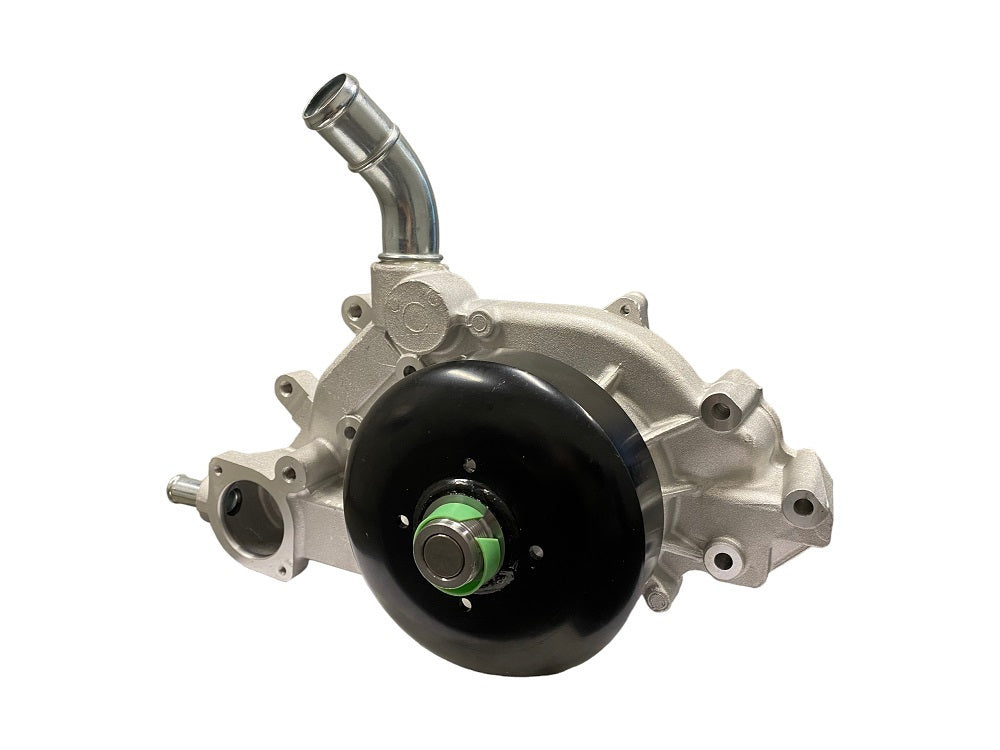
The Importance of Water Pumps: Ensuring Access to Clean Water
Water pumps play a crucial role in providing access to clean and safe water for various purposes, from household use to agricultural irrigation. These essential devices are designed to move water from one place to another efficiently, ensuring that water reaches where it is needed most. Let’s explore the importance of water pumps and their impact on our daily lives.
Household Use
In homes, water pumps are commonly used to supply water for drinking, cooking, cleaning, and bathing. Whether drawing water from a well, a municipal supply, or a storage tank, a reliable water pump ensures a steady flow of clean water for everyday needs. Without proper access to water pumps, households may face challenges in meeting their basic water requirements.
Agricultural Irrigation
For farmers and agricultural workers, water pumps are indispensable tools for irrigation purposes. By efficiently transferring water from sources such as rivers, lakes, or wells to fields and crops, these pumps help sustain agricultural productivity and ensure optimal growth conditions for plants. The use of water pumps in agriculture contributes significantly to food security and crop yield improvement.
Emergency Response
In emergency situations such as floods or natural disasters, water pumps play a critical role in dewatering flooded areas and facilitating drainage efforts. Rapid deployment of high-capacity pumps can help mitigate the impact of flooding by removing excess water and preventing further damage to infrastructure and property. Water pumps are essential assets in disaster response and recovery operations.
Sustainability Considerations
As concerns about environmental sustainability grow, the selection of energy-efficient and eco-friendly water pump technologies becomes increasingly important. By investing in modern pump systems that prioritize energy conservation and reduce carbon emissions, individuals and organizations can contribute to environmental protection efforts while ensuring reliable access to clean water.
Conclusion
Water pumps are vital components of our infrastructure that enable us to access clean water for various purposes efficiently. Whether in households, agriculture, or emergency response scenarios, the role of water pumps in ensuring adequate water supply cannot be overstated. By recognizing the importance of these devices and embracing sustainable pump technologies, we can work towards securing access to clean water for current and future generations.
7 Essential Tips for Maintaining Your Water Pump
- Ensure the pump is placed on a stable and level surface.
- Regularly check and clean the intake filter to prevent clogging.
- Inspect for any leaks in the pump’s connections and fittings.
- Follow manufacturer guidelines for proper maintenance and lubrication.
- Avoid running the pump dry as it can damage the motor.
- Monitor water levels to prevent overheating or running out of water.
- Store the pump in a dry and protected area when not in use.
Ensure the pump is placed on a stable and level surface.
To ensure the optimal performance and longevity of your water pump, it is essential to place the pump on a stable and level surface. A stable foundation helps prevent vibrations and excessive movement, which can lead to operational issues and potential damage to the pump over time. Additionally, a level surface ensures proper alignment of the pump components, allowing for efficient water flow and reducing strain on the motor. By following this simple tip and carefully positioning your water pump on a stable and level surface, you can enhance its reliability and effectiveness in delivering clean water for your needs.
Regularly check and clean the intake filter to prevent clogging.
Regularly checking and cleaning the intake filter of your water pump is a crucial maintenance tip to prevent clogging and ensure optimal performance. The intake filter serves as a barrier against debris and contaminants that can obstruct the flow of water, potentially causing damage to the pump. By incorporating this simple task into your regular maintenance routine, you can prolong the lifespan of your water pump, maintain efficient operation, and safeguard against potential issues that may arise from clogged filters. Taking proactive steps to keep the intake filter clean will help ensure a continuous supply of clean water for your household or agricultural needs.
Inspect for any leaks in the pump’s connections and fittings.
Regularly inspecting your water pump for any leaks in its connections and fittings is a crucial maintenance tip to ensure optimal performance and prevent potential water wastage. By identifying and addressing leaks promptly, you can avoid damage to the pump system, conserve water resources, and maintain a reliable supply of clean water for your household or irrigation needs. Checking for leaks in the pump’s connections should be part of your routine maintenance practices to promote efficiency and prolong the lifespan of your water pump.
Follow manufacturer guidelines for proper maintenance and lubrication.
Following the manufacturer’s guidelines for proper maintenance and lubrication is essential to ensure the optimal performance and longevity of your water pump. By adhering to these guidelines, you can prevent unnecessary wear and tear on the pump components, minimize the risk of breakdowns, and maintain efficient operation. Regular maintenance, including lubrication as recommended by the manufacturer, helps keep the pump running smoothly and extends its lifespan, ultimately saving you time and money in the long run. Prioritizing proper upkeep based on manufacturer instructions is key to maximizing the reliability and effectiveness of your water pump.
Avoid running the pump dry as it can damage the motor.
It is important to avoid running the water pump dry as this can lead to damage to the motor. When a pump operates without water, it causes overheating and excessive wear on the motor components, potentially resulting in permanent damage. Ensuring that the pump is adequately primed and water levels are maintained helps preserve the longevity and efficiency of the motor, ultimately extending the lifespan of the pump itself. By following this simple tip, you can protect your water pump from unnecessary wear and maintain optimal performance for continued use.
Monitor water levels to prevent overheating or running out of water.
Monitoring water levels is a crucial tip to ensure the optimal performance and longevity of a water pump. By regularly checking the water levels, individuals can prevent the pump from overheating due to running dry or operating with insufficient water. Maintaining adequate water levels not only safeguards the pump mechanism but also helps avoid potential damage that may occur when the pump is starved of water. This simple practice can significantly extend the lifespan of the water pump and enhance its efficiency in delivering clean and safe water for various applications.
Store the pump in a dry and protected area when not in use.
To maintain the longevity and performance of your water pump, it is advisable to store the pump in a dry and protected area when not in use. Storing the pump in a dry environment helps prevent moisture-related damage and corrosion, preserving its components for optimal functioning. By keeping the pump protected from dust, debris, and potential impacts, you can ensure that it remains in good condition and ready for reliable operation when needed. Proper storage practices contribute to extending the lifespan of your water pump and minimizing the need for repairs or replacements in the future.