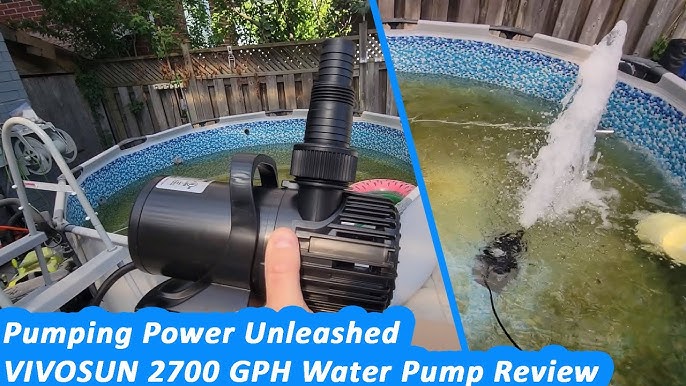
The Importance of Water Pumping in Flood Management
Flooding is a natural disaster that can cause significant damage to homes, infrastructure, and the environment. When floodwaters rise, one crucial tool that plays a vital role in managing the situation is water pumping.
How Water Pumping Works
Water pumping involves the use of pumps to remove excess water from flooded areas. These pumps are designed to efficiently extract water and redirect it away from properties and critical infrastructure. By controlling the water levels, pumping helps prevent further damage and facilitates the recovery process.
The Benefits of Water Pumping
Effective water pumping offers several benefits in flood management:
- Rapid Water Removal: Pumps can quickly remove large volumes of water, helping to lower flood levels and reduce the risk of extensive damage.
- Protecting Property: By removing water from flooded areas, pumping helps protect homes, businesses, and public facilities from structural harm.
- Ensuring Safety: Lowering water levels enhances safety by reducing the risk of accidents and health hazards associated with flooding.
- Promoting Recovery: Efficient water pumping accelerates the recovery process by enabling residents to return to their homes sooner and facilitating cleanup efforts.
Types of Water Pumps
Various types of pumps are used in flood management, including submersible pumps, centrifugal pumps, and trash pumps. Each type has specific capabilities suited for different scenarios, such as deep flooding or debris-laden waters.
Professional Water Pumping Services
In situations where flooding is severe or widespread, professional water pumping services play a crucial role. Experienced teams equipped with specialized pumps can efficiently address large-scale flooding events and provide essential support to affected communities.
In Conclusion
Water pumping is an essential component of flood management strategies. By swiftly removing excess water from flooded areas, pumps help mitigate damage, protect property, ensure safety, and expedite recovery efforts. Investing in effective water pumping solutions is key to enhancing resilience in the face of flooding disasters.
9 Essential Tips for Efficient and Safe Water Pump Operation
- Ensure the pump is placed on a stable and level surface.
- Regularly check and clean the pump’s intake to prevent clogging.
- Inspect and tighten any loose connections in the pump system.
- Use the correct size and type of hose for efficient water flow.
- Monitor the pump’s oil levels and change it as recommended by the manufacturer.
- Protect the pump from extreme weather conditions to prolong its lifespan.
- Follow proper safety precautions when operating or maintaining the pump.
- Consider installing a filter to prevent debris from entering the pump.
- Consult the user manual for specific maintenance guidelines.
Ensure the pump is placed on a stable and level surface.
To ensure efficient water pumping operations, it is crucial to place the pump on a stable and level surface. A stable foundation helps prevent the pump from shifting or vibrating excessively during operation, which can lead to performance issues or damage. Additionally, a level surface ensures proper alignment and operation of the pump, allowing it to function optimally and extract water effectively. By adhering to this tip and securing the pump on a stable and level base, you can enhance its efficiency and prolong its lifespan in flood management scenarios.
Regularly check and clean the pump’s intake to prevent clogging.
Regularly checking and cleaning the pump’s intake is a crucial tip to ensure efficient water pumping operations. Clogging in the intake can significantly hinder the pump’s performance and reduce its effectiveness in removing water from flooded areas. By maintaining a clean intake, you can prevent blockages, extend the pump’s lifespan, and optimize its functionality during critical flood management situations. Prioritizing this simple maintenance task can help avoid potential disruptions and ensure that the pump operates smoothly when needed most.
Inspect and tighten any loose connections in the pump system.
To ensure the efficient operation of your water pumping system, it is essential to regularly inspect and tighten any loose connections. Loose connections can lead to inefficiencies, leaks, and potential malfunctions in the pump system. By conducting routine checks and tightening any loose fittings, you can maintain the integrity of the system, prevent water wastage, and prolong the lifespan of your pump. This simple tip helps to optimize performance and reliability, ensuring that your water pumping system operates smoothly when needed most.
Use the correct size and type of hose for efficient water flow.
To ensure efficient water flow during pumping operations, it is crucial to use the correct size and type of hose. Selecting a hose that matches the pump’s capacity and discharge requirements is essential for optimal performance. Using an improperly sized or incompatible hose can lead to reduced water flow, inefficiency, and potential damage to the equipment. By choosing the right hose for the job, you can maximize the effectiveness of water pumping efforts and contribute to successful flood management outcomes.
Monitor the pump’s oil levels and change it as recommended by the manufacturer.
To ensure the optimal performance of your water pump during flood management activities, it is essential to monitor the pump’s oil levels regularly and adhere to the manufacturer’s recommended oil change schedule. Proper maintenance of the pump’s oil not only prolongs the equipment’s lifespan but also enhances its efficiency in removing excess water from flooded areas. By following the manufacturer’s guidelines for oil changes, you can prevent potential damage to the pump and ensure reliable operation when it is needed most.
Protect the pump from extreme weather conditions to prolong its lifespan.
To prolong the lifespan of your water pump, it is crucial to protect it from extreme weather conditions. Exposure to harsh elements such as heavy rain, extreme heat, or freezing temperatures can damage the pump’s components and reduce its efficiency. By safeguarding the pump from adverse weather, you can ensure its longevity and maintain optimal performance when dealing with flood management tasks. Regular maintenance and proper storage in a sheltered environment are essential practices to preserve the functionality of your water pump over time.
Follow proper safety precautions when operating or maintaining the pump.
It is crucial to follow proper safety precautions when operating or maintaining a water pump. Safety measures such as wearing appropriate protective gear, ensuring the pump is securely positioned, and understanding the equipment’s operational guidelines can help prevent accidents and injuries. By prioritizing safety protocols, individuals can effectively manage water pumping tasks while minimizing risks and ensuring a safe working environment for themselves and others involved in flood management efforts.
Consider installing a filter to prevent debris from entering the pump.
When engaging in water pumping activities, it is advisable to consider installing a filter to safeguard the pump from debris infiltration. By incorporating a filter into the system, you can effectively prevent unwanted materials from entering the pump and causing potential clogs or damage. This proactive measure not only helps maintain the pump’s efficiency but also prolongs its lifespan, ensuring smooth operation during flood management scenarios.
Consult the user manual for specific maintenance guidelines.
When utilizing water pumping equipment, it is advisable to refer to the user manual for detailed maintenance instructions. The user manual provides specific guidelines on how to properly care for and maintain the pump, ensuring its optimal performance and longevity. By following the maintenance recommendations outlined in the manual, users can prevent potential issues, extend the lifespan of the equipment, and promote efficient operation during flood management activities.