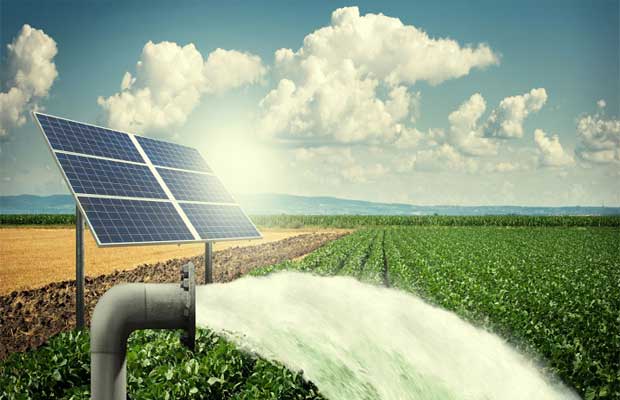
The Importance of Pumping Water: A Guide to Effective Water Management
Water pumping plays a crucial role in various industries, agriculture, and emergency situations. Whether it’s for irrigation, drainage, or flood control, the ability to efficiently pump water is essential for maintaining operations and managing resources effectively.
Types of Water Pumps
There are different types of water pumps designed for specific purposes:
- Centrifugal Pumps: Commonly used for moving water from one location to another. They are versatile and suitable for a wide range of applications.
- Submersible Pumps: Ideal for pumping water from wells, tanks, or flooded areas. They are submerged in the fluid being pumped.
- Sump Pumps: Used to remove excess water from basements or low-lying areas prone to flooding.
- Dewatering Pumps: Specifically designed for removing water from construction sites, mines, or other areas with excessive groundwater.
The Benefits of Proper Water Pumping
Effective water pumping offers several benefits:
- Resource Management: By efficiently moving water where it is needed, pumping helps conserve and distribute this vital resource effectively.
- Flood Control: During heavy rains or natural disasters, pumps can help control flooding by redirecting excess water away from populated areas.
- Irrigation Efficiency: Agricultural operations rely on pumps to deliver water to crops, ensuring optimal growth and yield.
- Maintenance of Operations: Industries such as mining and construction depend on pumps to manage water levels and prevent disruptions in production.
Tips for Efficient Water Pumping
To maximize the effectiveness of your water pumping system, consider the following tips:
- Maintain Regular Inspections: Check pump components regularly for wear and tear to prevent breakdowns and ensure smooth operation.
- Select the Right Pump Type: Choose a pump that aligns with your specific needs and requirements to optimize performance.
- Mind Power Consumption: Opt for energy-efficient pumps to reduce operating costs and minimize environmental impact.
- Familiarize Yourself with Safety Guidelines: Follow recommended safety protocols when handling pumps to prevent accidents and injuries.
5 Essential Tips for Efficient and Reliable Water Pumping
- Ensure the pump is placed close to the water source for better efficiency.
- Regularly check and clean the pump’s intake to prevent clogging and damage.
- Use a pump with the appropriate capacity for your water pumping needs.
- Consider using a filter or screen at the intake to prevent debris from entering the pump.
- Monitor the water levels to avoid running the pump dry, which can cause damage.
Ensure the pump is placed close to the water source for better efficiency.
Placing the pump close to the water source is a crucial tip for maximizing efficiency in water pumping operations. By positioning the pump near the water source, you reduce the distance water needs to travel, minimizing energy loss and improving overall performance. This setup not only increases the pump’s effectiveness but also helps conserve energy and resources, making the pumping process more cost-effective and sustainable.
Regularly check and clean the pump’s intake to prevent clogging and damage.
Regularly checking and cleaning the pump’s intake is a crucial maintenance tip to prevent clogging and damage. Over time, debris, dirt, or other particles can accumulate in the intake, obstructing the flow of water and reducing the pump’s efficiency. By maintaining a clean intake, you ensure that the pump can function optimally, prolonging its lifespan and preventing costly repairs. This simple yet essential task helps to safeguard the pump’s performance and reliability when moving water for various applications.
Use a pump with the appropriate capacity for your water pumping needs.
Using a pump with the appropriate capacity for your water pumping needs is crucial for efficient and effective water management. Selecting a pump that matches the required flow rate and pressure ensures optimal performance and prevents overworking the equipment. By choosing the right capacity pump, you can avoid potential issues such as inefficiency, increased energy consumption, and premature wear and tear. It is essential to assess your specific water pumping requirements carefully to select a pump that can meet the demands of your application effectively.
Consider using a filter or screen at the intake to prevent debris from entering the pump.
To ensure efficient water pumping operations, it is advisable to consider incorporating a filter or screen at the intake point of the pump. This precautionary measure helps prevent debris and contaminants from entering the pump system, reducing the risk of clogs, damage, and operational disruptions. By filtering out unwanted particles at the intake, you can maintain the pump’s performance and prolong its lifespan, ultimately promoting smoother and more reliable water pumping processes.
Monitor the water levels to avoid running the pump dry, which can cause damage.
Monitoring the water levels is a critical tip in water pumping to prevent running the pump dry, which can lead to significant damage. Ensuring that there is an adequate supply of water for the pump to operate effectively not only protects the equipment from potential harm but also maintains efficiency in water management. By staying vigilant and regularly checking the water levels, operators can avoid unnecessary downtime and costly repairs, ultimately prolonging the lifespan of the pump and promoting smooth operation.