Essential Items for Your Survival Kit
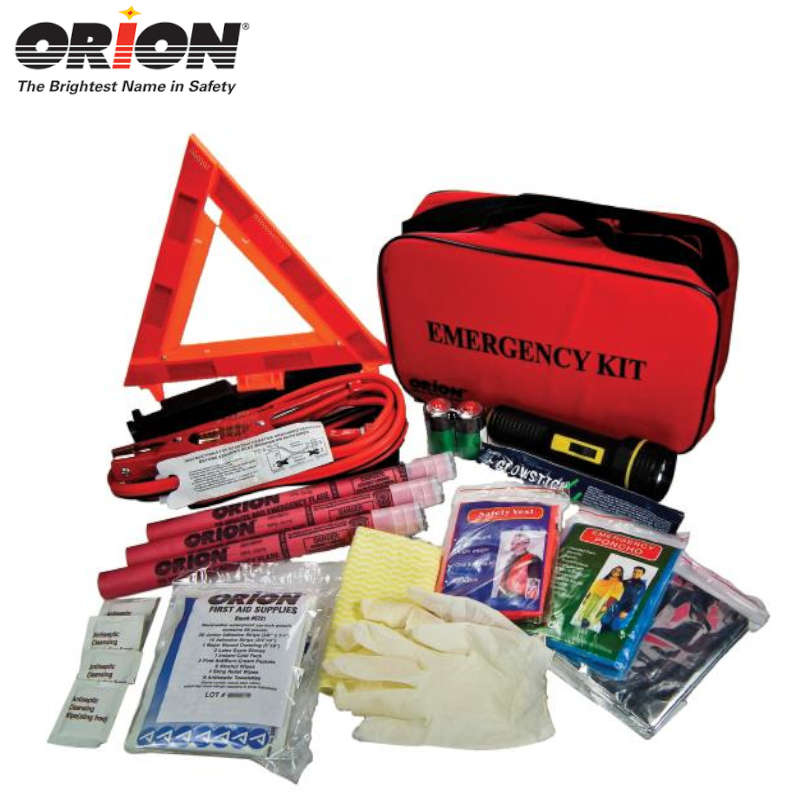
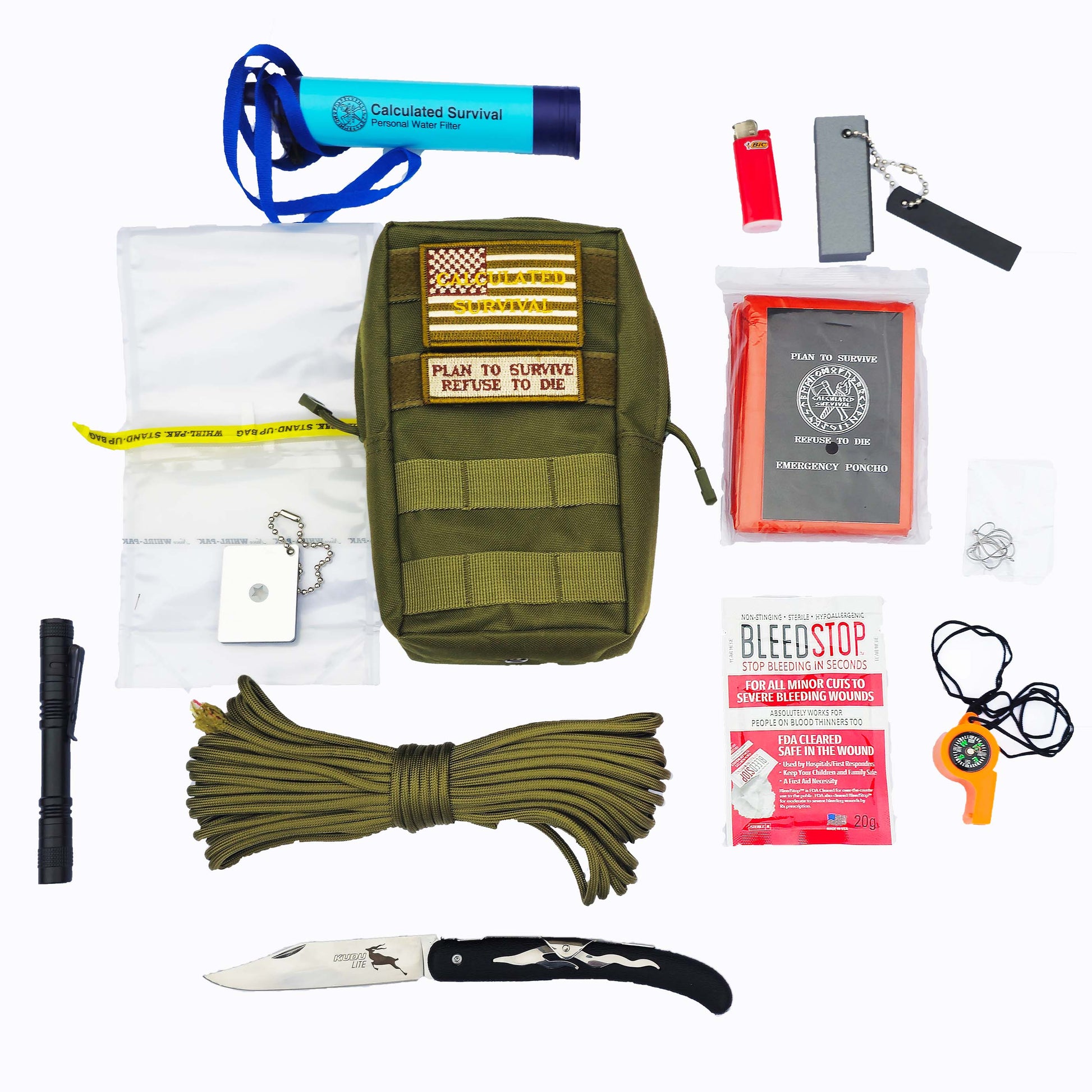
When preparing for emergencies or outdoor adventures, having a well-stocked survival kit can make all the difference. Here are some essential items to include in your survival kit:
Water and Water Purification
Water is crucial for survival. Pack enough water bottles or a water filtration system to ensure you have access to clean drinking water.
Food Supplies
Pack non-perishable food items such as energy bars, canned goods, and dried fruits. Make sure to include a manual can opener if needed.
First Aid Kit
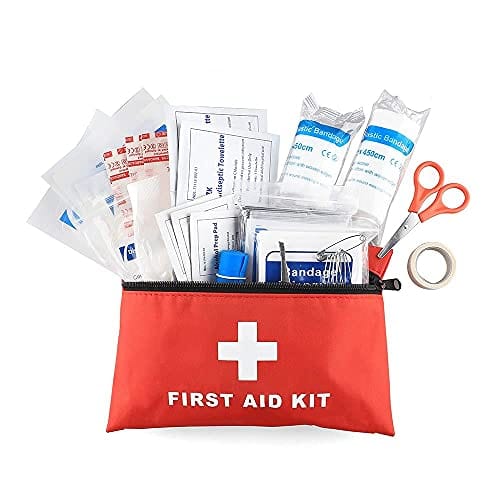
A comprehensive first aid kit should include bandages, antiseptic wipes, pain relievers, and any necessary medications for you and your family members.
Emergency Shelter
Pack a lightweight emergency blanket or tent to provide shelter from the elements in case you need to spend the night outdoors.
Multi-Tool or Swiss Army Knife
A versatile tool like a multi-tool or Swiss Army knife can come in handy for various tasks such as cutting, opening cans, or fixing equipment.
Flashlight and Batteries
Ensure you have a reliable flashlight with extra batteries to provide light during dark hours or in low visibility conditions.
Whistle and Signal Mirror
Include a whistle to signal for help and a mirror to reflect sunlight for signaling rescuers in case of emergencies.
Personal Hygiene Items
Pack essentials like toothbrushes, toothpaste, soap, and hand sanitizer to maintain personal hygiene even in challenging situations.
Cash and Important Documents
Keep some cash in small denominations and copies of important documents such as identification cards, insurance papers, and emergency contacts list in waterproof bags.
Remember to customize your survival kit based on your specific needs and the environment you’ll be facing. Regularly check and update your supplies to ensure everything is in good condition when needed most.
Essential FAQs for Building the Ultimate Survival Kit
- What should I include in a basic survival kit?
- How much water should I pack in my survival kit?
- What are the essential food items for a survival kit?
- Can you recommend a reliable first aid kit for emergencies?
- Do I need to pack emergency shelter in my survival kit?
- What tools should I have in a multi-purpose survival tool or knife?
- How long do flashlight batteries typically last in a survival situation?
- Why is it important to have personal hygiene items in a survival kit?
What should I include in a basic survival kit?
When assembling a basic survival kit, it is essential to include key items that can help you navigate through emergencies effectively. Some crucial components to consider for your basic survival kit are water, food supplies, a first aid kit, emergency shelter, a multi-tool or Swiss Army knife, a flashlight with spare batteries, signaling devices like a whistle and signal mirror, personal hygiene items, cash in small denominations, and copies of important documents. These items are fundamental in providing sustenance, safety, and essential tools for communication and navigation during unexpected situations. Customize your survival kit based on your specific needs and environment to ensure you are well-prepared for any potential emergencies.
How much water should I pack in my survival kit?
When considering how much water to pack in your survival kit, it’s recommended to follow the general guideline of having at least one gallon of water per person per day for drinking and sanitation needs. However, this amount can vary depending on factors such as climate, physical activity level, and the availability of water sources in your environment. It’s crucial to assess your specific situation and adjust the quantity of water accordingly to ensure you have an adequate supply for hydration and emergency use in challenging situations. Additionally, consider including water purification methods or portable filters in your kit to supplement your water reserves if needed.
What are the essential food items for a survival kit?
When considering essential food items for a survival kit, it is important to prioritize non-perishable and high-energy options that can sustain you during emergencies. Some recommended food items to include in a survival kit are energy bars, canned goods (such as beans, tuna, or soups), dried fruits, nuts, and jerky. These items provide necessary nutrients and calories to keep you fueled and nourished in challenging situations. It is also advisable to pack foods that require minimal preparation or cooking, as well as items with a long shelf life to ensure they remain edible for an extended period. Additionally, consider individual dietary needs and preferences when selecting food items for your survival kit to ensure you have sustenance that meets your requirements.
Can you recommend a reliable first aid kit for emergencies?
When seeking a reliable first aid kit for emergencies, it is essential to prioritize quality and comprehensiveness. Look for a kit that includes a variety of bandages, antiseptic wipes, pain relievers, sterile gauze pads, adhesive tape, and essential medications. Brands like Adventure Medical Kits, First Aid Only, and Surviveware offer well-equipped kits designed for various emergency situations. Consider the size of the kit based on your needs, whether for home use, outdoor adventures, or travel. Additionally, ensure the first aid kit is compact, portable, and easily accessible in times of need.
Do I need to pack emergency shelter in my survival kit?
When considering what to include in your survival kit, the question of whether to pack emergency shelter is a crucial one. Having a lightweight emergency blanket or tent in your kit can provide essential protection from the elements in case you find yourself stranded or needing to spend the night outdoors. Emergency shelters can help maintain body temperature and protect you from wind, rain, or snow, increasing your chances of survival during unexpected situations. Including emergency shelter in your survival kit ensures that you are prepared for various scenarios and have a reliable means of staying safe and comfortable when faced with emergencies.
What tools should I have in a multi-purpose survival tool or knife?
When considering what tools to have in a multi-purpose survival tool or knife, it is essential to prioritize versatility and functionality. Common tools found in these multi-tools include a blade for cutting tasks, a screwdriver for various repairs, a can opener for accessing food supplies, and a bottle opener for convenience. Additionally, tools like pliers, scissors, saw blades, and wire cutters can be valuable additions for handling different survival situations effectively. Choosing a multi-purpose tool with a combination of essential functions can enhance your preparedness and resourcefulness in outdoor adventures or emergency scenarios.
How long do flashlight batteries typically last in a survival situation?
In a survival situation, the longevity of flashlight batteries can vary depending on factors such as the type of batteries used, the quality of the flashlight, and how frequently the flashlight is used. Generally, alkaline batteries can last anywhere from 8 to 48 hours of continuous use, while lithium batteries have a longer lifespan and can provide power for up to 10 years in storage. It is crucial to conserve battery power by using the flashlight only when necessary and keeping spare batteries in your survival kit for emergencies. Regularly checking and replacing batteries will ensure that your flashlight remains a reliable source of light during critical times.
Why is it important to have personal hygiene items in a survival kit?
Personal hygiene items are essential components of a survival kit for several reasons. Maintaining proper hygiene not only helps prevent the spread of germs and infections but also contributes to overall well-being and morale during challenging situations. In emergency scenarios, access to clean water and soap may be limited, making personal hygiene items like toothbrushes, toothpaste, soap, and hand sanitizer invaluable for staying healthy and comfortable. By including these items in a survival kit, individuals can uphold their hygiene standards, reduce the risk of illness, and preserve a sense of normalcy even in adverse conditions.