The Essential Guide to Building a Survival First Aid Kit
When it comes to emergencies and disasters, having a well-equipped first aid kit can make all the difference in ensuring your safety and that of others around you. A survival first aid kit is a crucial tool for handling injuries and medical emergencies in challenging situations where professional medical help may not be readily available. Here’s a comprehensive guide to building your own survival first aid kit:
Essential Items for Your Survival First Aid Kit:
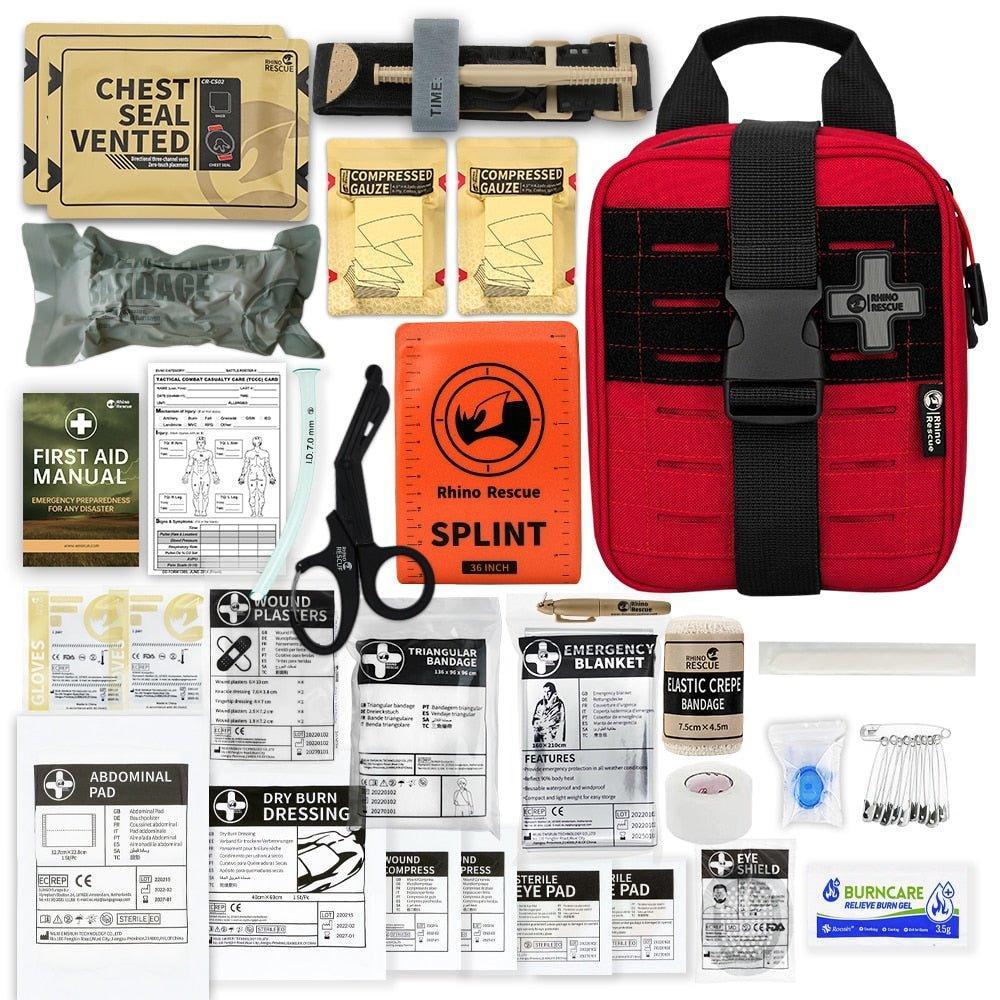
- Bandages and Dressings: Include adhesive bandages, sterile gauze pads, adhesive tape, and elastic bandages for wound care.
- Cleansing Agents: Pack antiseptic wipes, alcohol pads, and hydrogen peroxide for cleaning wounds.
- Tools and Instruments: Carry scissors, tweezers, safety pins, and a thermometer for various medical needs.
- Pain Relief Medications: Have over-the-counter pain relievers such as ibuprofen or acetaminophen for managing pain and fever.
- Allergy Medications: Include antihistamines for allergic reactions or insect bites.
- Burn Cream or Gel: Pack burn ointment to treat minor burns effectively.
- Splinting Materials: Carry splints or materials to improvise splints for stabilizing fractures or sprains.
- Tourniquet: Include a tourniquet as a last resort for severe bleeding control.
Tips for Building Your Survival First Aid Kit:
To ensure your first aid kit is effective in times of need, consider the following tips:
- Frequent Inspection: Regularly check your kit to ensure all items are up-to-date and in good condition.
- Pack Personal Medications: If you have specific medical needs, include an ample supply of your prescription medications in the kit.
- Add Emergency Contact Information: Keep a list of emergency contacts, including family members and healthcare providers, inside the kit.
- CPR Instructions: Include CPR instructions or enroll in a CPR training course to be prepared for cardiac emergencies.
In Conclusion
A well-prepared survival first aid kit can be a lifesaver during emergencies. By assembling essential supplies and following best practices for first aid preparedness, you can increase your ability to respond effectively to medical situations when immediate help is not accessible. Remember that being proactive in building your survival first aid kit can contribute significantly to your safety and well-being in unforeseen circumstances.
Essential Information About Survival First Aid Kits: Must-Have Items and Tips for Free Access
- What do you need in a survival first aid kit?
- What are 10 items in a survival kit?
- What are 10 important items in a first aid kit?
- How to get a first aid kit for free?
What do you need in a survival first aid kit?
When considering what to include in a survival first aid kit, it is essential to prioritize items that can address a range of potential medical emergencies in challenging situations. Key components to consider for a comprehensive survival first aid kit include bandages, wound dressings, cleansing agents, tools like scissors and tweezers, pain relief medications, allergy medications, burn care products, splinting materials, and a tourniquet for severe bleeding control. By ensuring that your first aid kit is well-stocked with these essential items and regularly maintained and updated, you can enhance your preparedness to handle injuries and medical emergencies effectively when professional help may be limited or unavailable.
What are 10 items in a survival kit?
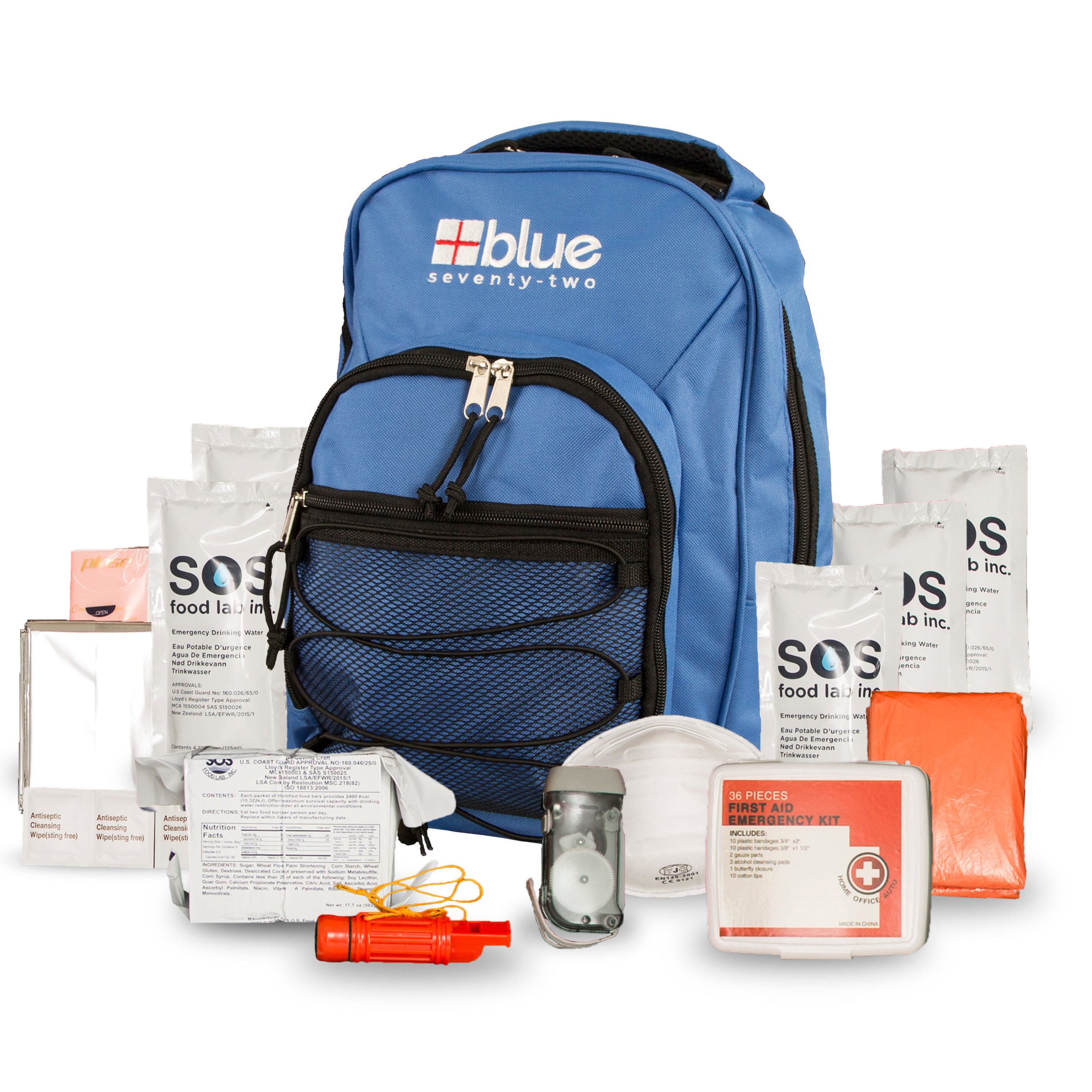
When assembling a survival kit, it is essential to include key items that can help you navigate emergencies effectively. Ten crucial items to consider including in a survival kit are: water purification tablets or filters, non-perishable food supplies, a multi-tool for various tasks, a flashlight with extra batteries, a first aid kit for medical emergencies, a reliable communication device such as a whistle or signaling mirror, emergency blankets or sleeping bags for warmth, waterproof matches or a fire starter, a compass for navigation, and durable rope or paracord for various uses. These items are vital for addressing basic needs like shelter, sustenance, communication, and safety in challenging situations.
What are 10 important items in a first aid kit?
When assembling a first aid kit for survival situations, it is crucial to include essential items that can address a range of medical emergencies effectively. Ten important items to consider for your survival first aid kit are adhesive bandages, sterile gauze pads, adhesive tape, antiseptic wipes, scissors, tweezers, pain relievers, antihistamines, burn ointment, and splinting materials. These items can help you manage wounds, injuries, allergic reactions, pain relief, and other medical needs during emergencies where professional medical assistance may be limited or unavailable. It is vital to regularly check and update your first aid kit to ensure that these key items are readily available when needed most.
How to get a first aid kit for free?
Obtaining a first aid kit for free can be possible through various channels. One common way to acquire a free first aid kit is by attending community health fairs, safety events, or disaster preparedness workshops where organizations or sponsors often distribute complimentary kits. Additionally, some workplaces, schools, or healthcare facilities may offer free first aid kits to employees, students, or visitors as part of their safety initiatives. Another option is to check with local emergency response agencies or non-profit organizations that sometimes provide free first aid kits to promote public safety and preparedness. Keeping an eye out for promotions or campaigns focused on emergency preparedness can also lead to opportunities to receive a free first aid kit.