Move to Higher Ground: A Crucial Step in Flood Preparedness
When faced with the threat of a flood, one of the most important actions you can take to ensure your safety is to move to higher ground. Whether you live in a flood-prone area or are caught in a sudden flash flood, seeking elevation can be a life-saving decision.
Here are some key reasons why moving to higher ground is essential during a flood:
Avoiding Rising Water Levels
Floodwaters can rise rapidly and overwhelm low-lying areas, posing a significant risk to individuals and property. Moving to higher ground reduces the likelihood of being trapped or swept away by swift currents.
Ensuring Access to Safety
High ground provides a safer refuge during a flood event, allowing you to stay above water levels and away from potential hazards such as debris or contaminated water.
Improving Communication and Rescue Efforts
Being on higher ground makes it easier for emergency responders to locate and assist you if needed. It also enables better communication with authorities and facilitates rescue operations.
Minimizing Property Damage
Elevating yourself and your belongings reduces the risk of damage caused by flooding. Moving important items to higher ground can help protect them from water intrusion and minimize losses.
In Conclusion
Prioritizing your safety during a flood means understanding the importance of moving to higher ground. By taking this proactive step, you can significantly reduce the risks associated with flooding and increase your chances of staying safe in challenging circumstances.
Essential Tips for Safely Moving to Higher Ground During Flood Risks
- Stay informed about weather conditions and potential flooding risks in your area.
- Have an emergency plan in place for yourself, your family, and your pets.
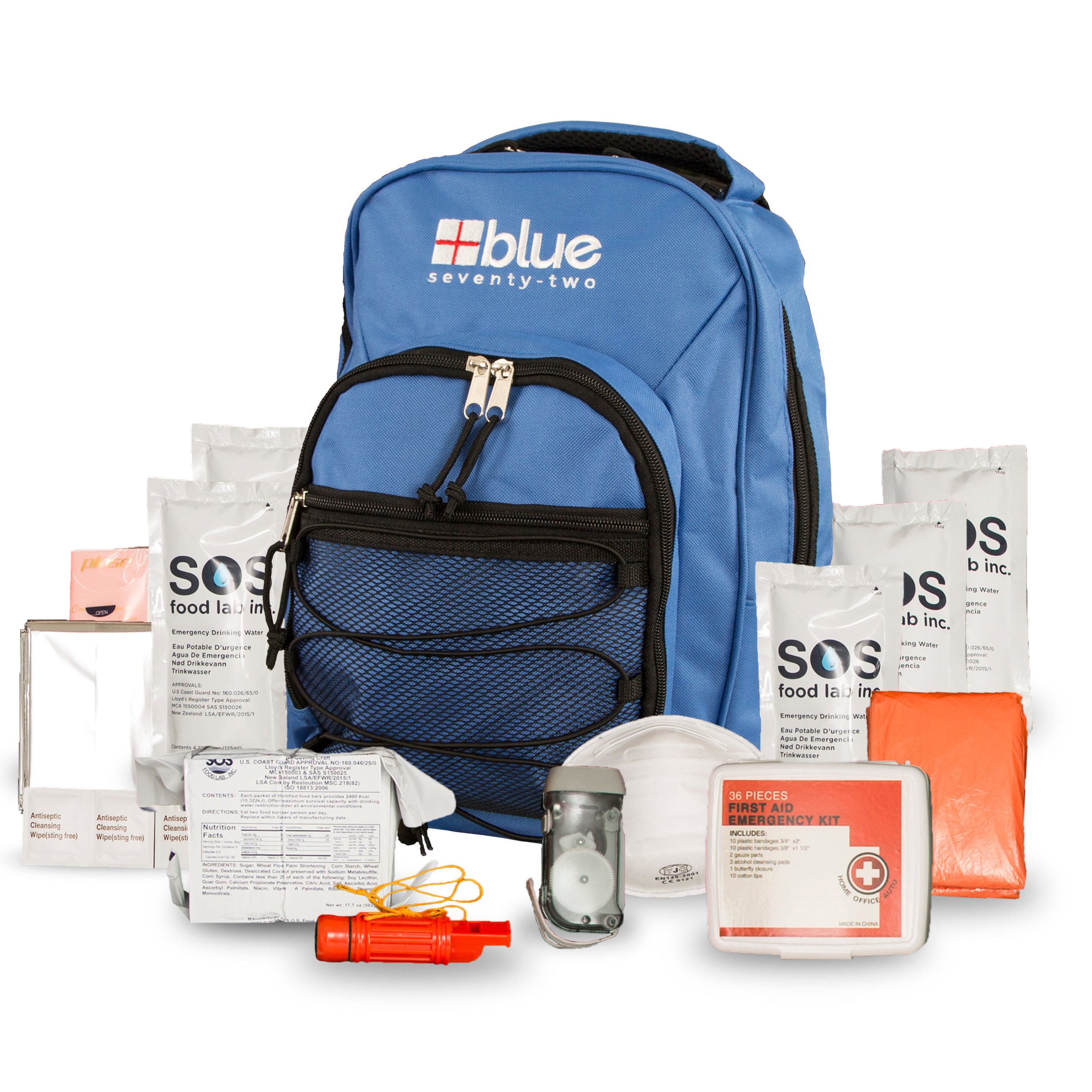
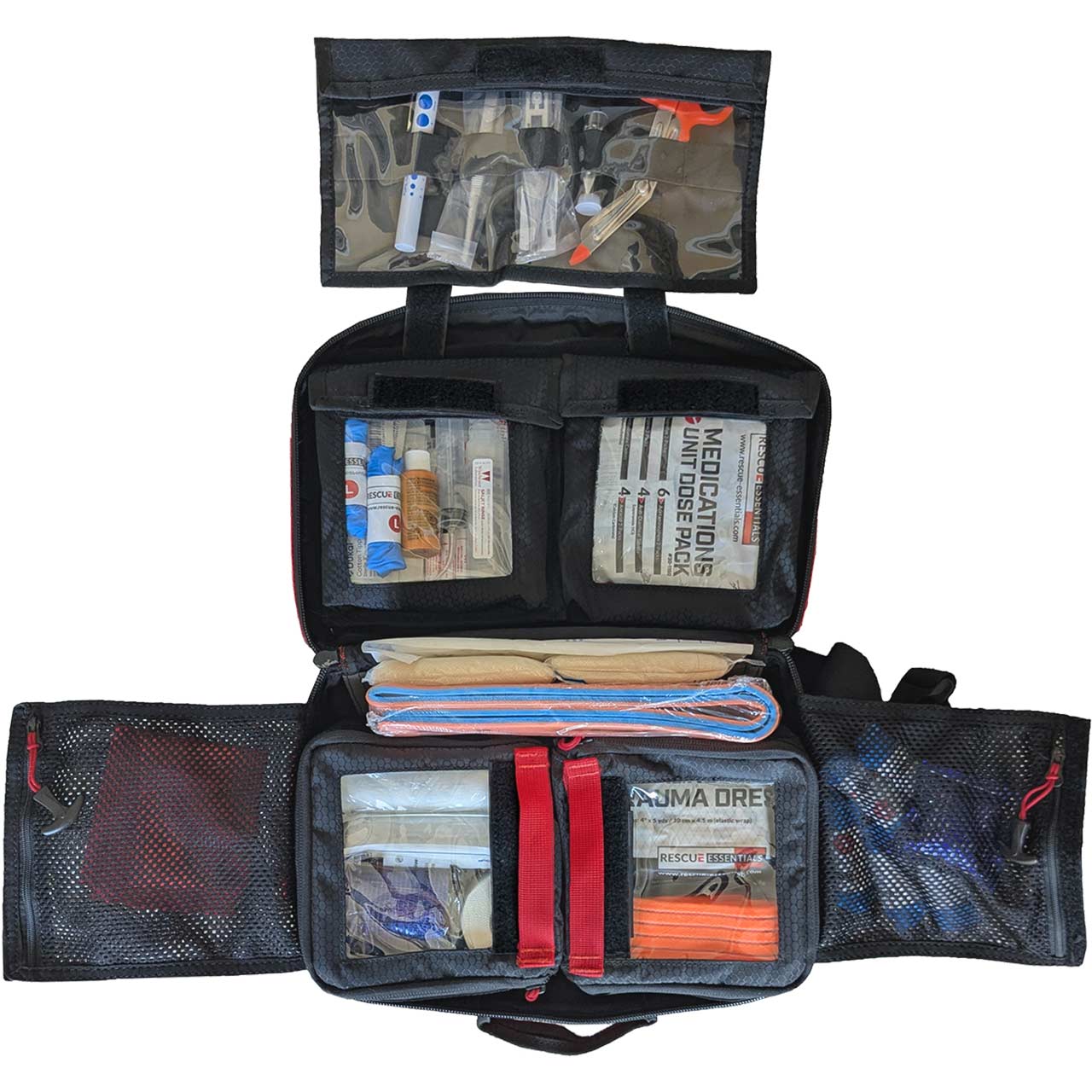
- Prepare a disaster supply kit with essential items such as food, water, medications, and important documents.
- If authorities advise evacuation to higher ground, follow their instructions promptly and safely.
- Avoid driving through flooded areas or standing water as it may be deeper than it appears.
- Keep communication devices charged and have a way to receive emergency alerts.
Stay informed about weather conditions and potential flooding risks in your area.
Staying informed about weather conditions and potential flooding risks in your area is crucial when considering the tip to move to higher ground during a flood. By monitoring weather updates and flood alerts, you can proactively assess the level of risk and make timely decisions to ensure your safety. Being aware of changing conditions allows you to take action swiftly, such as relocating to elevated areas before floodwaters rise. Stay connected to reliable sources of information and stay vigilant in order to effectively navigate flood threats and protect yourself and your loved ones.
Have an emergency plan in place for yourself, your family, and your pets.
Having an emergency plan in place for yourself, your family, and your pets is crucial when considering the tip to move to higher ground during a flood. Establishing a comprehensive plan that includes evacuation routes, designated meeting points, and necessary supplies ensures that everyone knows what to do in case of a flood emergency. Remember to include provisions for your pets, such as food, water, and carriers, to ensure their safety as well. By preparing ahead of time, you can act swiftly and confidently when the need arises to move to higher ground for protection.
Prepare a disaster supply kit with essential items such as food, water, medications, and important documents.
Preparing a disaster supply kit with essential items is crucial when moving to higher ground during a flood. Including items such as non-perishable food, bottled water, medications, and important documents in your kit ensures that you have the necessary resources to sustain yourself and your family in case of an emergency. By having these supplies readily available, you can focus on reaching higher ground safely and confidently, knowing that you are equipped to handle unforeseen challenges that may arise during a flood event.
If authorities advise evacuation to higher ground, follow their instructions promptly and safely.
In the event that authorities recommend evacuation to higher ground, it is crucial to heed their advice promptly and prioritize safety above all else. Following official instructions ensures that you are taking the necessary steps to protect yourself and your loved ones from the potential dangers of flooding. By acting swiftly and responsibly, you not only increase your own chances of survival but also contribute to a more coordinated and effective emergency response effort. Trusting in the guidance of authorities can make a significant difference in safeguarding lives and minimizing the impact of natural disasters.
Avoid driving through flooded areas or standing water as it may be deeper than it appears.
It is crucial to avoid driving through flooded areas or standing water during a flood as it may be deeper than it appears. Even shallow-looking water can conceal hidden dangers such as debris, road damage, or strong currents that can sweep vehicles away. By heeding this advice and refraining from attempting to navigate flooded roads, individuals can protect themselves and their vehicles from potential harm and ensure their safety during hazardous conditions.
Keep communication devices charged and have a way to receive emergency alerts.
During a flood emergency, it is crucial to keep communication devices charged and have a way to receive emergency alerts when moving to higher ground. Access to reliable communication can provide vital information about evacuation routes, weather updates, and rescue efforts. By ensuring that your devices are powered and that you have a means to receive alerts, you can stay informed and connected during a crisis, enhancing your ability to respond effectively and seek help if needed.