Meteorological Monitoring: Enhancing Weather Forecasting and Disaster Preparedness
Meteorological monitoring plays a crucial role in understanding and predicting weather patterns, which is essential for various sectors ranging from agriculture to aviation. By collecting data on atmospheric conditions such as temperature, humidity, wind speed, and precipitation, meteorologists can analyze trends and make informed forecasts.
One of the key benefits of meteorological monitoring is its contribution to disaster preparedness. By continuously monitoring weather conditions, meteorologists can issue timely warnings for severe weather events like hurricanes, tornadoes, and floods. These early warnings help authorities and communities prepare for potential disasters, evacuate areas at risk, and minimize the impact on lives and property.
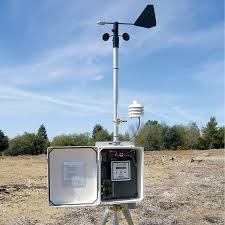
Advancements in technology have revolutionized meteorological monitoring. Automated weather stations equipped with sensors collect real-time data that is transmitted to central databases for analysis. Satellite imagery provides a broader perspective of global weather patterns, enabling meteorologists to track storms and monitor climate changes on a larger scale.
Meteorological monitoring also plays a vital role in climate research and environmental studies. By analyzing long-term data trends, scientists can gain insights into climate change patterns, assess the impact of human activities on the environment, and develop sustainable solutions to mitigate risks associated with changing weather patterns.
In conclusion, meteorological monitoring is an indispensable tool for enhancing weather forecasting accuracy and improving disaster preparedness efforts. By investing in advanced monitoring technologies and data analysis techniques, we can better understand our ever-changing climate and take proactive measures to protect lives and safeguard our planet.
Understanding Meteorological Monitoring: Key Questions and Insights
- What is meteorological monitoring?
- Why is meteorological monitoring important?
- How does meteorological monitoring help in weather forecasting?
- What are the key parameters measured in meteorological monitoring?
- What technologies are used for meteorological monitoring?
- How often is meteorological data collected and analyzed?
- Who uses the data collected from meteorological monitoring stations?
- How does meteorological monitoring contribute to disaster preparedness?
What is meteorological monitoring?
Meteorological monitoring refers to the systematic collection and analysis of atmospheric data to understand and predict weather patterns. It involves the continuous observation of various meteorological parameters such as temperature, humidity, air pressure, wind speed, and precipitation. By monitoring these factors using advanced technologies like weather stations, satellites, and radar systems, meteorologists can generate accurate weather forecasts and issue timely warnings for severe weather events. Meteorological monitoring plays a critical role in disaster preparedness, climate research, and environmental studies by providing essential data for decision-making and risk assessment.
Why is meteorological monitoring important?
Meteorological monitoring is crucial for a variety of reasons. By continuously observing and analyzing atmospheric conditions, meteorologists can provide accurate weather forecasts, issue timely warnings for severe weather events, and help communities prepare for potential disasters. The data collected through meteorological monitoring also contributes to climate research, enabling scientists to study long-term trends, assess the impact of human activities on the environment, and develop sustainable solutions to address climate change challenges. Ultimately, meteorological monitoring plays a vital role in enhancing public safety, protecting lives and property, and advancing our understanding of the complex dynamics of the Earth’s atmosphere.
How does meteorological monitoring help in weather forecasting?
Meteorological monitoring plays a crucial role in weather forecasting by providing real-time data on various atmospheric conditions such as temperature, humidity, air pressure, wind speed, and precipitation. This continuous collection of meteorological data allows meteorologists to analyze current weather patterns, detect trends, and make predictions about future weather conditions. By monitoring changes in the atmosphere and tracking weather systems over time, meteorologists can develop accurate forecasts that help individuals, communities, and industries prepare for upcoming weather events, mitigate risks associated with severe weather phenomena, and make informed decisions to ensure safety and well-being.
What are the key parameters measured in meteorological monitoring?
In meteorological monitoring, several key parameters are measured to understand and predict weather patterns effectively. These parameters include temperature, humidity, wind speed and direction, air pressure, precipitation levels, cloud cover, and visibility. By monitoring these essential variables, meteorologists can analyze atmospheric conditions comprehensively and generate accurate weather forecasts. Each parameter plays a critical role in shaping weather patterns and influences various aspects of our daily lives, from agricultural practices to aviation operations. Understanding and tracking these key parameters are fundamental to enhancing meteorological monitoring capabilities and improving disaster preparedness efforts.
What technologies are used for meteorological monitoring?
Various technologies are utilized for meteorological monitoring to gather essential data on atmospheric conditions. Some common tools include weather stations equipped with sensors to measure temperature, humidity, wind speed, and precipitation levels. Doppler radar systems are employed to track storms and monitor severe weather patterns in real-time. Satellite imagery provides a broader perspective of global weather patterns, allowing meteorologists to analyze cloud cover, sea surface temperatures, and other climatic variables. Additionally, advanced computer models and data analysis software help process the collected data and generate accurate weather forecasts. These technologies work together to enhance meteorological monitoring capabilities and improve our understanding of weather phenomena.
How often is meteorological data collected and analyzed?
Meteorological data is typically collected and analyzed continuously to provide up-to-date information on weather conditions. Automated weather stations and satellites gather real-time data on various atmospheric parameters such as temperature, humidity, wind speed, and precipitation. This data is then transmitted to meteorological agencies and research institutions for analysis. Meteorologists use sophisticated modeling techniques to interpret the data and generate weather forecasts. The frequency of data collection depends on the specific needs of the forecasters, with some parameters being monitored minute-by-minute while others are analyzed over longer time scales for climate research and trend analysis. Overall, the regular collection and analysis of meteorological data are essential for accurate forecasting and effective disaster preparedness.
Who uses the data collected from meteorological monitoring stations?
The data collected from meteorological monitoring stations is utilized by a diverse range of stakeholders and industries. Meteorologists and weather forecasters rely on this data to analyze current weather conditions, track atmospheric trends, and issue accurate forecasts to the public. Aviation authorities use meteorological data to ensure safe flight operations by monitoring wind patterns, visibility, and severe weather alerts. Agricultural sectors benefit from weather data for crop planning, irrigation management, and pest control strategies. Additionally, emergency management agencies depend on meteorological information to prepare for natural disasters, coordinate response efforts, and protect communities from potential hazards. Overall, the data collected from meteorological monitoring stations plays a critical role in decision-making processes across various sectors to enhance safety, efficiency, and resilience.
How does meteorological monitoring contribute to disaster preparedness?
Meteorological monitoring plays a critical role in disaster preparedness by providing essential data on atmospheric conditions that can lead to severe weather events. By continuously tracking factors such as temperature, humidity, wind speed, and precipitation, meteorologists can analyze trends and patterns to forecast potential hazards like hurricanes, tornadoes, and floods. This early warning system allows authorities to issue timely alerts, evacuate at-risk areas, and implement emergency response plans to mitigate the impact of disasters on communities. Through meteorological monitoring, decision-makers can make informed decisions that save lives, protect property, and enhance overall disaster preparedness efforts.