The Importance of Flood Protection
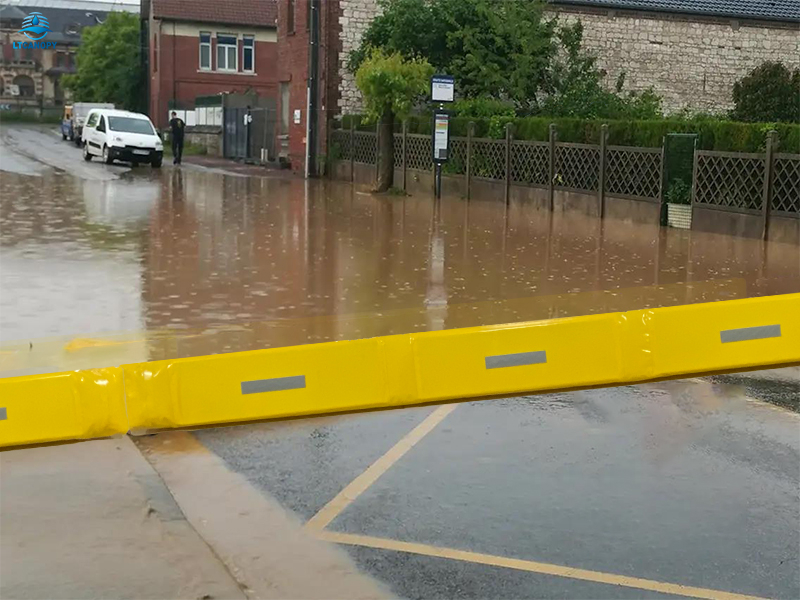
Floods are natural disasters that can cause significant damage to properties, infrastructure, and even loss of life. Implementing effective flood protection measures is crucial to mitigate the impact of floods and safeguard communities against potential devastation.
Key Strategies for Flood Protection
**Early Warning Systems:** Establishing reliable early warning systems can provide residents with timely alerts about impending floods, allowing them to evacuate safely and minimize risks.
**Infrastructure Development:** Investing in resilient infrastructure such as levees, flood walls, and drainage systems can help divert floodwaters away from populated areas and reduce the likelihood of flooding.
**Land Use Planning:** Implementing proper land use planning regulations can help prevent construction in high-risk flood zones and ensure that developments are designed to withstand flooding events.
The Benefits of Flood Protection
**Risk Reduction:** Effective flood protection measures can significantly reduce the risk of property damage, economic losses, and disruptions to essential services during flood events.
**Community Resilience:** By investing in flood protection strategies, communities can enhance their resilience to natural disasters, enabling them to recover more quickly and minimize long-term impacts.
**Environmental Preservation:** Implementing sustainable flood protection measures can also help preserve natural habitats and ecosystems that may be affected by flooding, ensuring the long-term health of the environment.
Conclusion
In conclusion, prioritizing flood protection is essential for building resilient communities and reducing the vulnerability of populations to the impacts of floods. By implementing proactive strategies and investing in sustainable solutions, we can better prepare for and mitigate the effects of future flooding events.
8 Essential Tips for Protecting Your Home from Flood Damage
- Elevate electrical outlets, switches, and appliances above potential flood levels.
- Install a sump pump to remove water from the basement or lower levels of a building.
- Seal basement walls with waterproofing compounds to prevent seepage.
- Create proper drainage around your property to direct water away from buildings.
- Keep gutters and downspouts clear of debris to ensure proper water flow.
- Invest in flood insurance to protect your property and belongings.
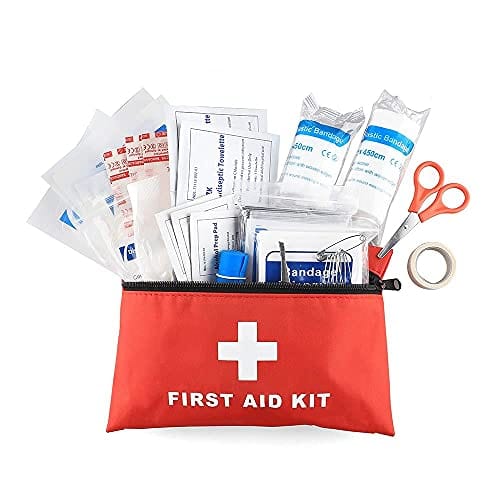
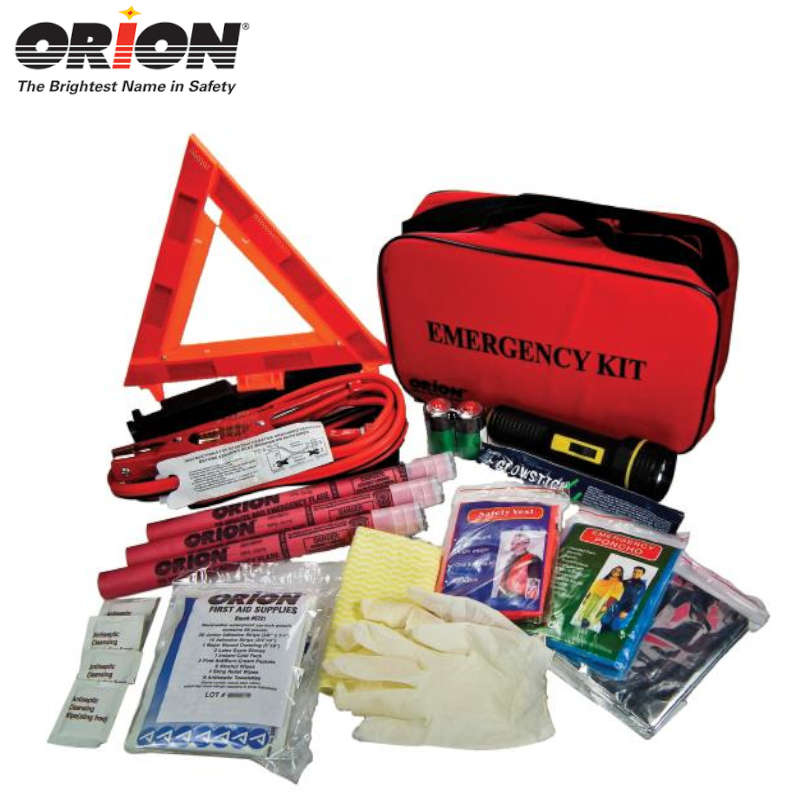
- Have an emergency kit ready with essentials like food, water, medications, and important documents.
- Stay informed about weather conditions and evacuation procedures in your area.
Elevate electrical outlets, switches, and appliances above potential flood levels.
To enhance flood protection measures, it is recommended to elevate electrical outlets, switches, and appliances above potential flood levels. By raising these critical components above the expected water levels, the risk of electrical damage and safety hazards during a flood event can be significantly reduced. This simple yet effective tip can help safeguard your home or property against the destructive impact of flooding, ensuring the safety of occupants and minimizing costly repairs in the aftermath of a flood.
Install a sump pump to remove water from the basement or lower levels of a building.
Installing a sump pump is a crucial tip for flood protection, especially in areas prone to water accumulation. A sump pump effectively removes excess water from basements or lower levels of buildings, helping prevent flooding and water damage. By investing in a sump pump system, property owners can proactively safeguard their structures against the potential risks associated with heavy rainfall or rising water levels, ensuring a drier and safer environment for occupants.
Seal basement walls with waterproofing compounds to prevent seepage.
Sealing basement walls with waterproofing compounds is a crucial tip for flood protection. By applying these specialized compounds, you can create a barrier that helps prevent seepage of water into your basement during heavy rainfall or flooding events. This proactive measure not only helps to keep your basement dry and free from water damage but also contributes to the overall resilience of your home against potential flood risks. Taking the time to waterproof your basement walls can provide added peace of mind and protection for your property in the face of unpredictable weather conditions.
Create proper drainage around your property to direct water away from buildings.
Creating proper drainage around your property is a crucial tip for flood protection. By ensuring that water is directed away from buildings through effective drainage systems, you can reduce the risk of water accumulation near structures during heavy rainfall or flooding events. This simple yet effective measure helps prevent water damage and minimizes the potential impact of floods on your property, enhancing its resilience to water-related hazards.
Keep gutters and downspouts clear of debris to ensure proper water flow.
To effectively protect your property from flooding, it is crucial to keep gutters and downspouts clear of debris. By ensuring that these drainage systems are free from blockages, you can maintain proper water flow and prevent water from accumulating near your home’s foundation. Regularly inspecting and cleaning gutters and downspouts will help divert rainwater away from your property, reducing the risk of water damage during heavy rainfall or flooding events.
Invest in flood insurance to protect your property and belongings.
Investing in flood insurance is a crucial step to protect your property and belongings from the devastating effects of floods. By securing adequate coverage, you can ensure financial assistance for repairs or replacements in the event of flood damage, providing peace of mind and safeguarding your assets against unforeseen natural disasters. It is a proactive measure that can offer valuable protection and support during challenging times.
Have an emergency kit ready with essentials like food, water, medications, and important documents.
Having an emergency kit prepared with essentials such as food, water, medications, and important documents is a crucial tip for flood protection. In the event of a flood, having these supplies readily available can make a significant difference in ensuring the safety and well-being of individuals and families. By being proactive and having an emergency kit on hand, individuals can better navigate through challenging situations during floods and be better prepared to handle emergencies effectively.
Stay informed about weather conditions and evacuation procedures in your area.
It is crucial to stay informed about weather conditions and evacuation procedures in your area as part of effective flood protection measures. By staying updated on weather forecasts and understanding evacuation protocols, you can proactively prepare for potential flood events and ensure the safety of yourself and your loved ones. Being aware of the latest information allows you to make informed decisions during emergencies and respond promptly to evacuation orders, ultimately reducing risks and enhancing overall preparedness for floods.