Emergency Watershed Protection Program: Protecting Communities in Times of Crisis
In times of natural disasters such as floods, hurricanes, and wildfires, the Emergency Watershed Protection (EWP) Program plays a critical role in safeguarding communities and preventing further damage to lands and watersheds. This vital program, administered by the U.S. Department of Agriculture’s Natural Resources Conservation Service (NRCS), provides assistance to local sponsors for implementing emergency recovery measures to address watershed impairments caused by sudden and severe events.
Key Objectives of the EWP Program:
- Preventing Further Damage: The primary goal of the EWP Program is to prevent further damage to life and property by stabilizing eroded areas, repairing damaged infrastructure, and mitigating threats to public safety.
- Rapid Response: The program ensures a rapid response to emergency situations, helping communities recover quickly from natural disasters and reduce the risk of future damages.
- Conservation Practices: Through the implementation of conservation practices such as debris removal, sediment control, and streambank stabilization, the EWP Program helps restore affected watersheds to their pre-disaster condition.
How Does the EWP Program Work?
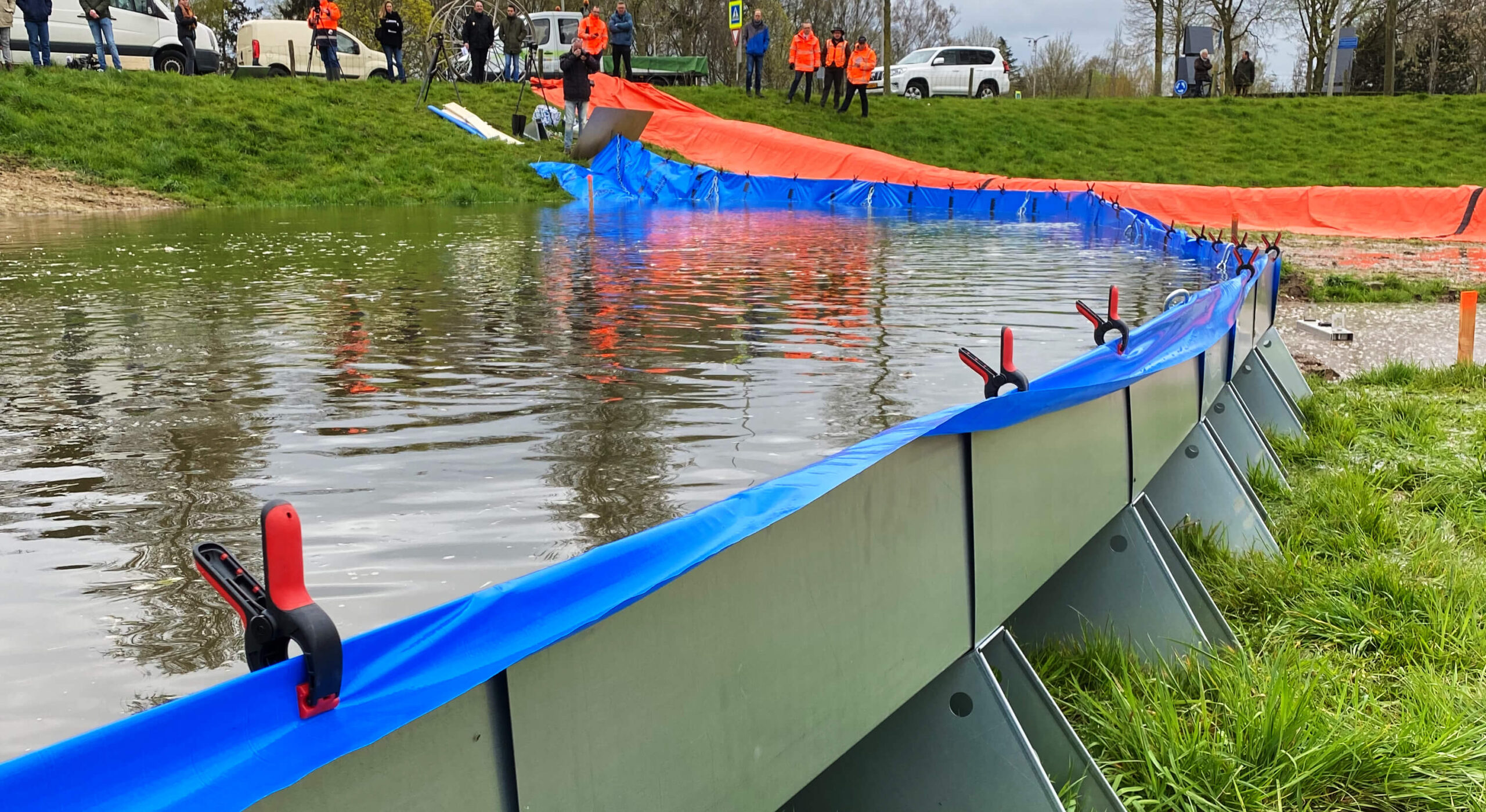
When a natural disaster strikes an area, local sponsors such as cities, counties, or conservation districts can request assistance from the NRCS through the EWP Program. NRCS specialists assess the extent of damage and develop a plan for implementing emergency recovery measures. These measures may include debris removal, reshaping eroded areas, repairing infrastructure, and installing erosion control structures.
Benefits of the EWP Program:
- Protecting Lives and Property: By swiftly addressing watershed impairments after a natural disaster, the EWP Program helps protect lives and property from further harm.
- Promoting Resilience: The program promotes community resilience by restoring damaged watersheds and reducing future risks associated with erosion and flooding.
- Safeguarding Natural Resources: Through conservation practices implemented under the program, natural resources such as soil health, water quality, and wildlife habitats are preserved and restored.
The Emergency Watershed Protection Program plays a crucial role in ensuring that communities are prepared for emergencies and can recover effectively from natural disasters. By providing timely assistance and expertise in watershed management, this program helps build stronger and more resilient communities that can withstand future challenges with greater resilience.
Understanding the Emergency Watershed Protection Act: Key FAQs
What is the Emergency Watershed Protection Act?
The Emergency Watershed Protection Act is a crucial piece of legislation that authorizes the Emergency Watershed Protection (EWP) Program, aimed at providing assistance to communities in addressing watershed impairments caused by natural disasters. Enacted to mitigate the impacts of sudden and severe events such as floods, hurricanes, and wildfires, the Act empowers the U.S. Department of Agriculture’s Natural Resources Conservation Service to collaborate with local sponsors in implementing emergency recovery measures. Through this Act, communities can access vital resources and support to stabilize eroded areas, repair damaged infrastructure, and safeguard lives and property from further damage during times of crisis.