The Importance of Emergency Preparedness Kits
When disaster strikes, having an emergency preparedness kit can make all the difference in ensuring your safety and well-being. Whether it’s a natural disaster like a hurricane, earthquake, or flood, or a man-made emergency such as a power outage or chemical spill, being prepared with the right supplies can help you navigate through challenging situations with confidence.
What Should Your Emergency Preparedness Kit Include?
Creating an emergency preparedness kit is a proactive step that everyone should take to protect themselves and their loved ones. Here are some essential items to consider including in your kit:
- Water: Store at least one gallon of water per person per day for at least three days.
- Food: Non-perishable items such as canned goods, granola bars, and dried fruits that can last for several days.
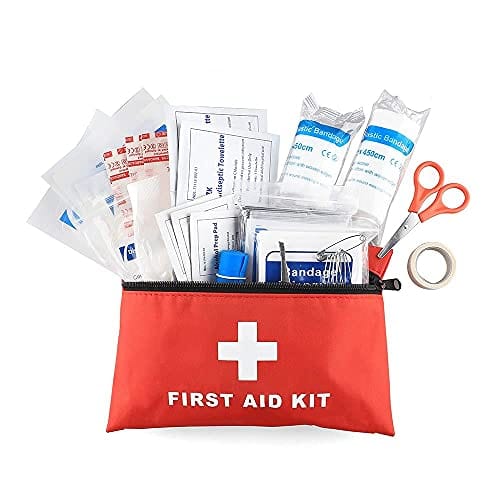
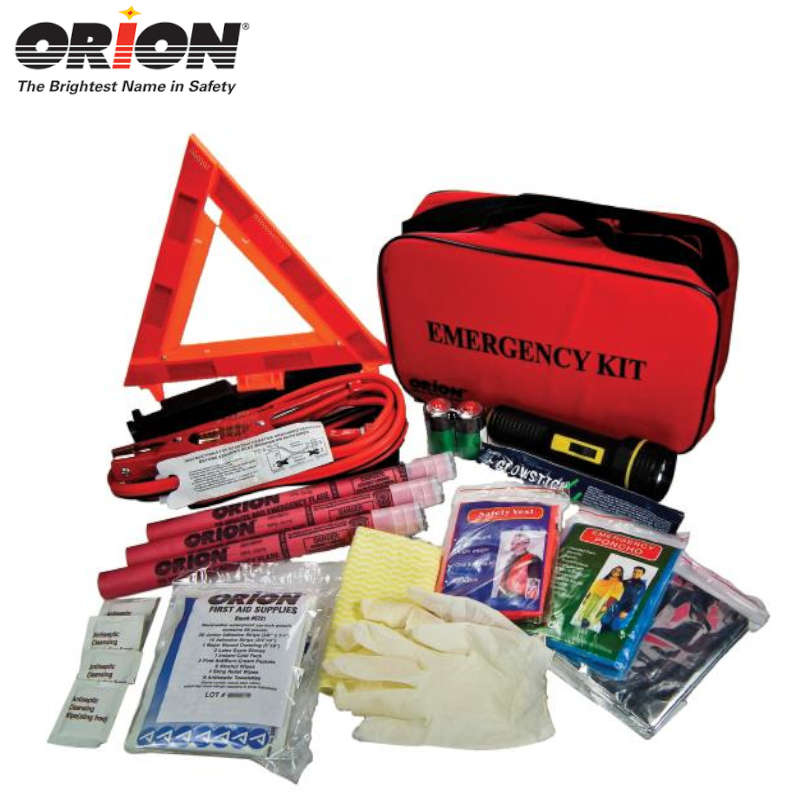
- First Aid Supplies: Bandages, antiseptic wipes, pain relievers, and any necessary medications.
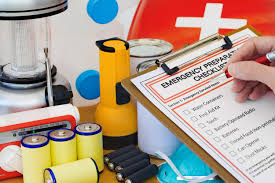
- Flashlight and Batteries: Ensure you have a reliable light source in case of power outages.
- Emergency Blankets: Keep warm blankets or sleeping bags on hand for comfort and warmth.
- Cash: Have some cash on hand in case ATMs are not accessible during emergencies.
- Personal Hygiene Items: Include items like toothbrushes, toothpaste, soap, and feminine hygiene products.
- Copies of Important Documents: Store copies of identification documents, insurance policies, and medical records in a waterproof container.
Tips for Maintaining Your Emergency Kit
To ensure that your emergency preparedness kit remains effective when you need it most, consider the following tips:
- Check Expiration Dates: Regularly review your supplies and replace any expired food or medications.
- Rotate Water Supply: Change out stored water every six months to maintain freshness.
- Create a Family Plan: Develop an emergency plan with your family members to ensure everyone knows what to do in case of an emergency.
- Educate Yourself: Stay informed about potential hazards in your area and tailor your emergency kit accordingly.
In Conclusion
An emergency preparedness kit is not just a collection of supplies; it is a lifeline during times of crisis. By taking the time to assemble and maintain your kit, you are investing in your safety and resilience. Remember that being prepared today can make all the difference tomorrow when disaster strikes.
7 Benefits of Emergency Preparedness Kits: Ensuring Safety and Peace of Mind
- Ensures quick access to essential supplies during emergencies.
- Promotes self-sufficiency and independence in crisis situations.
- Increases overall safety and well-being for individuals and families.
- Provides peace of mind knowing you are prepared for unexpected events.
- Helps minimize the impact of disasters by having necessary resources on hand.
- Facilitates a faster response time in critical situations.
- Empowers individuals to take proactive steps towards their own safety.
Challenges of Emergency Preparedness Kits: Cost, Maintenance, Storage, and Shelf Life
Ensures quick access to essential supplies during emergencies.
During emergencies, having an emergency preparedness kit ensures quick access to essential supplies, allowing individuals to respond promptly and effectively to unexpected situations. By having all necessary items conveniently stored in one place, such as food, water, first aid supplies, and tools, individuals can access what they need without delay, potentially minimizing the impact of the emergency and enhancing their ability to stay safe and secure.
Promotes self-sufficiency and independence in crisis situations.
Having an emergency preparedness kit promotes self-sufficiency and independence in crisis situations by empowering individuals to take control of their safety and well-being. With a well-equipped kit at hand, individuals can rely on their own resources to address immediate needs during emergencies, reducing the dependence on external assistance. This sense of preparedness instills confidence and a proactive mindset, enabling individuals to navigate through challenging situations with resilience and self-reliance.
Increases overall safety and well-being for individuals and families.
Having an emergency preparedness kit significantly enhances the overall safety and well-being of individuals and families. By having essential supplies readily available in times of crisis, such as natural disasters or emergencies, individuals can effectively respond to challenges and protect themselves and their loved ones. The peace of mind that comes with knowing you are prepared for unforeseen events contributes to a sense of security and resilience, ensuring that families can navigate through difficult situations with confidence and stability.
Provides peace of mind knowing you are prepared for unexpected events.
Having an emergency preparedness kit provides a sense of peace of mind, knowing that you are equipped and ready to handle unexpected events that may arise. By having essential supplies and resources readily available, you can face emergencies with confidence and assurance, knowing that you have taken proactive steps to protect yourself and your loved ones in times of crisis. This preparedness not only alleviates anxiety but also instills a sense of security and readiness for whatever challenges may come your way.
Helps minimize the impact of disasters by having necessary resources on hand.
Having an emergency preparedness kit helps minimize the impact of disasters by ensuring that necessary resources are readily available when needed. In times of crisis, having essential supplies such as food, water, first aid items, and other emergency provisions on hand can significantly improve response time and effectiveness in addressing immediate needs. By proactively preparing for emergencies, individuals and communities can mitigate the impact of disasters and enhance their ability to recover swiftly and efficiently.
Facilitates a faster response time in critical situations.
Emergency preparedness kits play a crucial role in facilitating a faster response time during critical situations. By having essential supplies readily available, individuals can quickly access the resources they need to address emergencies effectively. This proactive approach not only saves valuable time but also increases the chances of a successful outcome in high-pressure scenarios. In times of crisis, the ability to respond promptly can make a significant difference in ensuring the safety and well-being of those affected.
Empowers individuals to take proactive steps towards their own safety.
Emergency preparedness kits empower individuals to take proactive steps towards their own safety by providing them with the necessary tools and supplies to effectively respond to emergencies. By having a well-stocked kit readily available, individuals can take control of their safety and well-being, knowing that they have the resources needed to navigate through challenging situations with confidence. This proactive approach not only enhances personal safety but also instills a sense of empowerment and preparedness in the face of uncertainty.
Cost
One significant con of emergency preparedness kits is the cost involved in building and maintaining them. Acquiring essential supplies and equipment for an emergency kit can result in initial expenses that may be challenging for some individuals or families to afford. From purchasing non-perishable food items to investing in first aid supplies and emergency tools, the financial burden of creating a comprehensive preparedness kit can deter people from prioritizing their emergency readiness. Despite the cost factor, it is crucial to consider the long-term benefits of having a well-equipped kit that can potentially save lives and provide security during unforeseen emergencies.
Maintenance
One significant drawback of emergency preparedness kits is the maintenance aspect, which involves the regular checking and replacing of expired items. This process can be time-consuming and demanding, requiring consistent effort to ensure that the kit remains up-to-date and effective. The need to monitor expiration dates and replenish supplies adds an extra layer of responsibility for individuals and families who may already have busy schedules. Failure to maintain the kit properly could result in having outdated or insufficient resources during an emergency, potentially compromising the safety and well-being of those relying on it.
Storage Space
One significant drawback of emergency preparedness kits is the issue of storage space. These kits can occupy a considerable amount of valuable storage space in homes or vehicles, which can be particularly challenging for larger families with more supplies to store. Finding adequate space to keep the necessary emergency items easily accessible yet out of the way can be a logistical challenge for many individuals and families, requiring thoughtful planning and organization to address this con effectively.
Limited Shelf Life
One significant drawback of emergency preparedness kits is the limited shelf life of certain items. Batteries, medications, and perishable foods are just a few examples of essentials that may deteriorate over time and need regular replacement. This ongoing maintenance requirement can add to the cost and effort of keeping the kit up to date, as expired items may not be reliable in times of crisis. Staying vigilant about monitoring and refreshing these supplies is crucial to ensure that your emergency kit remains effective and ready for use when needed most.