Why You Should Never Drive Through a Flooded Area
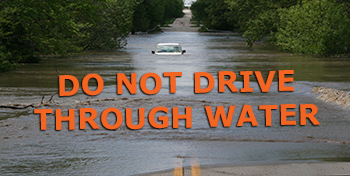
Flooding is a common natural disaster that can have devastating effects on communities. When faced with a flooded roadway, it is crucial to remember one simple rule: do not attempt to drive through it. Here are several reasons why driving through a flooded area is extremely dangerous:
Risk of Being Swept Away
Even shallow-looking water can exert significant force on a vehicle. Just six inches of water can cause loss of control and stalling, while two feet of rushing water can carry away most vehicles, including SUVs and trucks.
Hidden Hazards
Floodwaters can conceal various hazards beneath the surface, such as debris, rocks, or even large sinkholes. Driving through flooded areas increases the risk of encountering these hidden dangers, leading to accidents and damage to your vehicle.
Electrical Hazards
If water levels reach the electrical components of your vehicle, there is a high risk of electrical failure or short-circuiting. This can compromise your ability to control the vehicle and pose a serious safety threat.
Legal Consequences
In many regions, driving through flooded roads is not only dangerous but also illegal. Emergency responders may have to rescue individuals who ignore road closure signs or warnings, putting both themselves and rescuers at risk.
Protecting Yourself and Others
Your safety should always be the top priority when faced with hazardous conditions like flooding. By avoiding driving through flooded areas, you not only protect yourself but also prevent unnecessary risks for emergency responders who may need to assist you in case of an emergency.
In conclusion, it is essential to exercise caution and avoid driving through flooded areas at all costs. Remember that no trip is worth risking your life or the lives of others on the road.
6 Essential Tips to Stay Safe: Avoid Driving Through Flooded Areas
- Avoid driving through flooded areas, especially if the water is moving.
- Do not underestimate the depth of floodwaters as it can be deceiving.
- Turn around and find an alternate route if you encounter a flooded road.
- Floodwaters can damage your vehicle and pose a safety risk, so it’s best to avoid them.
- Follow local authorities’ warnings and road closure signs during flooding events.
- Stay informed about weather conditions to prevent getting caught in a flood while driving.
Avoid driving through flooded areas, especially if the water is moving.
Avoid driving through flooded areas, especially if the water is moving. Moving water can be deceptively powerful, even at shallow depths, posing a significant risk to drivers and their vehicles. It is crucial to exercise caution and never underestimate the force of flowing water when making decisions about navigating flooded roadways. By heeding this advice and refraining from driving through moving floodwaters, individuals can help ensure their safety and prevent potentially dangerous situations that may arise from attempting to cross swiftly flowing streams or rivers.
Do not underestimate the depth of floodwaters as it can be deceiving.
It is crucial to heed the advice of not underestimating the depth of floodwaters when considering driving through a flooded area. Floodwaters can be deceiving, and what may appear as shallow water on the surface can actually conceal dangerous depths that pose a significant risk to drivers. By recognizing that floodwaters can be misleading in their appearance, individuals can make informed decisions to prioritize safety and avoid potentially hazardous situations on the road.
Turn around and find an alternate route if you encounter a flooded road.
When faced with a flooded road, it is crucial to prioritize safety by following the simple yet life-saving tip of turning around and seeking an alternate route. By avoiding the temptation to drive through floodwaters, you not only protect yourself and your passengers from potential harm but also contribute to reducing the risk of accidents and emergencies. Remember that taking a detour may inconvenience you momentarily, but it is a small price to pay for ensuring your well-being and that of others on the road.
Floodwaters can damage your vehicle and pose a safety risk, so it’s best to avoid them.
Floodwaters present a dual threat to drivers, as they not only have the potential to cause significant damage to vehicles but also pose a serious safety risk. The force of rushing water can compromise the structural integrity of a vehicle and lead to mechanical failures. Additionally, hidden hazards beneath the surface can further increase the likelihood of accidents. To safeguard both your vehicle and personal safety, it is strongly advised to steer clear of flooded areas whenever possible.
Follow local authorities’ warnings and road closure signs during flooding events.
During flooding events, it is crucial to heed the warnings and road closure signs provided by local authorities. Following their guidance can help ensure your safety and the safety of others on the road. By respecting these signals and avoiding flooded areas, you contribute to reducing the risk of accidents, injuries, and potential emergencies. Trusting in the expertise of local officials during such hazardous conditions is a responsible choice that can ultimately save lives.
Stay informed about weather conditions to prevent getting caught in a flood while driving.
Staying informed about weather conditions is crucial to prevent getting caught in a flood while driving. By monitoring weather forecasts and staying alert to any flood warnings or advisories in your area, you can make informed decisions about your travel routes and avoid potential hazards. Being proactive and prepared can help you stay safe on the road and reduce the risk of encountering dangerous flooded areas during severe weather events.