The Importance of Structures Designed to Surround and Divert Floodwaters
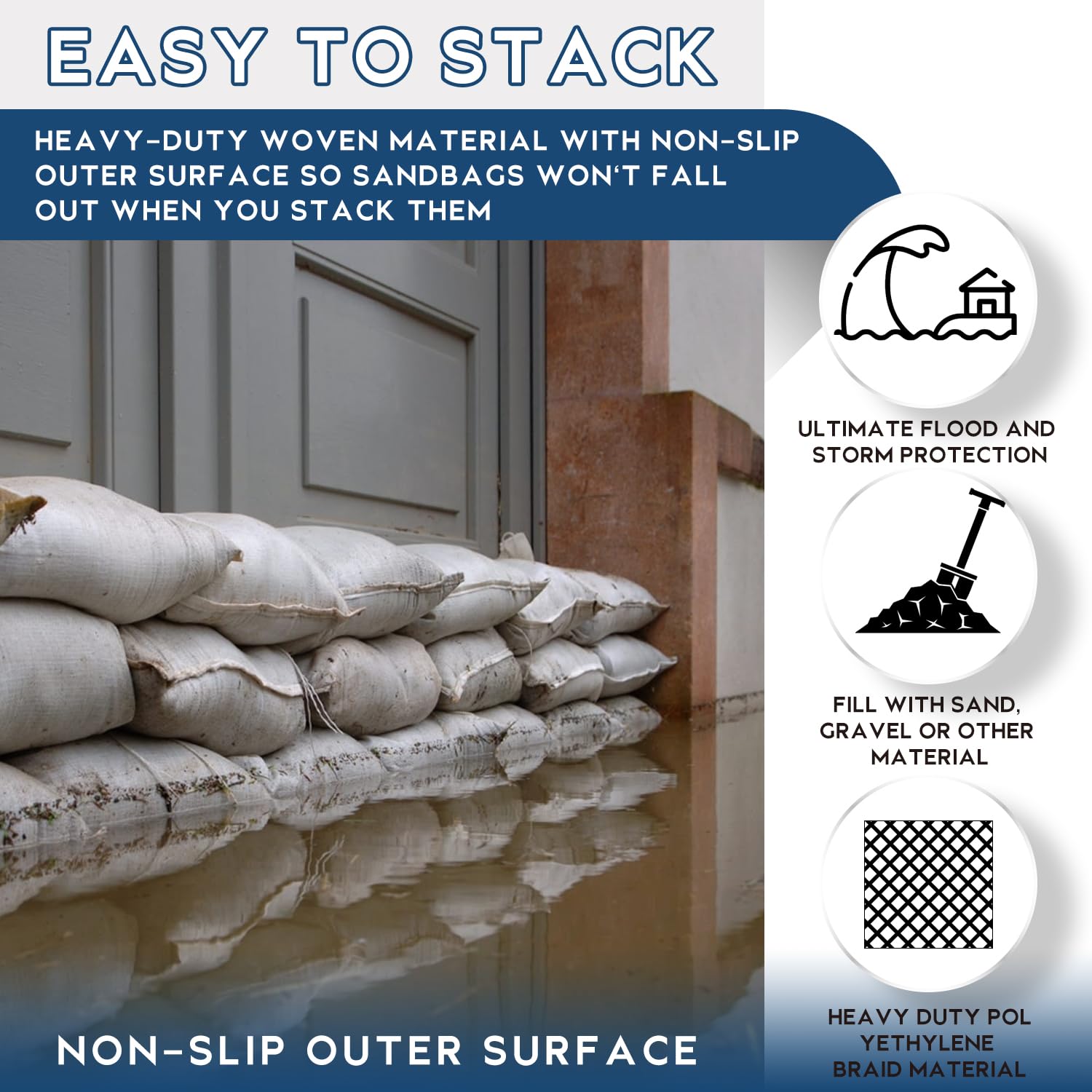
Flooding is a natural disaster that can cause significant damage to communities, infrastructure, and the environment. To mitigate the impact of floods, various structures are designed and implemented to surround and divert floodwaters effectively.
Levees
Levees are embankments built along riverbanks or coastlines to prevent flooding by containing the water within a designated area. These structures help redirect floodwaters away from populated areas, reducing the risk of property damage and loss of life.
Floodwalls
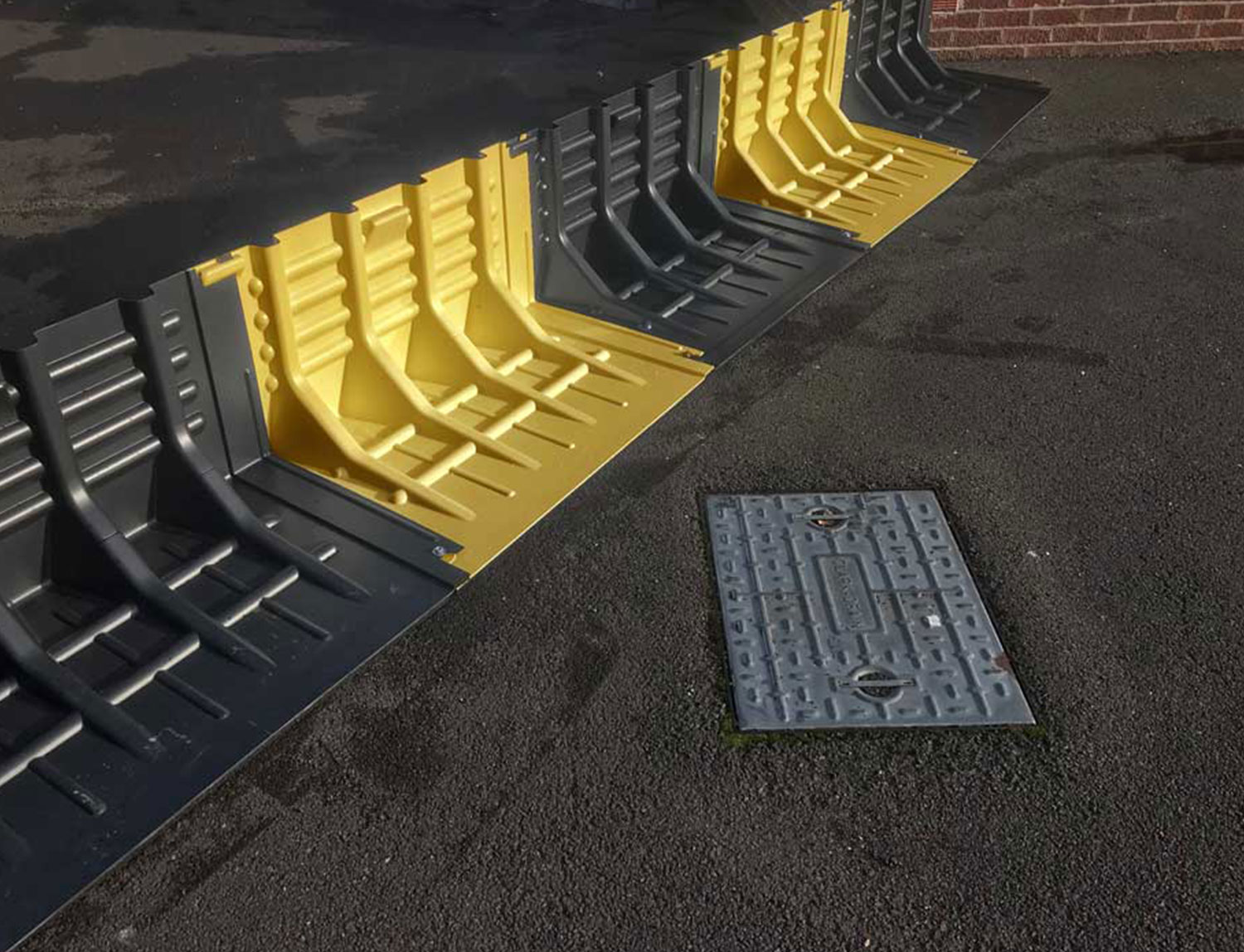
Floodwalls are vertical barriers constructed along riverbanks or shorelines to protect against rising water levels during floods. These walls help contain floodwaters within a specific area, preventing them from spilling over into surrounding communities.
Detention Basins
Detention basins are large reservoirs designed to temporarily hold excess water during heavy rainfall or flooding events. By capturing and storing floodwaters, these basins help regulate water flow and reduce the risk of downstream flooding in urban areas.
Channelization Projects
Channelization projects involve modifying natural waterways to improve their capacity for carrying excess water during floods. By widening, deepening, or straightening rivers and streams, these projects can help prevent overflow and minimize flood damage in vulnerable regions.
Flood Diversion Channels
Flood diversion channels are artificial waterways built to redirect floodwaters away from populated areas towards less developed or designated flood-prone zones. These channels help protect communities by channeling excess water safely away from urban centers.
In conclusion, structures designed to surround and divert floodwaters play a crucial role in reducing the impact of flooding on communities and infrastructure. By implementing these engineering solutions, we can better prepare for and respond to flood events, ultimately enhancing resilience in the face of natural disasters.
7 Essential Tips for Designing Effective Levees to Manage Floodwaters
- Construct levees with strong and durable materials.
- Regularly inspect and maintain levees to ensure their integrity.
- Ensure proper vegetation on levees to enhance stability.
- Incorporate floodgates or outlets for controlled water release.
- Consider reinforcing levees with geotextiles or concrete barriers.
- Plan for sufficient drainage systems behind the levees to prevent seepage.
- Consult with experts and authorities when designing and building levees.
Construct levees with strong and durable materials.
When constructing levees with the purpose of surrounding and diverting floodwaters, it is essential to use strong and durable materials. The integrity and resilience of levees are critical in withstanding the force of floodwaters and ensuring their effectiveness in protecting communities from potential damage. By utilizing robust materials in the construction of levees, such as reinforced concrete or compacted soil, we can enhance their longevity and structural stability, ultimately bolstering their ability to contain floodwaters and safeguard vulnerable areas during flooding events.
Regularly inspect and maintain levees to ensure their integrity.
Regularly inspecting and maintaining levees is essential to ensure their integrity and effectiveness in surrounding and diverting floodwaters. By monitoring these embankments for signs of erosion, structural damage, or weakening, authorities can proactively address potential issues and prevent breaches during flood events. Timely repairs and reinforcement of levees help uphold their protective function, safeguarding communities and infrastructure from the destructive forces of flooding. Prioritizing the upkeep of levees through regular inspections is a critical aspect of flood risk management and resilience building efforts.
Ensure proper vegetation on levees to enhance stability.
Ensuring proper vegetation on levees is essential to enhancing their stability and effectiveness in surrounding and diverting floodwaters. Healthy vegetation, such as grasses, shrubs, and trees, helps strengthen the soil structure of levees, reducing erosion and increasing their resilience to flooding events. The roots of plants anchor the soil in place, preventing it from being washed away during heavy rainfall or high water levels. Additionally, vegetation can absorb excess water, reducing the pressure on levees and improving their overall performance in flood mitigation efforts. By maintaining appropriate vegetation on levees, communities can enhance the long-term integrity and functionality of these critical flood control structures.
Incorporate floodgates or outlets for controlled water release.
Incorporating floodgates or outlets for controlled water release is a crucial element in designing structures to surround and divert floodwaters effectively. These mechanisms allow for the regulated release of excess water during flood events, helping to prevent overwhelming the surrounding areas. By strategically placing floodgates or outlets, engineers can manage water levels and flow, reducing the risk of catastrophic flooding and minimizing damage to communities and infrastructure. This proactive approach enhances flood resilience and ensures a more controlled response to changing water conditions during extreme weather events.
Consider reinforcing levees with geotextiles or concrete barriers.
To enhance the effectiveness of levees in diverting floodwaters, it is advisable to consider reinforcing them with geotextiles or concrete barriers. Geotextiles provide additional strength and stability to levees, helping them withstand the pressure of rising water levels during floods. Concrete barriers can serve as a durable protective layer, further fortifying the levees and minimizing the risk of breaches or erosion. By incorporating these reinforcements, communities can bolster their flood defense systems and better protect against potential flooding disasters.
Plan for sufficient drainage systems behind the levees to prevent seepage.
When designing structures like levees to surround and divert floodwaters, it is crucial to plan for sufficient drainage systems to prevent seepage. Proper drainage behind levees helps maintain the structural integrity of the embankments by relieving excess water pressure and reducing the risk of seepage-induced breaches. By ensuring effective drainage systems are in place, potential water buildup behind levees can be managed efficiently, enhancing their overall effectiveness in protecting communities from flooding events.
Consult with experts and authorities when designing and building levees.
When planning the construction of levees to surround and divert floodwaters, it is crucial to consult with experts and authorities. By seeking guidance from professionals in the field of flood management and working closely with relevant government agencies, you can ensure that the design and building of levees meet safety standards and regulatory requirements. Expert advice can help identify potential risks, optimize the effectiveness of the levee system, and ensure that it is resilient against various flood scenarios. Collaboration with experts and authorities is essential for creating robust levees that effectively protect communities from the devastating impacts of flooding.