Building an Emergency Kit: Be Prepared for Any Situation
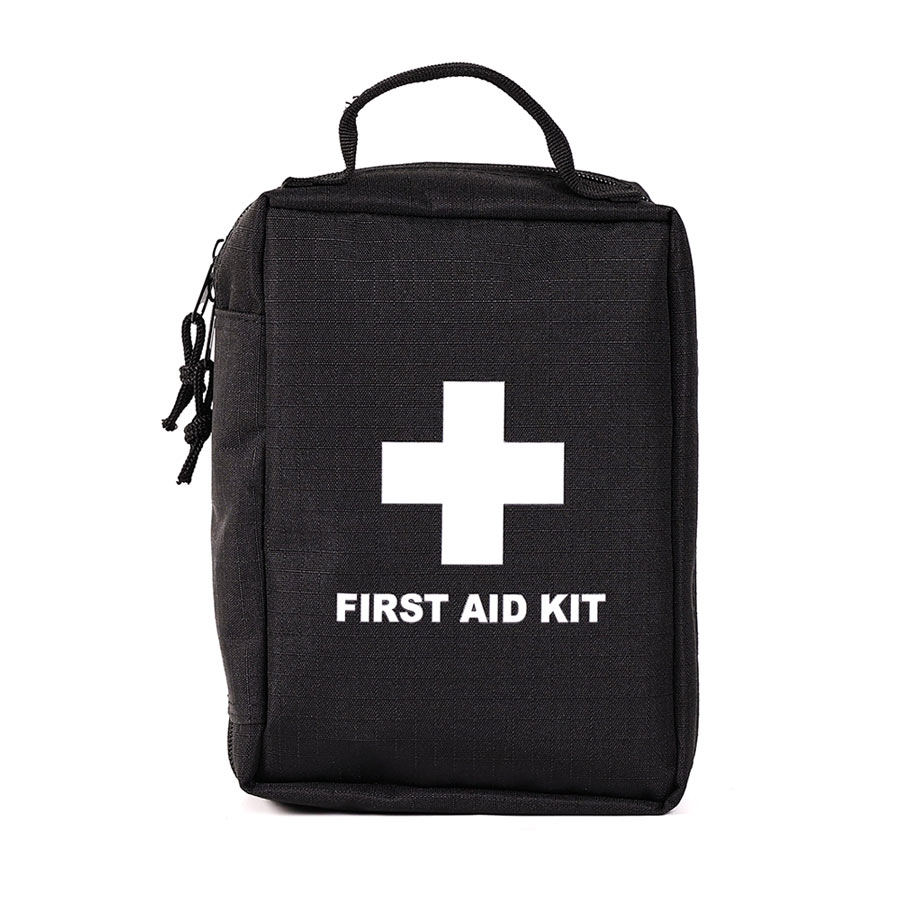
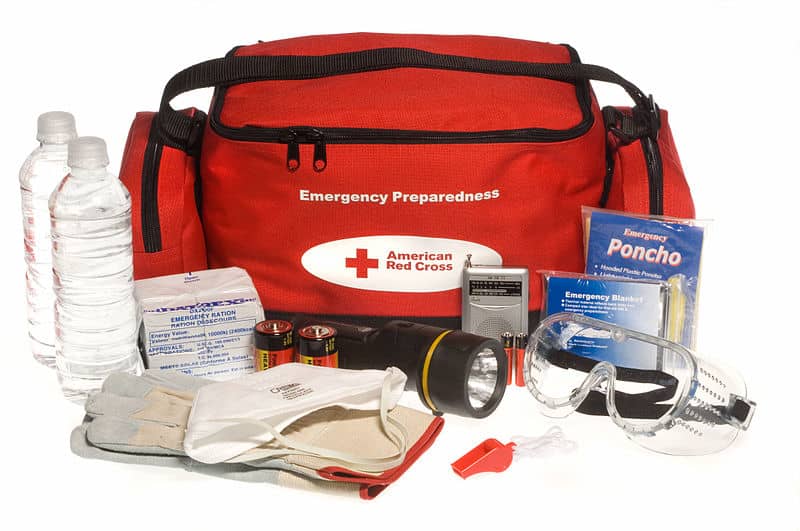
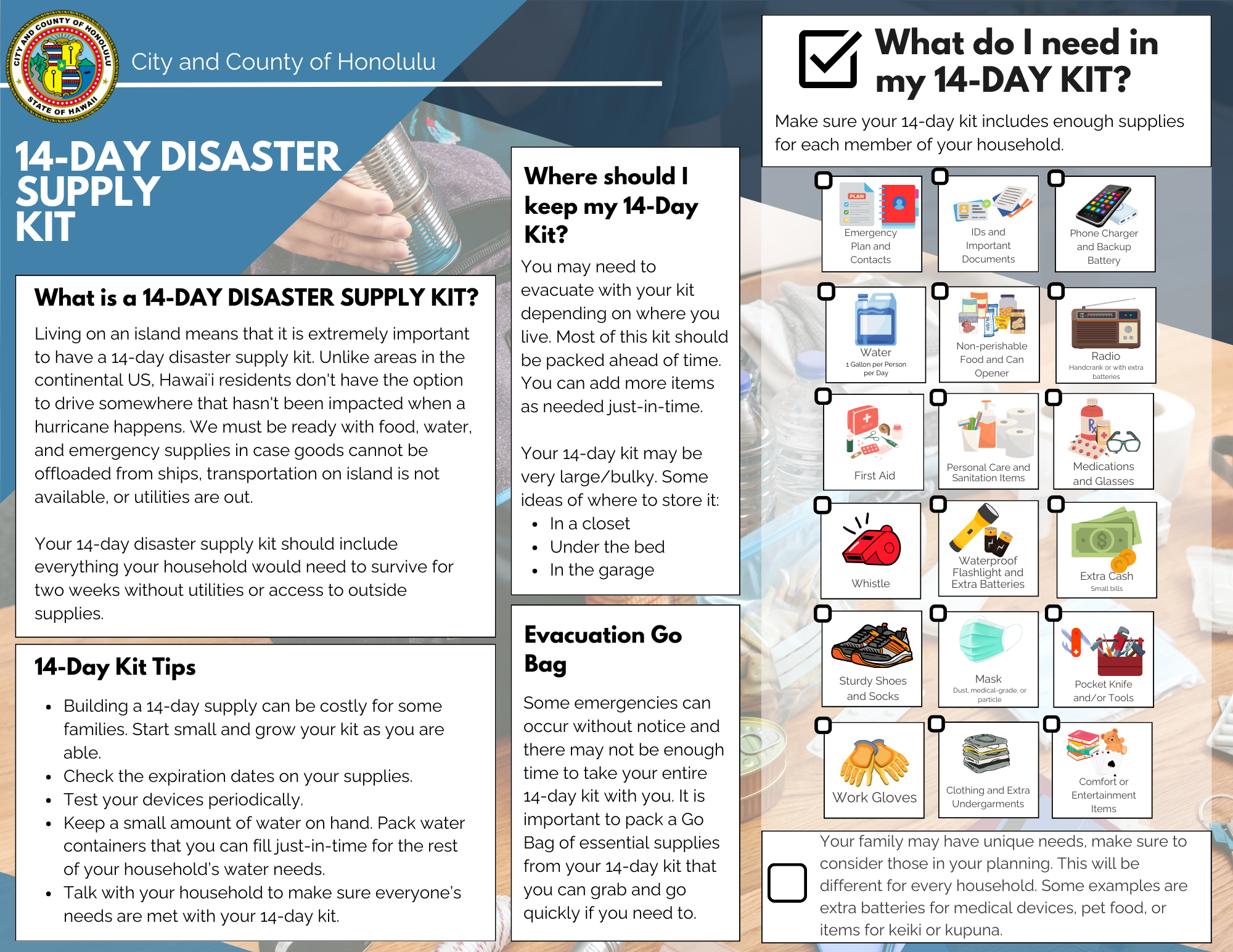
In times of crisis or natural disasters, having a well-prepared emergency kit can make all the difference. Whether you are facing a severe storm, power outage, or any other unexpected situation, having essential supplies on hand can help keep you and your loved ones safe and comfortable. Here are some key items to include in your emergency kit:
Water and Food
- Bottled water (at least one gallon per person per day)
- Non-perishable food items such as canned goods, energy bars, and dried fruits
- A manual can opener
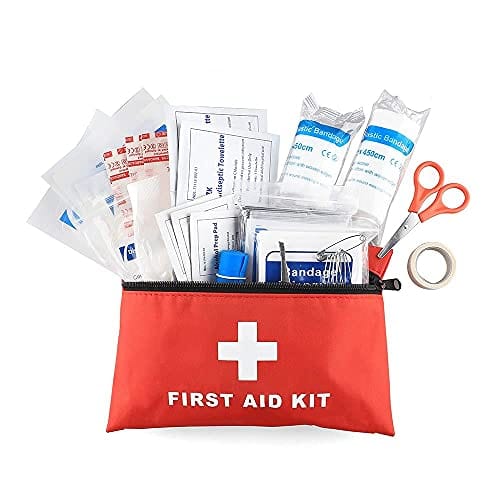
First Aid Supplies
- Bandages, gauze pads, and adhesive tape
- Antiseptic wipes and ointment
- Pain relievers and any necessary prescription medications
Emergency Tools and Supplies
- Flashlight with extra batteries
- A multi-tool or Swiss Army knife
- A battery-powered or hand-crank radio
- A whistle to signal for help
- Duct tape and plastic sheeting for shelter or repairs
Clothing and Personal Items
- A change of clothes and sturdy shoes for each family member
- Blankets or sleeping bags to stay warm
- Toiletries such as toothbrushes, toothpaste, and soap
8 Benefits of Building an Emergency Kit: Ensuring Safety and Preparedness
- Ensures you are prepared for unexpected emergencies
- Provides peace of mind knowing you have essential supplies on hand
- Helps you stay safe and comfortable during crises or natural disasters
- Allows you to respond quickly to emergency situations
- Can save time and reduce stress in high-pressure scenarios
- Increases your self-sufficiency and resilience in challenging circumstances
- Assists in protecting your health and well-being during emergencies
- Shows responsibility towards yourself and your loved ones by being prepared
7 Challenges of Building and Maintaining an Emergency Kit
- Initial cost of purchasing all the necessary supplies can be expensive.
- Regularly checking and replacing expired items can be time-consuming.
- Limited storage space may make it challenging to keep a fully stocked emergency kit.
- Some items in the kit may have a limited shelf life, requiring frequent replacements.
- Certain perishable items like food and medication need to be monitored for expiration dates.
- Maintaining the organization of the emergency kit to ensure quick access during emergencies can be difficult.
- Customizing the emergency kit for specific needs or medical conditions may require additional research and resources.
Ensures you are prepared for unexpected emergencies
Building an emergency kit ensures that you are prepared for unexpected emergencies that may arise at any moment. By having essential supplies readily available, you can respond promptly and effectively to various crisis situations, such as natural disasters, power outages, or medical emergencies. Being proactive in assembling an emergency kit not only provides a sense of security but also empowers you to take control of unforeseen circumstances with confidence and readiness.
Provides peace of mind knowing you have essential supplies on hand
Having an emergency kit provides peace of mind, knowing that you have essential supplies readily available in case of a crisis. By taking the time to build and maintain an emergency kit, you can alleviate worries about being unprepared during unexpected situations. Knowing that you have water, food, first aid supplies, and other necessary items on hand can help you feel more secure and confident in your ability to handle emergencies effectively.
Helps you stay safe and comfortable during crises or natural disasters
Having a well-prepared emergency kit can significantly enhance your safety and comfort during crises or natural disasters. By including essential supplies like water, food, first aid items, and emergency tools, you are better equipped to handle unexpected situations with confidence. Knowing that you have the necessary resources readily available can provide a sense of security and peace of mind, allowing you to focus on staying safe and ensuring the well-being of yourself and your loved ones during challenging times.
Allows you to respond quickly to emergency situations
Having an emergency kit readily available enables individuals to respond swiftly and effectively to unexpected situations. In times of crisis, having essential supplies at hand allows for quick decision-making and action, potentially minimizing risks and ensuring the safety of oneself and others. By being prepared with an emergency kit, individuals can act promptly to address emergencies, providing a sense of security and readiness in the face of adversity.
Can save time and reduce stress in high-pressure scenarios
Having a well-prepared emergency kit can save valuable time and significantly reduce stress in high-pressure scenarios. When faced with an unexpected crisis, having essential supplies readily available allows individuals to focus on their safety and well-being without the added burden of scrambling to gather necessary items. By proactively assembling an emergency kit, individuals can navigate challenging situations more efficiently, enabling them to respond effectively and calmly during times of urgency.
Increases your self-sufficiency and resilience in challenging circumstances
Having an emergency kit increases your self-sufficiency and resilience in challenging circumstances by ensuring that you have essential supplies readily available when needed. In times of crisis or unexpected events, being able to rely on your own provisions can make a significant difference in your ability to navigate difficult situations with confidence and stability. By proactively building an emergency kit, you empower yourself to face challenges head-on and adapt more effectively to changing circumstances, ultimately enhancing your overall preparedness and resilience.
Assists in protecting your health and well-being during emergencies
Having an emergency kit readily available can greatly assist in protecting your health and well-being during emergencies. By including essential items like first aid supplies, medications, clean water, and non-perishable food in your kit, you ensure that you have the necessary resources to address medical needs and maintain proper nutrition even in challenging situations. Being prepared with an emergency kit not only safeguards your physical health but also provides peace of mind knowing that you are equipped to handle unexpected events effectively.
Shows responsibility towards yourself and your loved ones by being prepared
Being proactive in building an emergency kit demonstrates a sense of responsibility towards oneself and loved ones by prioritizing preparedness. By taking the time to assemble essential supplies and tools for unforeseen situations, individuals showcase their commitment to ensuring the safety and well-being of those closest to them. This proactive approach not only instills a sense of security but also reflects a readiness to handle emergencies effectively, showing care and consideration for both personal and familial welfare.
Initial cost of purchasing all the necessary supplies can be expensive.
One significant drawback of building an emergency kit is the initial cost associated with purchasing all the necessary supplies, which can be quite expensive. Acquiring items such as bottled water, non-perishable food, first aid supplies, emergency tools, and clothing can add up quickly, especially if you are preparing for multiple family members or for an extended period. This financial burden may deter some individuals or families from fully equipping themselves with essential emergency provisions, potentially leaving them vulnerable in times of crisis. Finding cost-effective alternatives or gradually building up the kit over time may help alleviate this financial strain and ensure that everyone can be adequately prepared for emergencies.
Regularly checking and replacing expired items can be time-consuming.
Regularly checking and replacing expired items in an emergency kit can be a time-consuming task that requires diligence and attention to detail. Ensuring that all supplies are up to date and safe for use can involve periodic inspections and inventory assessments, which may add an extra layer of maintenance to one’s routine. However, the importance of having a well-maintained emergency kit with fresh and functional items cannot be overstated, as it plays a crucial role in ensuring preparedness and readiness for unforeseen circumstances. Despite the potential challenge of managing expired items, staying proactive in maintaining an effective emergency kit is essential for being fully equipped to handle emergencies when they arise.
Limited storage space may make it challenging to keep a fully stocked emergency kit.
Limited storage space can pose a significant challenge when it comes to maintaining a fully stocked emergency kit. With the need to include essential items like water, food, first aid supplies, and emergency tools, finding adequate space to store all these items can be difficult, especially for those living in small apartments or homes with limited storage options. The struggle to balance the necessity of having a comprehensive emergency kit with the constraints of available storage space may lead individuals to prioritize certain items over others, potentially leaving them ill-prepared for certain emergencies. Finding creative storage solutions and regularly assessing and updating the contents of the emergency kit can help mitigate this con and ensure readiness for unforeseen situations.
Some items in the kit may have a limited shelf life, requiring frequent replacements.
One downside of building an emergency kit is that some items within it may have a limited shelf life, necessitating regular replacements. This means that certain supplies, such as food with expiration dates, medications, and batteries, may need to be periodically checked and refreshed to ensure their effectiveness in times of need. Failure to regularly update these perishable items could compromise the overall readiness and reliability of the emergency kit when faced with a crisis or disaster situation. Maintaining a vigilant schedule for monitoring and replacing these items is crucial to ensure that the emergency kit remains fully functional and capable of providing essential support when required.
Certain perishable items like food and medication need to be monitored for expiration dates.
One drawback of building an emergency kit is the need to monitor certain perishable items, such as food and medication, for expiration dates. Ensuring that these items remain fresh and effective can require regular checks and replacements, adding an extra layer of maintenance to the preparedness process. Failure to keep track of expiration dates could result in having expired supplies during an emergency, compromising their usefulness when they are needed most. Despite this challenge, staying vigilant about monitoring and rotating perishable items in the emergency kit is crucial for maintaining its effectiveness and ensuring readiness for unforeseen situations.
Maintaining the organization of the emergency kit to ensure quick access during emergencies can be difficult.
Maintaining the organization of an emergency kit to ensure quick access during emergencies can be a challenging aspect of preparedness. With time and use, items in the kit may shift or become disorganized, making it harder to locate crucial supplies when needed urgently. Regularly checking and rearranging the contents of the emergency kit is essential to ensure that everything remains easily accessible and up-to-date. Failure to keep the kit organized could lead to delays in responding effectively during critical situations, highlighting the importance of consistent maintenance and organization for optimal preparedness.
Customizing the emergency kit for specific needs or medical conditions may require additional research and resources.
Customizing an emergency kit to cater to specific needs or medical conditions can present a challenge that requires extra time, research, and resources. Individuals with unique health requirements or special circumstances may need to carefully consider the supplies and equipment necessary to address their specific needs during an emergency situation. This process may involve consulting with healthcare professionals, acquiring specialized items, and ensuring that the emergency kit is tailored to provide adequate support and care in accordance with individual requirements. While customization adds complexity, it is essential for ensuring comprehensive preparedness and effective response in times of crisis.