The Essential Backpacking Emergency Kit: Be Prepared for Any Adventure
Embarking on a backpacking adventure is an exhilarating experience, but it’s crucial to be prepared for any unforeseen emergencies that may arise along the way. A well-equipped backpacking emergency kit can make all the difference in ensuring your safety and peace of mind during your outdoor excursions.
Key Items for Your Backpacking Emergency Kit
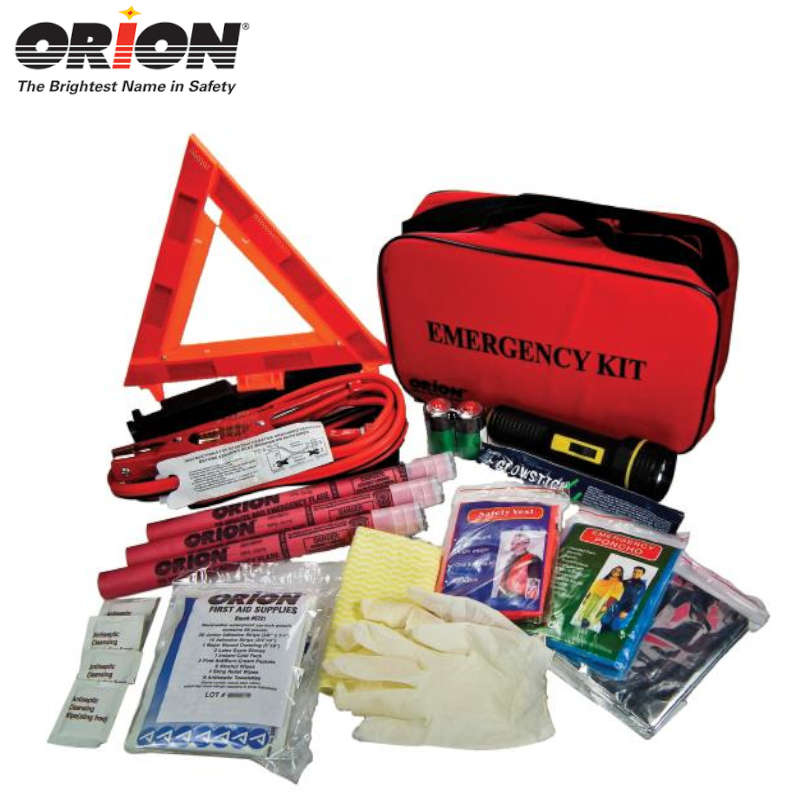
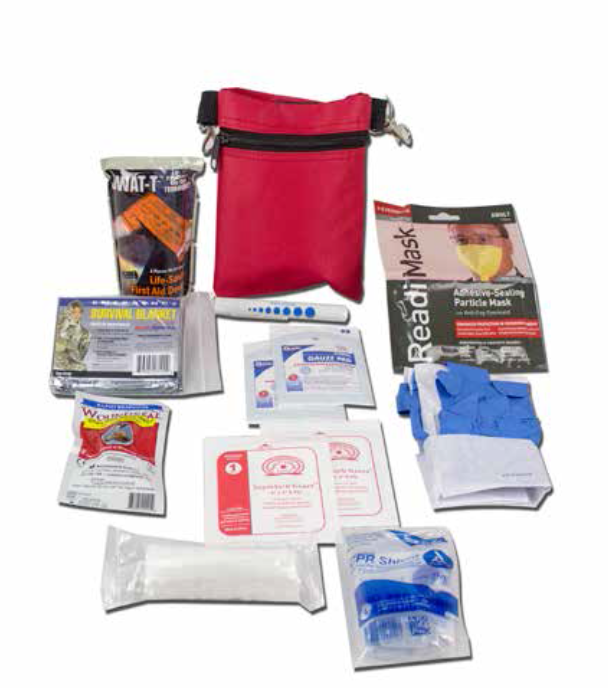
When assembling your backpacking emergency kit, consider including the following essential items:
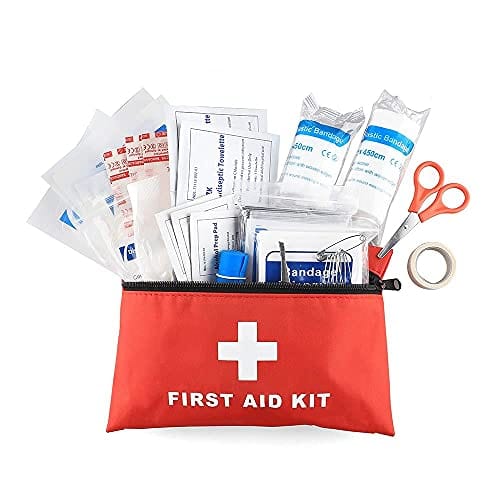
- First Aid Supplies: Bandages, antiseptic wipes, gauze pads, adhesive tape, and pain relievers can help treat minor injuries and ailments.
- Emergency Shelter: A lightweight tent or emergency bivvy can provide shelter in case you get stranded or encounter inclement weather.
- Fire-Starting Tools: Waterproof matches, a lighter, or a fire starter can help you build a fire for warmth and signaling for help.
- Water Purification Tablets: Ensure access to clean drinking water by including water purification tablets or a portable water filter in your kit.
- Emergency Food Rations: Pack non-perishable food items like energy bars or dehydrated meals to sustain you in case of an unexpected delay.
- Navigational Tools: A map, compass, or GPS device can help you find your way if you get lost on the trail.
- Multi-Tool or Knife: A versatile tool can assist with various tasks such as cutting rope, repairing gear, or preparing food.
Tips for Packing Your Emergency Kit
To ensure that your backpacking emergency kit is effective and easily accessible when needed, consider the following tips:
- Prioritize Essential Items: Focus on including items that are crucial for survival and first aid needs in your kit.
- Pack Lightly: Opt for lightweight and compact versions of essential items to minimize weight and bulk in your backpack.
- Maintain Your Kit: Regularly check and replenish supplies in your emergency kit to ensure that everything is in working order when needed.
- Know How to Use Your Gear: Familiarize yourself with the functions of each item in your kit before heading out on your backpacking trip.
In Conclusion
A well-prepared backpacking emergency kit can provide peace of mind and essential support during unexpected situations in the great outdoors. By carefully selecting key items and packing them thoughtfully, you can enhance your safety and readiness for any adventure that comes your way. Remember: preparation is key to enjoying a safe and fulfilling backpacking experience!
Essential Tips for Building a Comprehensive Backpacking Emergency Kit
- Pack a first aid kit with essential supplies.
- Include emergency blankets to stay warm in case of exposure.
- Carry a multi-tool for various repairs and tasks.
- Bring extra food and water in case of unexpected delays.
- Have a map, compass, or GPS device for navigation.
- Pack a whistle to signal for help if needed.
- Include fire-starting tools like matches or lighters.
- Carry a fully charged portable phone charger.
Pack a first aid kit with essential supplies.
When preparing your backpacking emergency kit, it is crucial to include a well-stocked first aid kit with essential supplies. Having a comprehensive first aid kit on hand can be a lifesaver in the event of injuries or medical emergencies while out in the wilderness. Items such as bandages, antiseptic wipes, pain relievers, and gauze pads can help you address minor injuries and keep them from escalating. Prioritizing your health and safety by packing a first aid kit ensures that you are equipped to handle unexpected situations and stay prepared for any challenges that may arise during your backpacking adventures.
Include emergency blankets to stay warm in case of exposure.
Including emergency blankets in your backpacking emergency kit is a crucial tip to ensure you stay warm in case of exposure to cold weather or unexpected situations. These lightweight and compact blankets are designed to reflect and retain body heat, providing essential warmth and insulation when needed most. By having emergency blankets on hand, you can effectively combat hypothermia and maintain your body temperature in challenging outdoor conditions. Be sure to pack these versatile blankets in your kit to enhance your preparedness for any unforeseen emergencies during your backpacking adventures.
Carry a multi-tool for various repairs and tasks.
Carrying a multi-tool in your backpacking emergency kit is a smart decision that can prove invaluable during outdoor adventures. A multi-tool provides you with the versatility to handle a wide range of repairs and tasks, from fixing gear to preparing food. Its compact size and multiple functions make it a practical addition to your kit, ensuring that you are equipped to tackle unexpected challenges with ease. Whether you need to cut rope, tighten screws, or open cans, having a multi-tool on hand can save the day and enhance your overall preparedness for any situation that may arise while backpacking.
Bring extra food and water in case of unexpected delays.
It is essential to include extra food and water in your backpacking emergency kit to prepare for unexpected delays during your outdoor adventures. Having additional supplies ensures that you can sustain yourself in unforeseen circumstances, such as getting lost or encountering obstacles that prolong your journey. By packing extra food and water, you can stay nourished and hydrated, maintaining your energy levels and overall well-being while waiting for assistance or navigating through challenging situations. Prioritizing these provisions in your emergency kit can make a significant difference in ensuring your safety and comfort during any unplanned setbacks on the trail.
Have a map, compass, or GPS device for navigation.
It is crucial to have a map, compass, or GPS device for navigation when backpacking in unfamiliar terrain. These tools are essential for orienting yourself, plotting your route, and finding your way in case you get lost on the trail. By including these navigation essentials in your backpacking emergency kit, you can enhance your ability to stay on course and safely reach your destination, ensuring a more enjoyable and stress-free outdoor adventure.
Pack a whistle to signal for help if needed.
Including a whistle in your backpacking emergency kit is a simple yet crucial tip for enhancing your safety in the wilderness. A whistle can serve as a powerful signaling tool, allowing you to alert others to your location in case of an emergency or when you need assistance. Its high-pitched sound can travel far distances and cut through ambient noise, increasing the likelihood of being heard by potential rescuers. By packing a whistle in your kit, you add an effective communication tool that can make a significant difference in getting help when needed during your outdoor adventures.
Include fire-starting tools like matches or lighters.
It is essential to include fire-starting tools such as matches or lighters in your backpacking emergency kit. In the event of an emergency or unexpected situation during your outdoor adventure, the ability to start a fire can provide warmth, help with cooking food, signal for help, and boost morale. These simple yet crucial tools can make a significant difference in ensuring your safety and well-being while backpacking in remote areas.
Carry a fully charged portable phone charger.
When assembling your backpacking emergency kit, don’t forget to include a fully charged portable phone charger. In case of an emergency, having a reliable power source for your phone can be a lifeline for communication and seeking assistance. A charged phone can help you stay connected with rescue teams, access GPS for navigation, or reach out to loved ones for support. Prioritize this essential item to ensure that you can stay connected and informed during your outdoor adventures.