The Emergency Watershed Protection Program: Safeguarding Communities from Natural Disasters
Natural disasters such as floods, hurricanes, and wildfires can wreak havoc on communities, causing extensive damage to infrastructure, homes, and natural resources. In the aftermath of these disasters, swift action is crucial to prevent further destruction and protect vulnerable areas from erosion and flooding. This is where the Emergency Watershed Protection Program (EWP) plays a vital role in safeguarding communities across the United States.
What is the EWP Program?
The EWP Program, administered by the Natural Resources Conservation Service (NRCS), is a federal initiative that provides assistance to communities affected by natural disasters. The program aims to help communities reduce imminent hazards to life and property caused by floods, fires, droughts, and other natural events that impair watershed functions.
Key Objectives of the EWP Program
Through the EWP Program, eligible sponsors such as local governments, tribal nations, and nonprofit organizations can receive financial and technical assistance for emergency recovery measures. Some key objectives of the program include:
- Stabilizing eroded areas to prevent further damage
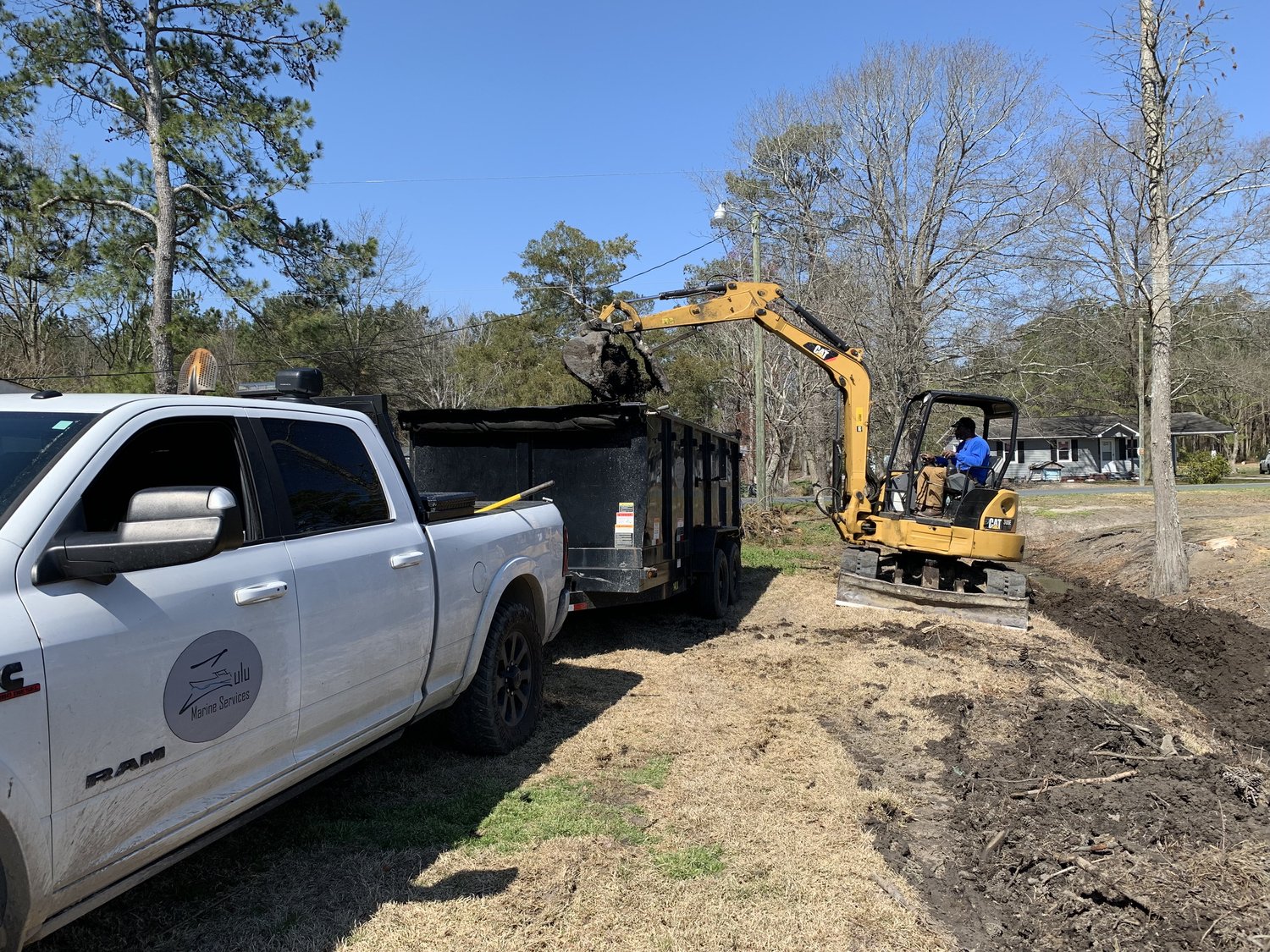
- Removing debris that poses a threat to life or property
- Restoring damaged infrastructure such as roads and bridges
- Protecting watersheds from erosion and sedimentation
How Does the EWP Program Work?
When a natural disaster strikes an area, local sponsors can request assistance through their NRCS state office. Upon receiving a request, NRCS experts assess the situation and develop an emergency recovery plan tailored to address immediate threats. The program covers up to 75% of the costs associated with implementing recovery measures, with the remaining 25% typically covered by the sponsor.
Success Stories of EWP Projects
Over the years, the EWP Program has been instrumental in protecting communities from further harm after natural disasters. From stabilizing riverbanks to repairing critical infrastructure, EWP projects have made a significant impact on enhancing community resilience and safeguarding valuable resources.
In Conclusion
The Emergency Watershed Protection Program serves as a lifeline for communities facing environmental emergencies. By providing timely assistance and expertise in emergency recovery efforts, the program plays a crucial role in mitigating risks and ensuring the long-term sustainability of watersheds across the country.
Understanding the Emergency Watershed Protection Act: Frequently Asked Questions
What is the Emergency Watershed Protection Act?
The Emergency Watershed Protection Act is a crucial piece of legislation that authorizes the Emergency Watershed Protection Program (EWP), aimed at providing assistance to communities affected by natural disasters. Enacted to address imminent hazards to life and property caused by events such as floods, fires, and droughts, the Act empowers the Natural Resources Conservation Service (NRCS) to coordinate emergency recovery efforts and implement measures to mitigate risks in watersheds. Through the EWP Program, eligible sponsors can access financial and technical support to stabilize eroded areas, remove debris, restore infrastructure, and safeguard watersheds from erosion and sedimentation. The Emergency Watershed Protection Act stands as a cornerstone in bolstering community resilience and protecting vital resources in times of crisis.