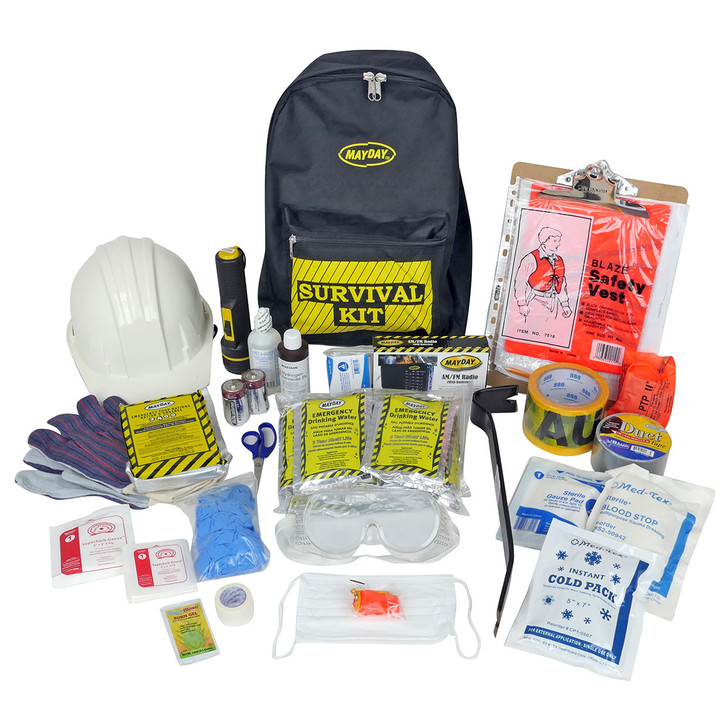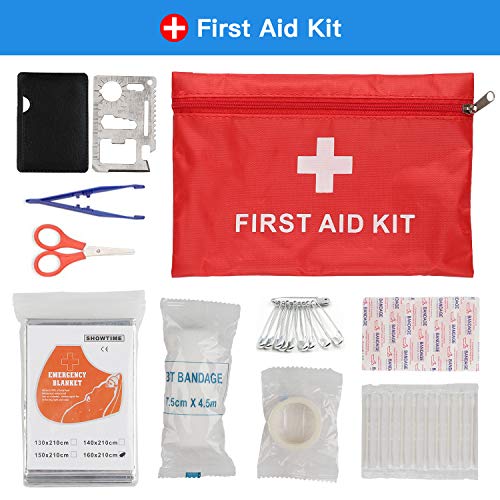
The Best Trauma First Aid Kit: Essential Supplies for Emergency Situations
When it comes to handling traumatic injuries in emergency situations, having the right first aid kit can make all the difference. A well-equipped trauma first aid kit is essential for providing immediate care and potentially saving lives. Here are some key supplies that should be included in the best trauma first aid kit:
Hemostatic Agents
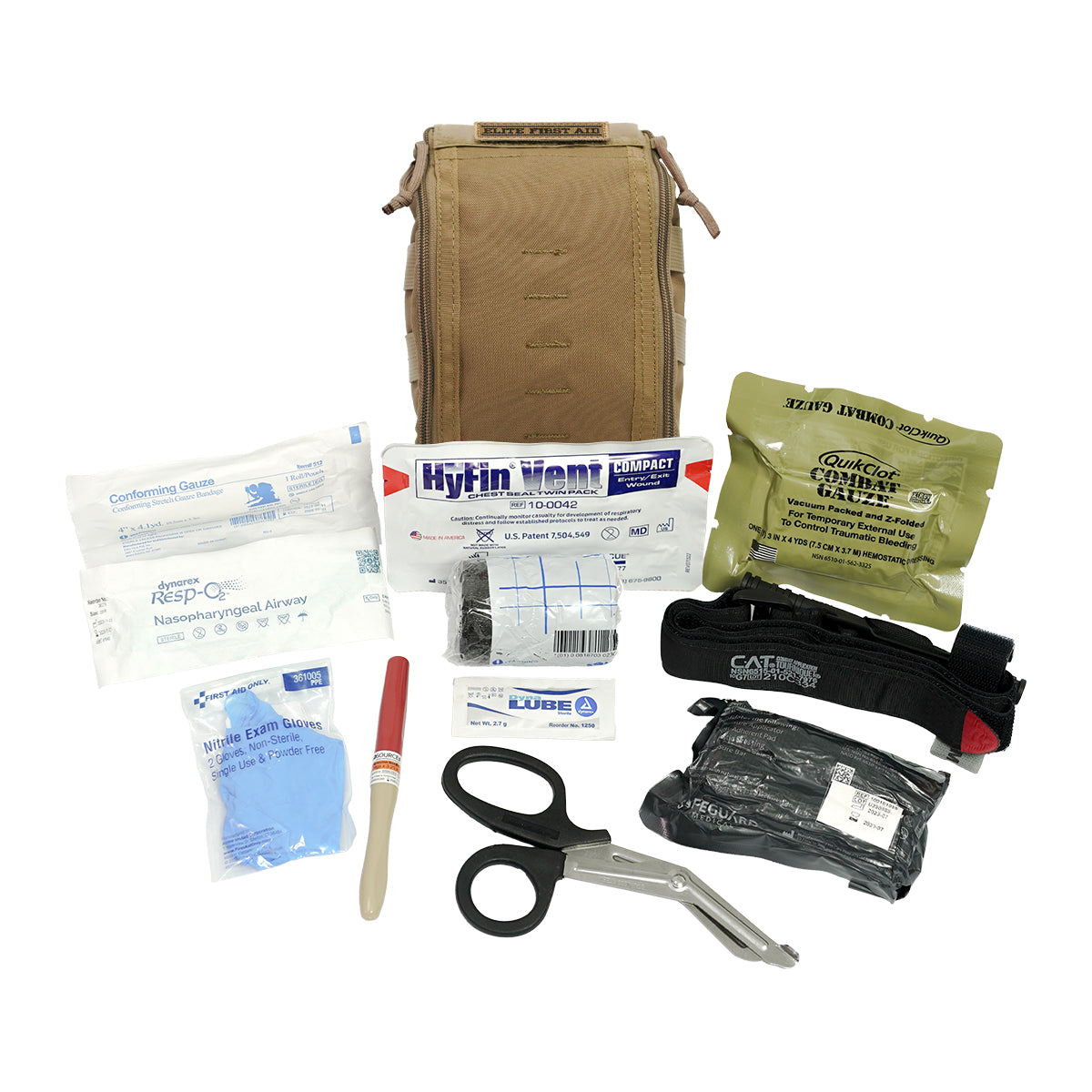
Hemostatic agents are crucial for controlling severe bleeding quickly. These agents help promote blood clotting and are effective in managing wounds that are actively bleeding.
Tourniquet
A tourniquet is a vital tool for stopping severe bleeding from limb injuries. When applied correctly, a tourniquet can help prevent excessive blood loss and stabilize the patient until further medical help arrives.
Chest Seals
Chest seals are essential for treating open chest wounds, such as those caused by gunshot or stab wounds. These seals help prevent air from entering the chest cavity and causing further complications.
Israeli Bandage
An Israeli bandage is a versatile dressing that can be used to apply pressure to wounds and control bleeding effectively. Its compact size makes it a convenient addition to any trauma first aid kit.
Medical Shears
Sharp medical shears are indispensable for quickly cutting through clothing and bandages to access and treat injuries efficiently. They allow responders to provide care without causing additional harm to the patient.
Gloves and Face Shield
Personal protective equipment, such as gloves and a face shield, is essential for preventing cross-contamination during first aid procedures. These items protect both the responder and the patient from potential infections.
Having a well-prepared trauma first aid kit with these essential supplies can significantly improve your ability to respond effectively in emergency situations. Remember to regularly check and replenish your kit to ensure that all items are up-to-date and ready for use when needed.
Top 5 FAQs About Choosing and Using the Best Trauma First Aid Kit
- What essential supplies should be included in a trauma first aid kit?
- How can a trauma first aid kit help in emergency situations?
- Are there specific brands or types of trauma first aid kits that are recommended?
- What training is required to effectively use a trauma first aid kit?
- How often should a trauma first aid kit be checked and restocked?
What essential supplies should be included in a trauma first aid kit?
When assembling a trauma first aid kit, it is crucial to include essential supplies that can effectively address severe injuries in emergency situations. Key items that should be included in a trauma first aid kit are hemostatic agents to control bleeding, tourniquets for managing severe limb injuries, chest seals for open chest wounds, Israeli bandages for wound dressing and bleeding control, medical shears for quick access to injuries, and personal protective equipment like gloves and face shields to prevent cross-contamination. These supplies are vital for providing immediate care and stabilizing patients until further medical assistance is available. By ensuring that a trauma first aid kit is well-equipped with these essential items, individuals can be better prepared to respond to traumatic injuries effectively.
How can a trauma first aid kit help in emergency situations?
A trauma first aid kit plays a critical role in emergency situations by providing essential supplies to address traumatic injuries promptly and effectively. In times of crisis, such as accidents, natural disasters, or violent incidents, a well-equipped trauma first aid kit can help responders stabilize patients, control severe bleeding, and prevent further complications. With items like hemostatic agents, tourniquets, chest seals, and medical shears readily available in the kit, individuals can administer immediate care to those in need before professional medical help arrives. By having a trauma first aid kit on hand and knowing how to use its contents properly, individuals can make a significant difference in saving lives and minimizing the impact of traumatic events.
Are there specific brands or types of trauma first aid kits that are recommended?
When it comes to choosing the best trauma first aid kit, there are several reputable brands and types that are often recommended by medical professionals and emergency responders. Brands like North American Rescue, MyMedic, and Lightning X Products are known for producing high-quality trauma first aid kits with a range of essential supplies for managing traumatic injuries. It is important to look for kits that include hemostatic agents, tourniquets, chest seals, Israeli bandages, medical shears, and personal protective equipment. Ultimately, the best trauma first aid kit will depend on your specific needs and level of training, so it’s essential to research different brands and types to find one that suits your requirements for emergency preparedness.
What training is required to effectively use a trauma first aid kit?
To effectively use a trauma first aid kit, proper training is essential. Individuals who may need to administer first aid in traumatic situations should undergo training in basic first aid and CPR. Additionally, specialized training in trauma care, such as Stop the Bleed courses, can be beneficial in learning how to manage severe bleeding and other critical injuries effectively. Understanding how to assess and prioritize injuries, apply pressure dressings, use tourniquets, and perform other life-saving techniques is crucial for utilizing a trauma first aid kit efficiently. Regular practice and refresher courses can help maintain proficiency and readiness in handling emergency situations with confidence and skill.
How often should a trauma first aid kit be checked and restocked?
Regular maintenance of a trauma first aid kit is essential to ensure that it remains fully functional and ready for use in emergency situations. It is recommended to check and restock the contents of a trauma first aid kit at least every six months. During these routine checks, inspect the supplies for expiration dates, damage, or any missing items. Replace any expired or damaged items and replenish supplies that have been used. By maintaining a regular schedule of checking and restocking your trauma first aid kit, you can be confident that it will be prepared to provide effective care when needed most.