The Importance of Having an Emergency Kit
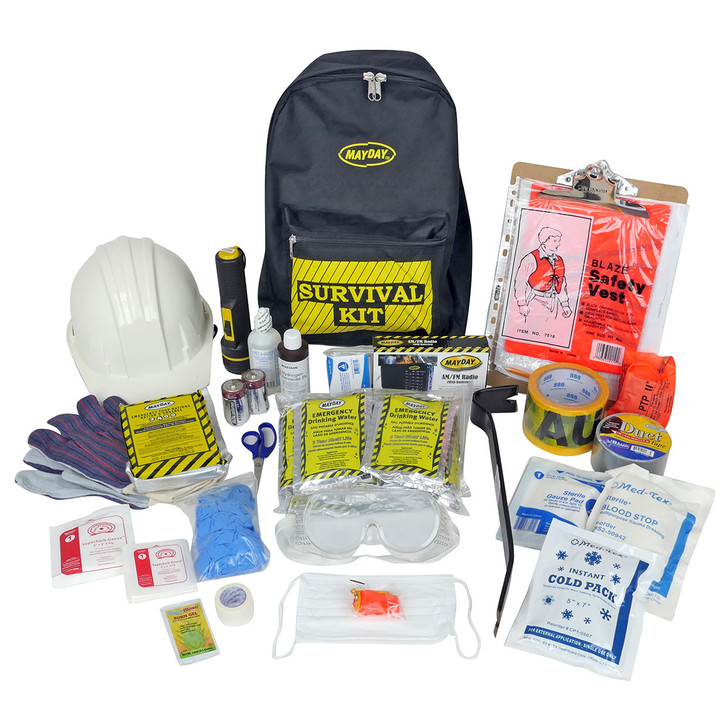
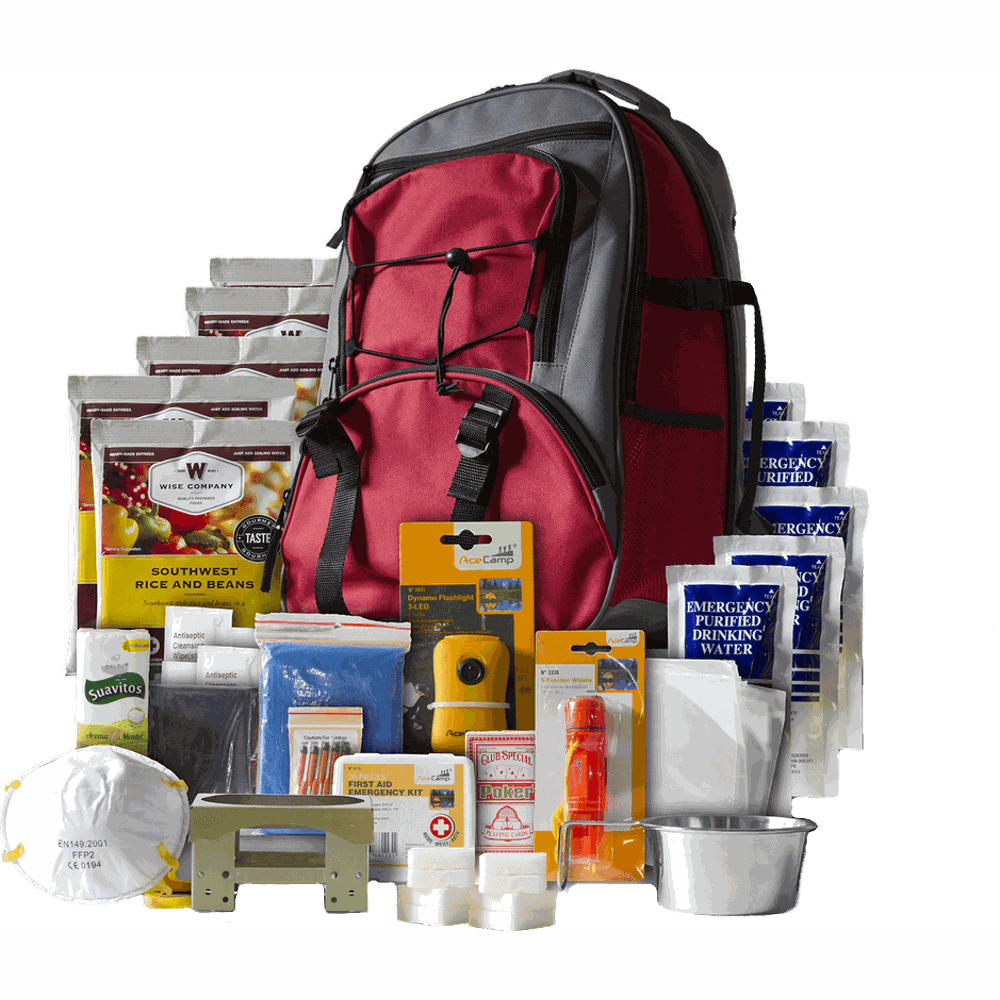
In times of crisis or natural disasters, having an emergency kit prepared can make a significant difference in your safety and well-being. An emergency kit is a collection of essential items that can sustain you and your family during emergencies when regular services may be disrupted.
Key Items to Include in Your Emergency Kit:
- Water: Ensure an adequate supply of water for each person for at least three days.
- Non-perishable Food: Pack canned goods, energy bars, and other non-perishable food items.
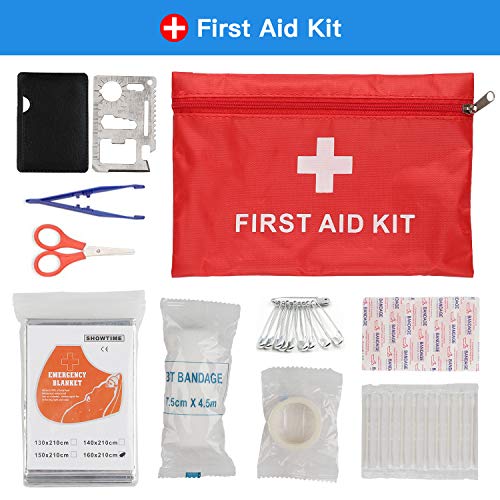
- First Aid Supplies: Include bandages, antiseptic wipes, medications, and any necessary prescription drugs.
- Flashlight and Batteries: Have a reliable light source in case of power outages.
- Blankets: Keep warm blankets or sleeping bags to maintain body temperature.
- Personal Hygiene Items: Include toiletries, hand sanitizer, and personal hygiene products.
- Cash: Have some cash on hand as ATMs may not be accessible during emergencies.
- Important Documents: Store copies of identification documents, insurance policies, and emergency contact information in a waterproof container.
Tips for Maintaining Your Emergency Kit:
Regularly check your emergency kit to ensure that all items are up-to-date and in good condition. Rotate food supplies to prevent spoilage and replace expired medications. Keep your kit in a designated place that is easily accessible to all family members in case of evacuation.
Conclusion
Having an emergency kit prepared can provide peace of mind knowing that you are equipped to handle unexpected situations. Take the time to assemble and maintain your emergency kit to safeguard yourself and your loved ones during times of crisis.
Essential Tips for Assembling a Comprehensive Emergency Kit
- Include non-perishable food and water for at least 3 days
- Pack a flashlight with extra batteries
- Add a first aid kit with essential supplies
- Include personal hygiene items like wet wipes and hand sanitizer
- Pack important documents in a waterproof container
- Include cash in small denominations
- Don’t forget to include any necessary medications
Include non-perishable food and water for at least 3 days
It is crucial to include non-perishable food and an ample supply of water for at least three days in your emergency kit. During times of crisis or natural disasters, access to fresh food and clean water may be limited. Non-perishable food items such as canned goods and energy bars can provide essential nutrition, while having an adequate supply of water ensures hydration and sustenance until regular services are restored. This preparation can make a significant difference in your ability to withstand emergencies and ensure the well-being of yourself and your family.
Pack a flashlight with extra batteries
Including a flashlight with extra batteries in your emergency kit is crucial for ensuring you have a reliable source of light during power outages or emergencies. A flashlight can provide illumination in dark or low-light conditions, helping you navigate your surroundings and locate essential items. By packing extra batteries, you can extend the lifespan of your flashlight and ensure it remains functional when needed most. This simple yet important tip can greatly enhance your preparedness and safety during unforeseen circumstances.
Add a first aid kit with essential supplies
Including a first aid kit with essential supplies in your emergency kit is crucial for ensuring prompt and effective medical care during emergencies. A well-equipped first aid kit should contain bandages, antiseptic wipes, medications, and any necessary prescription drugs to address injuries or health concerns that may arise. Having these supplies readily available can make a significant difference in providing immediate assistance until professional medical help is accessible. Remember to regularly check and replenish the contents of your first aid kit to maintain its effectiveness in times of need.
Include personal hygiene items like wet wipes and hand sanitizer
Including personal hygiene items like wet wipes and hand sanitizer in your emergency kit is essential for maintaining cleanliness and preventing the spread of germs during emergencies. Wet wipes can be used for quick cleaning and sanitizing, while hand sanitizer provides an effective way to disinfect hands when soap and water are not readily available. By including these items in your emergency kit, you can ensure proper hygiene practices even in challenging situations, promoting the health and well-being of yourself and your family members.
Pack important documents in a waterproof container
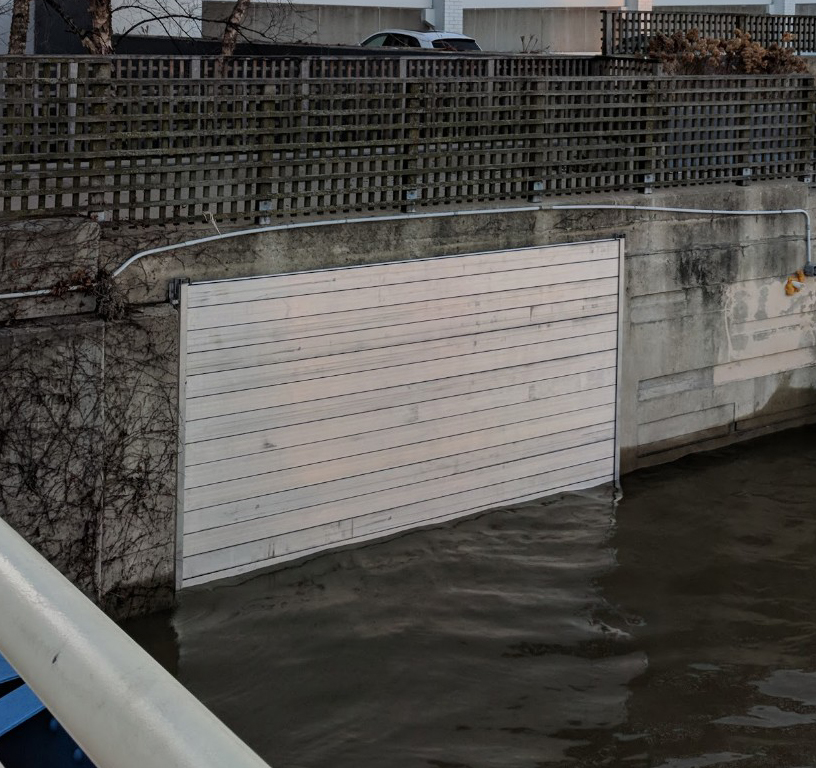
It is crucial to pack important documents in a waterproof container as part of your emergency kit. By safeguarding documents such as identification papers, insurance policies, and emergency contact information in a waterproof container, you ensure that these critical items remain protected and accessible during emergencies. In the event of a flood or other water-related disaster, having these documents safely stored can help expedite recovery efforts and provide essential information when needed most.
Include cash in small denominations
Including cash in small denominations in your emergency kit is a crucial tip to remember. In situations where electronic transactions may be unavailable due to power outages or other disruptions, having cash on hand can be invaluable for purchasing essential supplies or services. Small denominations are recommended to ensure that you can make exact change and avoid potential issues with larger bills. By including cash in your emergency kit, you can enhance your preparedness for unforeseen circumstances and ensure that you have a versatile form of currency readily available when needed.
Don’t forget to include any necessary medications
When preparing your emergency kit, it is crucial not to overlook the inclusion of any necessary medications. Whether it’s daily prescriptions or essential medical supplies, having an ample supply of medications in your emergency kit can be a lifesaver during a crisis. Make sure to regularly check the expiration dates and replenish any medications that are running low to ensure that you are adequately prepared for any unforeseen emergencies.