The Fascinating World of Meteorology
Meteorology is a captivating field of science that delves into the study of the Earth’s atmosphere and its various phenomena. From predicting weather patterns to understanding climate change, meteorologists play a crucial role in helping us make sense of the complex interactions that shape our planet’s weather systems.
One of the key tools used by meteorologists is weather forecasting. By analyzing data collected from satellites, radar systems, weather stations, and other sources, meteorologists can create models that predict how the atmosphere will behave in the near future. These forecasts are essential for planning daily activities, agricultural practices, aviation routes, and emergency responses.
Meteorology also plays a vital role in understanding climate change. By studying long-term trends in temperature, precipitation, and other factors, scientists can assess how human activities are impacting the Earth’s climate. This knowledge is crucial for developing strategies to mitigate the effects of climate change and adapt to a changing environment.
Another fascinating aspect of meteorology is severe weather prediction. Meteorologists use advanced technology to monitor conditions that can lead to extreme events such as hurricanes, tornadoes, blizzards, and heatwaves. By issuing warnings and alerts based on their observations and analyses, meteorologists help save lives and protect property during dangerous weather events.
Overall, meteorology is a dynamic and constantly evolving field that offers valuable insights into our planet’s atmosphere. Whether it’s tracking storms, studying climate patterns, or improving weather forecasting techniques, meteorologists continue to push the boundaries of scientific knowledge to better understand and predict the ever-changing world around us.
5 Essential Meteorological Tips for Staying Prepared and Informed
- Always check the weather forecast before planning any outdoor activities.
- Learn to recognize different types of clouds as they can indicate changes in the weather.
- Keep an emergency kit with essentials like water, food, and a flashlight in case of severe weather.
- Stay informed about weather alerts and warnings issued by meteorological agencies.
- Understand the difference between weather watches and warnings to know how to respond appropriately.
Always check the weather forecast before planning any outdoor activities.
It is essential to always check the weather forecast before planning any outdoor activities. By staying informed about upcoming weather conditions, you can ensure the safety and success of your outdoor plans. Being aware of potential rain, thunderstorms, or extreme temperatures allows you to make necessary adjustments and be better prepared for any changes in the weather. Planning ahead based on meteorological predictions can help you have a more enjoyable and stress-free outdoor experience.
Learn to recognize different types of clouds as they can indicate changes in the weather.
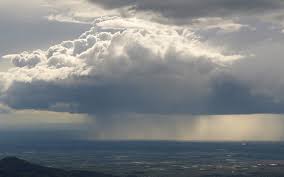
Learning to recognize different types of clouds is a valuable skill in meteorology as it can provide important clues about impending weather changes. Clouds come in various shapes and formations, each with its own characteristics that can signal shifts in atmospheric conditions. For example, dark and towering cumulonimbus clouds often indicate thunderstorms, while high-altitude cirrus clouds may suggest fair weather followed by a change. By understanding the significance of cloud types, individuals can better anticipate weather patterns and make informed decisions based on these observations.
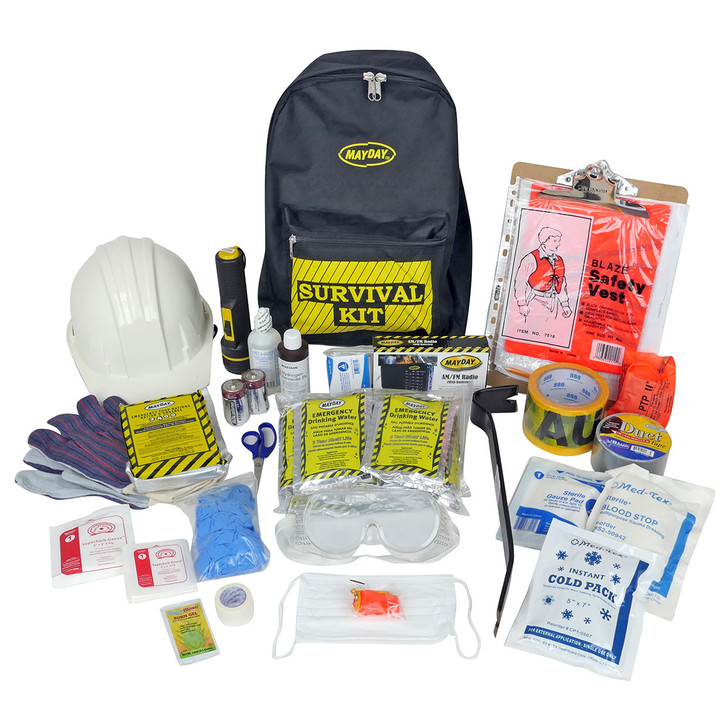
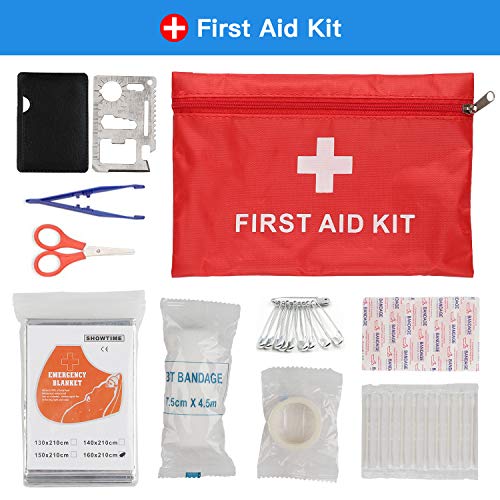
Keep an emergency kit with essentials like water, food, and a flashlight in case of severe weather.
It is essential to be prepared for severe weather by keeping an emergency kit stocked with essentials such as water, non-perishable food items, and a flashlight. Having these supplies readily available can make a significant difference in ensuring your safety and well-being during emergencies like storms or natural disasters. By proactively assembling an emergency kit, you can be better equipped to handle unexpected situations and stay resilient in the face of adverse meteorological conditions.
Stay informed about weather alerts and warnings issued by meteorological agencies.
It is essential to stay informed about weather alerts and warnings issued by meteorological agencies. By keeping up-to-date with the latest information provided by meteorologists, individuals can take proactive measures to protect themselves and their property during severe weather events. Being aware of potential hazards such as storms, floods, or extreme temperatures allows people to make informed decisions and stay safe in challenging weather conditions. It is recommended to follow official meteorological updates closely and heed any warnings or advisories issued to ensure personal safety and preparedness.
Understand the difference between weather watches and warnings to know how to respond appropriately.
Understanding the difference between weather watches and warnings is crucial for responding appropriately to potential weather hazards. Weather watches are issued when conditions are favorable for a particular type of severe weather, such as thunderstorms or tornadoes, to develop in a specific area. On the other hand, weather warnings are issued when severe weather is imminent or already occurring, requiring immediate action to stay safe. By being aware of the distinction between watches and warnings, individuals can take proactive measures to prepare for severe weather events and ensure their safety and well-being.