The Importance of Effective Emergency Response Management
Emergency response management plays a crucial role in ensuring the safety and well-being of individuals and communities during times of crisis. Whether facing natural disasters, accidents, or other emergencies, having a well-organized and efficient response plan can make a significant difference in mitigating risks and minimizing the impact of the situation.
Key Elements of Emergency Response Management
Effective emergency response management involves several key elements that are essential for a coordinated and timely response:
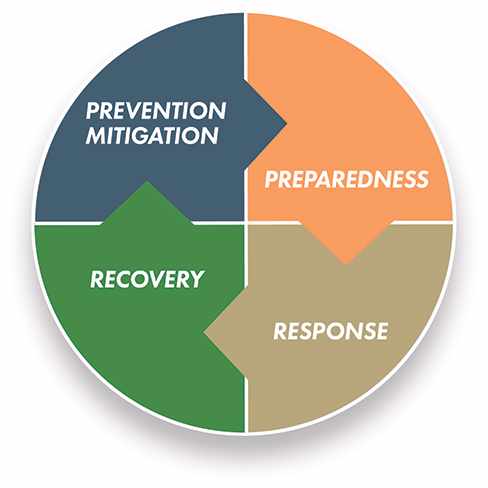
- Preparedness: This includes developing emergency plans, conducting drills and training exercises, and ensuring that resources and personnel are ready to respond when needed.
- Communication: Clear communication channels are vital during emergencies to disseminate information, coordinate actions, and provide updates to all stakeholders involved in the response effort.
- Coordination: Collaborating with various agencies, organizations, and individuals is crucial for a unified response. Coordination ensures that resources are allocated effectively and that efforts are streamlined to address the emergency efficiently.
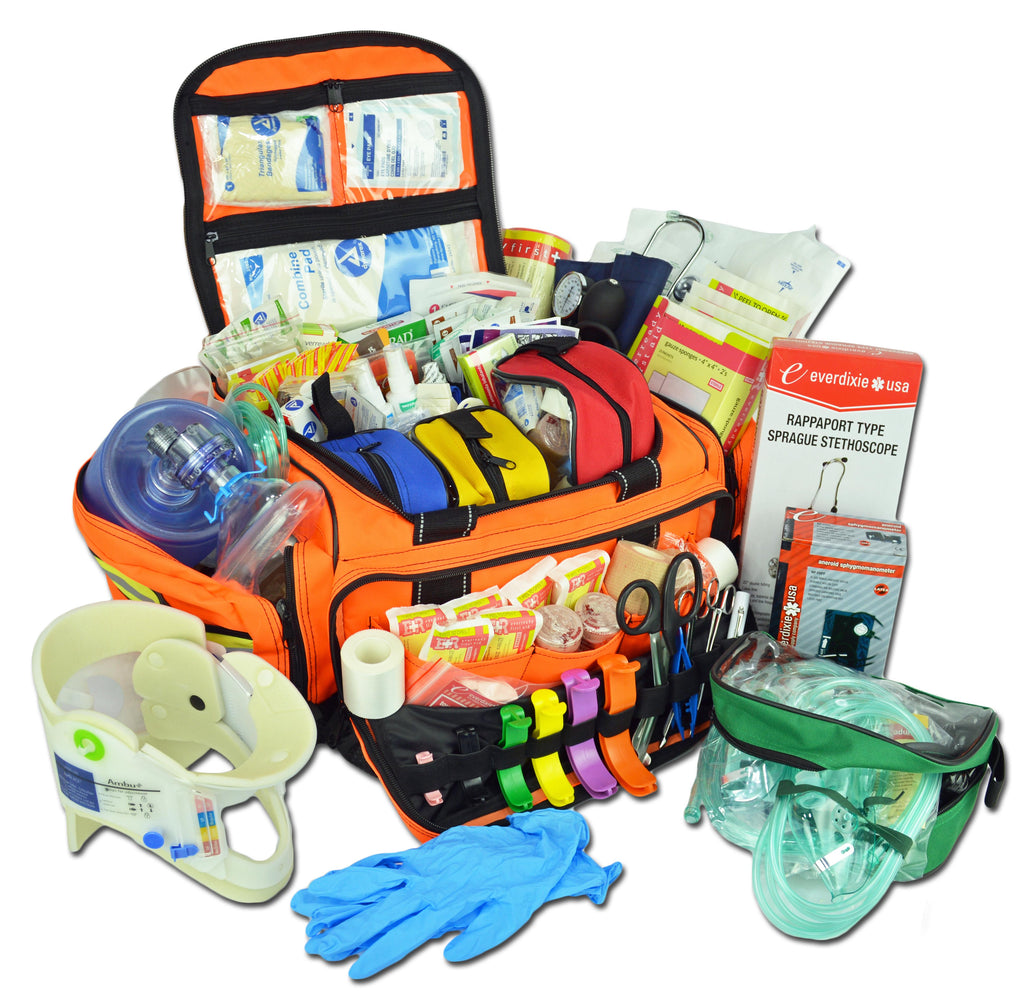
- Response Actions: Implementing appropriate response actions based on the nature of the emergency is critical. This may include evacuation procedures, medical assistance, search and rescue operations, or other necessary interventions.
- Assessment and Adaptation: Continuously assessing the situation, evaluating response efforts, and adapting strategies as needed are essential components of effective emergency management. Flexibility and quick decision-making can help address evolving challenges during an emergency.
The Role of Technology in Emergency Response
In today’s digital age, technology plays a significant role in enhancing emergency response management. Tools such as geographic information systems (GIS), social media monitoring platforms, mobile applications for communication and resource tracking, as well as data analytics solutions can provide valuable support in coordinating responses, gathering real-time information, and improving decision-making processes.
Conclusion
In conclusion, effective emergency response management is critical for safeguarding lives, property, and infrastructure during emergencies. By prioritizing preparedness, communication, coordination, timely actions, assessment, adaptation strategies—and leveraging technological advancements—communities can better respond to crises and minimize their impact. Investing in robust emergency response systems is an investment in the safety and resilience of individuals and society as a whole.
Key Benefits of Effective Emergency Response Management
- Rapid and coordinated response to emergencies
- Effective communication among stakeholders
- Enhanced preparedness for various crisis scenarios
- Optimal allocation of resources and personnel
- Timely implementation of critical response actions
- Continuous assessment and improvement of response strategies
Top 5 Challenges Facing Emergency Response Management
Rapid and coordinated response to emergencies
One key advantage of effective emergency response management is the ability to provide a rapid and coordinated response to emergencies. When all stakeholders are well-prepared and equipped with clear protocols and communication channels, they can act swiftly and in a synchronized manner to address the situation at hand. This timely response helps minimize potential risks, save lives, and mitigate the impact of the emergency on individuals and communities. By working together seamlessly and efficiently, emergency responders can effectively manage crises and provide essential support when it is needed most.
Effective communication among stakeholders
Effective communication among stakeholders is a crucial pro of emergency response management. Clear and timely communication ensures that all parties involved in the response effort are well-informed, coordinated, and able to make informed decisions. By sharing critical information, updates, and instructions efficiently, stakeholders can collaborate more effectively, streamline their actions, and address the emergency with a unified approach. Strong communication channels enhance situational awareness, facilitate resource allocation, and promote a cohesive response that maximizes the effectiveness of emergency management efforts.
Enhanced preparedness for various crisis scenarios
Enhanced preparedness for various crisis scenarios is a significant pro of emergency response management. By developing comprehensive emergency plans, conducting training exercises, and ensuring that resources and personnel are ready to respond effectively, organizations and communities can better anticipate and address a wide range of potential emergencies. This proactive approach not only improves response times but also enhances coordination among stakeholders, ultimately increasing the overall resilience and ability to mitigate risks in diverse crisis situations.
Optimal allocation of resources and personnel
One significant advantage of effective emergency response management is the optimal allocation of resources and personnel. By having a well-organized response plan in place, resources such as equipment, supplies, and personnel can be strategically deployed to areas where they are most needed during an emergency. This ensures that critical support is provided promptly and efficiently, maximizing the effectiveness of response efforts and ultimately improving outcomes for those affected by the crisis. Proper resource allocation also helps prevent duplication of efforts and minimizes wastage, making the overall response process more cost-effective and sustainable in the long run.
Timely implementation of critical response actions
Timely implementation of critical response actions is a key pro of effective emergency response management. When response actions are executed promptly and efficiently, lives can be saved, injuries minimized, and damages reduced. By swiftly deploying necessary interventions such as evacuation procedures, medical assistance, or search and rescue operations, emergency responders can address the immediate needs of those affected by the crisis. Timely action also helps prevent the escalation of the emergency and allows for a more coordinated and effective response effort overall.
Continuous assessment and improvement of response strategies
Continuous assessment and improvement of response strategies is a crucial pro of emergency response management. By regularly evaluating the effectiveness of existing plans and procedures, emergency responders can identify areas for enhancement, adapt to evolving threats, and incorporate lessons learned from past incidents. This ongoing process of assessment allows for greater preparedness, increased efficiency in resource allocation, and the ability to respond more effectively to a wide range of emergencies. Ultimately, by prioritizing continuous improvement, emergency response teams can better protect lives, minimize damage, and enhance overall resilience in the face of crises.
Resource Limitations
Resource Limitations pose a significant con in emergency response management, as the availability of adequate funding, personnel, and equipment can directly impact the effectiveness of response efforts during crises. Insufficient resources may hinder the ability to deploy necessary personnel to the affected areas, acquire essential equipment for rescue operations, or sustain ongoing support for those impacted by emergencies. Without adequate resources, response teams may struggle to meet the demands of a crisis situation, potentially leading to delays in critical interventions and compromising overall response outcomes. Addressing resource limitations is crucial for enhancing the resilience and efficiency of emergency response management systems.
Coordination Issues
Coordination issues present a significant challenge in emergency response management, as aligning efforts among various agencies and organizations can be intricate and prone to delays or miscommunications. When multiple entities are involved in a response effort, differing protocols, priorities, and communication styles can hinder the coordination process. This lack of seamless collaboration may result in inefficiencies, conflicting actions, or gaps in the overall response strategy, potentially impacting the timeliness and effectiveness of the emergency response. Addressing coordination issues through improved communication channels, standardized protocols, and regular training exercises is essential to enhance the overall coordination and efficiency of emergency response efforts.
Lack of Training
One significant drawback of emergency response management is the lack of training for personnel involved in responding to emergencies. Inadequate training can impede the effectiveness of the overall management process by limiting the ability of responders to act swiftly and decisively during critical situations. Without proper training, personnel may struggle to follow established protocols, make informed decisions, or coordinate effectively with other response teams. This deficiency in training not only jeopardizes the safety of those involved but also undermines the efficiency and coordination necessary for a successful emergency response effort. Addressing this con by prioritizing comprehensive and ongoing training programs can greatly enhance the preparedness and capabilities of emergency responders, ultimately improving outcomes in times of crisis.
Communication Breakdowns
Communication breakdowns present a significant con in emergency response management, as they can hinder the flow of crucial information and coordination among response teams. When communication fails or experiences disruptions, delays in sharing critical updates, coordinating response efforts, and making informed decisions can occur. This breakdown in communication can lead to confusion, inefficiencies, and potentially compromised outcomes during emergency situations. Addressing and mitigating communication challenges is essential to ensure a more effective and coordinated response to emergencies.
Response Fatigue
Response fatigue is a significant con of emergency response management, as it can severely impact the effectiveness of responders during prolonged crises or when faced with multiple emergencies. Responding to high-stress situations continuously can lead to physical, mental, and emotional exhaustion, diminishing the capacity of responders to maintain optimal performance levels. This fatigue not only affects the well-being of individual responders but also compromises the overall coordination and efficiency of emergency response efforts, highlighting the importance of implementing measures to address and mitigate responder fatigue in emergency management strategies.